
You are using an out of date browser. It may not display this or other websites correctly.
You should upgrade or use an alternative browser.
You should upgrade or use an alternative browser.
Glow worms
- Thread starter hammo
- Start date



Smellydog
Well-Known Member
How bloody big were they?Got a couple of pics but not loading, probably file too big.


J.kerslake
Well-Known Member
I saw loads last year on the farm, took a while to work out what they were/what was going on!! First time I had ever seen one!
I've seen one this year so far. Very few and far between. Too much light pollution for them I'm afraid.
I'm sure others of the older persuasion did what we used to do. Collect a lot of glowworms in a jam jar and they would light your bedroom. That was probably eighty years ago!
I'm sure others of the older persuasion did what we used to do. Collect a lot of glowworms in a jam jar and they would light your bedroom. That was probably eighty years ago!


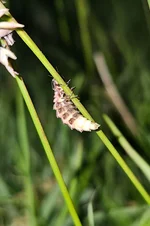

John Gryphon
Well-Known Member
I saw them whilst by the camp fire on the confluence of the Karangarua and Copeland Rivers in NZ.
Neat if one hasn't seen before.
Neat if one hasn't seen before.

kenbro
Well-Known Member
Me neitherNever seen one


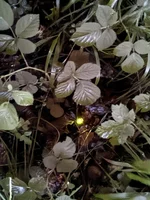
Looked for a little more info.
Eggs are laid in sheltered damp areas. Most of the life cycle is the larval stage, where they eat mostly snails and small insects, they can secrete strands of sticky threads which glow at the ends; to traps insect prey.
After moulting a few times as they grow; its onto the cocoon stage to then hatch as an adult. No working mouth parts now, so the clock is ticking to get mating asap.
Late June to early August is the adult 'glow' stage, mostly weather dependant I expect.
Then they perish through starvation, having used up all stored nutrients.
Loss of wild grassland and light pollution are considered the two main drivers for the steady decline in numbers.
Glow-worms have captured the imagination of people throughout history and have become a part of various cultural narratives and folklore. In many societies, they are associated with mystery, magic, and the ethereal beauty of the night. From ancient legends to modern-day literature and art, glow-worms have left an indelible mark on human culture.
Eggs are laid in sheltered damp areas. Most of the life cycle is the larval stage, where they eat mostly snails and small insects, they can secrete strands of sticky threads which glow at the ends; to traps insect prey.
After moulting a few times as they grow; its onto the cocoon stage to then hatch as an adult. No working mouth parts now, so the clock is ticking to get mating asap.
Late June to early August is the adult 'glow' stage, mostly weather dependant I expect.
Then they perish through starvation, having used up all stored nutrients.
Loss of wild grassland and light pollution are considered the two main drivers for the steady decline in numbers.
Glow-worms have captured the imagination of people throughout history and have become a part of various cultural narratives and folklore. In many societies, they are associated with mystery, magic, and the ethereal beauty of the night. From ancient legends to modern-day literature and art, glow-worms have left an indelible mark on human culture.
Similar threads

- Replies
- 5
- Views
- 895


