

Despite their constitution the RSPB carried out a survey of its mebers (randomised about 5,500, included 500 volunteers in it and some 2,500 RSPB staff and concluded that " a minimum of 14 % of respondents were against some form of game shooting".
Here is the info
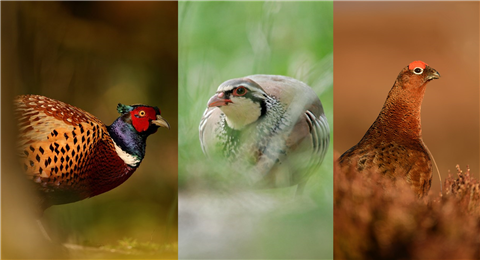
"At the RSPB’s AGM in 2019, our Chair of Council, Kevin Cox, announced that the RSPB was reviewing its policy on the most intensive forms of gamebird shooting especially driven grouse moor management (which involves shooting our native red grouse) and large-scale release of non-native game birds, primarily pheasants and red-legged partridges, now in excess of 57 million birds annually.
We are very keen to provide regular updates on this review and today, I report the results of the first phase which involved a consultation of our members, volunteers, staff and other stakeholders.
It is worth remembering that we are doing the review because there is growing public concern and mounting scientific evidence about the environmental impacts of these types of shooting. Impacts include the ongoing and systematic illegal persecution of birds of prey such as hen harriers; the ecological impact of high numbers of game birds released into the countryside which may increase the density of generalist predators; the mass culling of mountain hares in some parts of our uplands (hopefully now consigned to the history books after last month’s vote in the Scottish Parliament to give mountain hare greater protection); the use of lead ammunition; the impact of burning peatlands and medicating wild animals for shooting.
Results of the consultations
As I reported in May*, through the various consultations we ran we received views from:
The headline findings are as follows:
Thank you"
Perhaps common sense rather than the anarchists have prevailed, despite the attempt to skew the result and abandon their constitution which does not allow them to lobby against shooting.
For info.
Here is the info
"At the RSPB’s AGM in 2019, our Chair of Council, Kevin Cox, announced that the RSPB was reviewing its policy on the most intensive forms of gamebird shooting especially driven grouse moor management (which involves shooting our native red grouse) and large-scale release of non-native game birds, primarily pheasants and red-legged partridges, now in excess of 57 million birds annually.
We are very keen to provide regular updates on this review and today, I report the results of the first phase which involved a consultation of our members, volunteers, staff and other stakeholders.
It is worth remembering that we are doing the review because there is growing public concern and mounting scientific evidence about the environmental impacts of these types of shooting. Impacts include the ongoing and systematic illegal persecution of birds of prey such as hen harriers; the ecological impact of high numbers of game birds released into the countryside which may increase the density of generalist predators; the mass culling of mountain hares in some parts of our uplands (hopefully now consigned to the history books after last month’s vote in the Scottish Parliament to give mountain hare greater protection); the use of lead ammunition; the impact of burning peatlands and medicating wild animals for shooting.
Results of the consultations
As I reported in May*, through the various consultations we ran we received views from:
- a randomised sample of 5,265 RSPB members (full survey responses)
- an additional 663 RSPB members and others (online comments)
- 2,847 RSPB staff and volunteers
- more than 23 organisations or groups with an interest in nature conservation, animal welfare, land management and gamebird shootings
- more than 60 individuals through some confidential conversations
The headline findings are as follows:
- RSPB members, staff and volunteers are broadly aligned in their views, specifically: the majority are knowledgeable about the issues associated with intensive gamebird shooting, the majority support the conservation principles; any opposition to the approach proposed is more likely to come from the shooting (1%) or landowning (5%) part of the membership; a minimum of 14% support some sort of ban on shooting (intensive or otherwise).
- Given the size of the samples, we have high confidence in concluding the views we received provide a good reflection of the whole membership, staff and volunteers
- The views expressed by the other organisations (conservation, animal welfare and shooting groups) and individuals reflected different values, motivations and long held positions. At one end of the spectrum were respondents who valued shooting as an activity with social, environmental and economic benefits. Conversely, at the other end of the spectrum were responses with animal welfare interests who expressed little value of shooting, considering it unnecessary and harmful. Other responses ranged in between, from seeking sustainable shooting and highlighting concerns over environmental impacts of current practices, to supporting a total or partial ban.
- The confidential interviews provided a few additional insights, specifically: the pride in conservation associated with shooting; the observed increased interest in the environmental impacts of the industry, particularly more intensive forms; and dismay at the state of the relationship between the shooting community and the RSPB
- an infographic which summarises the results of the survey of members.
- the summary of the reports on the consultation with stakeholders
- the summary of the report of the confidential interviews with members of the shooting community
Thank you"
Perhaps common sense rather than the anarchists have prevailed, despite the attempt to skew the result and abandon their constitution which does not allow them to lobby against shooting.
For info.


