Evening Telegraph The Courier Combined
About the new combined website Our newspapers Courier subscribers Evening Telegraph subscribers Evening Telegraph website content The Courier and the
 www.eveningtelegraph.co.uk
Is a cull in Tayside needed?
Does anyone know who carried out the deer count as no-one has approached me or anyone I know....
Below is the full article in case anyone is unable to follow the link.
Plans to substantially reduce Scotland’s rocketing deer population have divided conservationists, land managers and animal rights activists.
The next Scottish Government is expected to table new legislation which will give public body NatureScot more powers to cull deer where they are damaging crops or woodland and causing road accidents.
Deer populations are believed to be at their highest ever levels, with red deer numbers having doubled since 1959. Around 100,000 deer are already culled every year.
Conservationists and land management groups have recognised the need for even stronger action on deer numbers.
But there is concern some measures under consideration – such as shortening the season when female deer are protected from hunters – will lead to orphaned calves starving to death in early autumn.
Meanwhile an animal rights group has hit out at “cruel” shooting methods which could lead to “slow, horrifyingly painful deaths.”
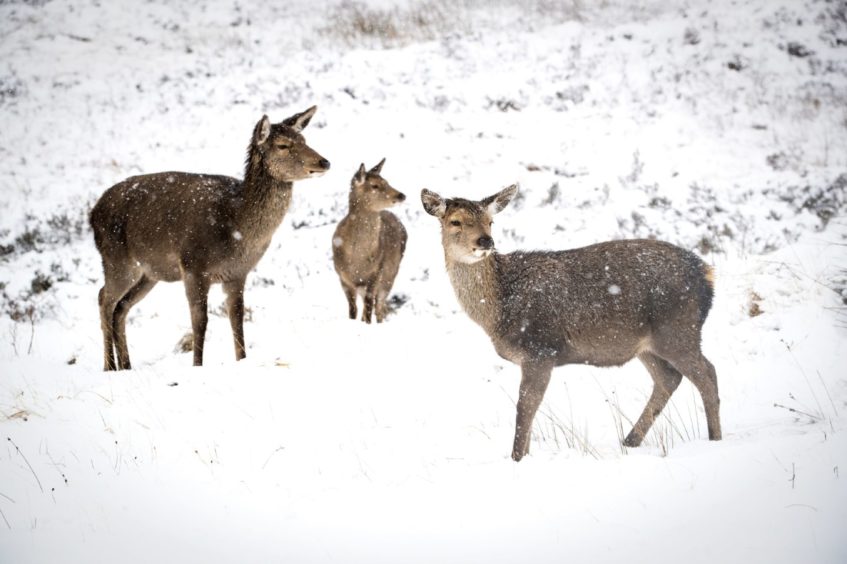
Drive to reduce deer numbers
It is understood some environmental bodies would like to see the country’s deer populations brought down by as much as 50%.Outgoing Scottish Government environment secretary Roseanna Cunningham said reducing numbers was necessary to address climate change and biodiversity loss.
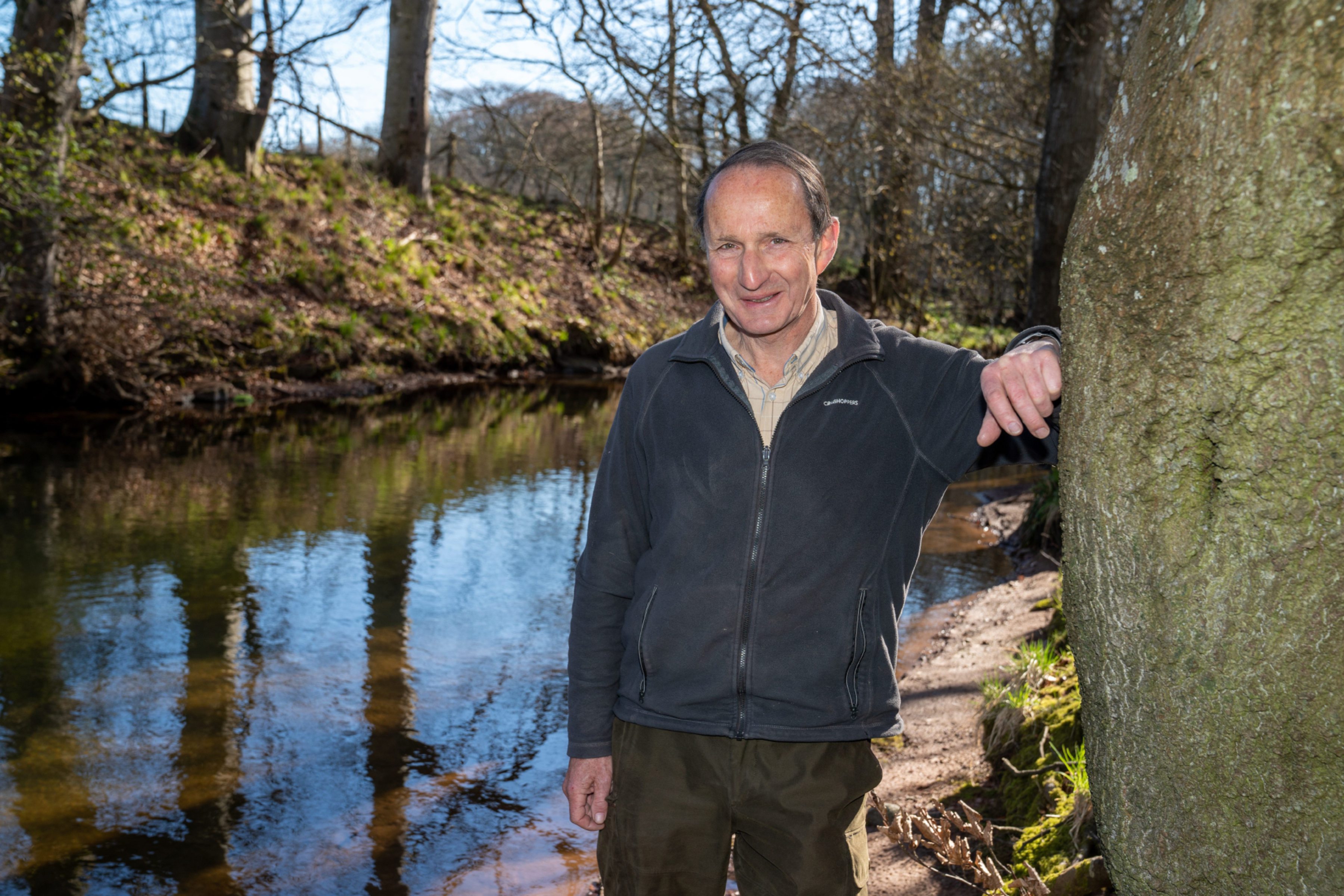
Richard Cooke.
The Deer (Scotland) Act 1996 is set to be overhauled following a review of deer management practices by an independent Deer Working Group appointed by Scottish Ministers.
Richard Cooke, who chairs the Association of Deer Management Groups and was an external advisor to the Deer Working Group, has concerns about the “top down” approach being considered by the government.
“I suspect that we will see a proposal for new legislation in the next few years, and we will have to see what that comprises,” he said.
“But the overall philosophy behind it seems to be to adopt a much more directive and top down approach to deer management by government.
“In other words, telling people what to do rather than relying on a voluntary system, which is very much bottom up and has evolved very successfully, particularly in the last 10 years.
“The great thing about the voluntary approach is that it allows management approaches that suit local circumstances, which are enormously variable.
“A one size fits all approach to deer management is really not appropriate or practical.”
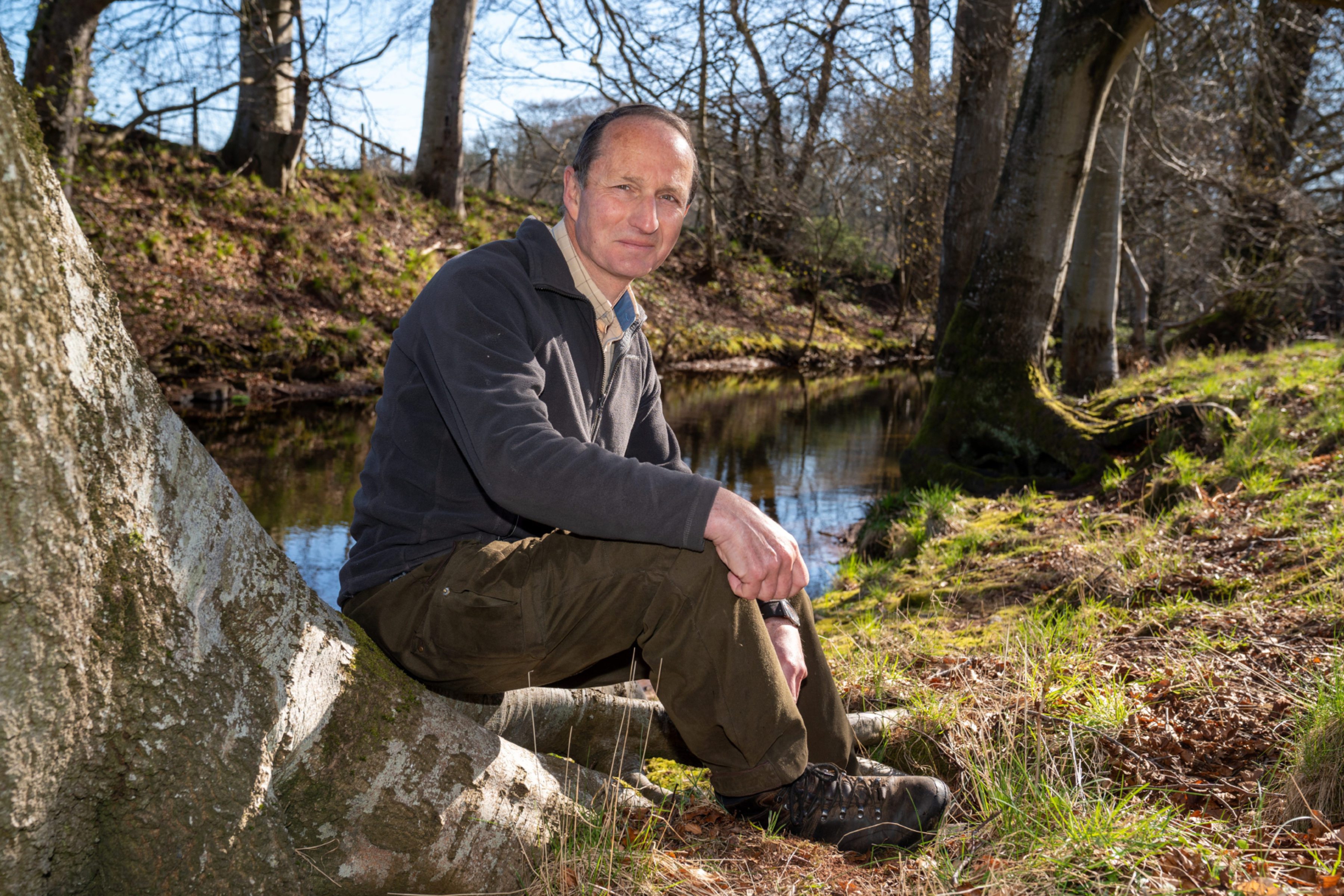
Richard Cooke.
Deer stalking ‘an important aspect of tourism’
He added: “That would have a very significant impact on the economics of the deer stalking industry, which is an important aspect of tourism and provides an awful lot of jobs.“If it didn’t take place and generate the income that pays for those jobs, then we wouldn’t have enough people to do the culling.
“There is a balance to be struck.
“The system, as we’ve got it, means that deer culls are based on individual population models and deer management groups, and NatureScot are fully involved in the discussions about the cull plans that come out of them.”
Red deer numbers have more than doubled
Measuring deer numbers is an inexact science because they are not easy to count.Various studies show widely fluctuating numbers. However, they indicate an overall rise in deer populations.
When the Deer (Scotland) Act 1959 was introduced, the number of red deer in Scotland was estimated at 155,000. By 1990 that figure had doubled and there are now believed to be around 350,000.
Sika deer, which were introduced from East Asia, have expanded in numbers and distribution across Scotland. They have also interbred with red deer to create hybrids.
Mr Cooke said estimated numbers were “pure guesswork”, in particular for roe deer, which are elusive and live in woodland.
Roe deer ‘biggest issue’ for motorists
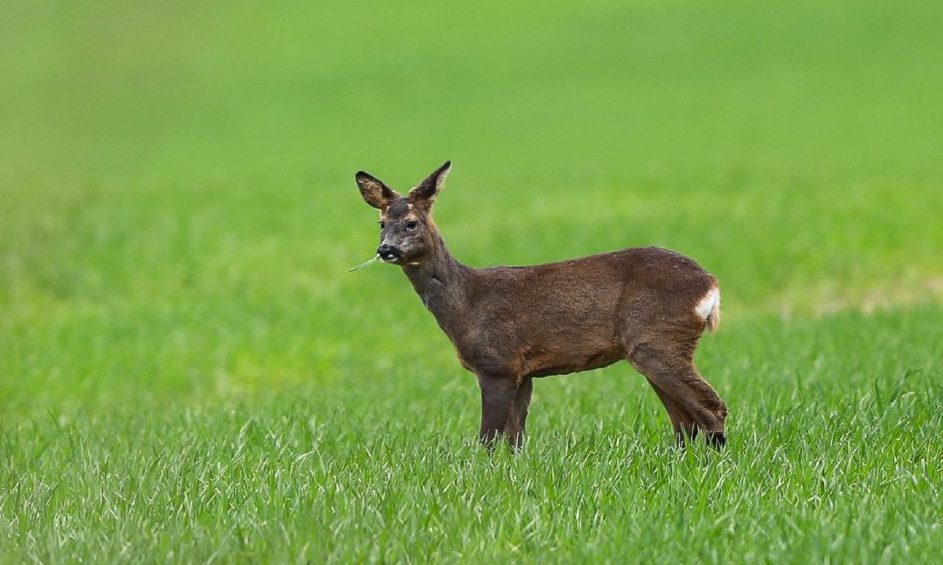
A roe deer feeding on some crops in Fife.
He said: “The informed opinion is that roe deer numbers are creeping up and the reason they’re increasing is the more we expand woodland and natural habitat, the more perfect habitat we create for roe deer.
“They’re the biggest issue in terms of road traffic accidents in urban areas.”
Road accidents involving deer – referred to as deer vehicle collisions (DVCs) – increased between 2008 and 2017.
However, accidents decreased by 16% after the cull peaked in 2017-18, when a record 136,ooo deer were destroyed.
‘Disaster for the fight against climate change’
Despite being a welcome sight for many visitors to the countryside, the animals are voracious herbivores capable of decimating sapling trees.Woodland Trust Scotland spokesman George Anderson said: “Deer are native animals which belong in our landscape, but they are at the highest levels ever known with numbers still rising.
“Their grazing pressure threatens existing forests and hinders the creation of new woodland, and that is a disaster for the fight against climate change and biodiversity loss.
“Woodland Trust Scotland is glad to see the government recognise this. Last year’s independent Deer Working Group report showed a practical way ahead.”
The Woodland Trust welcomed the Scottish Government’s decision to take on board recommendations made by the Deer Working Group, which it said showed a commitment to modernising the Deer (Scotland) Act 1996.
Row over animal welfare
Organisations concerned with animal welfare have disagreed over the recommendations made by the working group.The Scottish Government is likely to scrap the close season for shooting stags and review the close season for female deer in line with the working group’s suggestions.
People for the Ethical Treatment of Animals (PETA) have spoken out against any deer shooting, making the claim that deer are “known to control their own numbers”.
However, the Scottish SCPA said the changes could mean stags in poor condition are euthanised, preventing the animals from suffering.
PETA director Elisa Allen said: “Deer are known to control their own numbers, even reabsorbing a foetus if food supplies are low.These methods are not only ineffective but also cruel.”
PETA director Elisa Allen
“Killing them off only causes their population to rebound as lethal initiatives result in a spike in the food supply, accelerating the breeding of survivors.
“If killing actually reduced animal populations, lethal methods wouldn’t be proposed year after year.
“These methods are not only ineffective but also cruel, as it can be difficult for hunters to get a clear shot and deer often endure slow, horrifyingly painful deaths.”
‘Trimming back low-hanging tree branches’
Ms Allen added: “If deer numbers must be reduced, the key is to leave the deer in peace and target their food sources by trimming back low-hanging tree branches, keeping grasses cut short, and shrouding saplings with corrugated plastic tubes or sleeves, deer netting, or mesh.“Humans owe it to these gentle animals, whose habitat has been taken from them, to use one of the humane, sustainable methods of population control that exist – because we will never achieve ecological harmony through the barrel of a gun.”Humans owe it to these gentle animals.”
Elisa Allen, PETA
Scottish SPCA chief superintendent Mike Flynn said culls should “only take place to protect the public or for animal welfare reasons”.
Use of ‘night sights’ welcomed
However, he welcomed a proposal to use night sights – devices such as thermal imaging cameras to enhance night vision.“We always ask landowners to exhaust every alternative option to deter or exclude deer from their land before taking lethal action,” said Mr Flynn.
“The control methods used should be carried out humanely by a trained professional to ensure the animal does not suffer.
“Although night shooting has always happened under licence, we welcome the move to allow night sights to be used as this should allow a cleaner shot to minimise any suffering caused to the animal.Targeting the removal of stags in poor condition…could improve welfare.”
Mike Flynn, Scottish SPCA
“We are satisfied that these recommendations are based on scientific evidence and that recommendations will not impact negatively on animal welfare.
“Targeting the removal of stags in poor condition, which might not survive the winter, by removing the closed season for males could improve welfare and mimic the action of a natural predator.
“However, this is only provided that any stress associated with stalking and shooting stags at this time of year did not impact on deer or other animals.”
Concerns for deer stalkers
Dr Colin Shedden, director of the British Association for Shooting and Conservation (BASC) Scotland, said there was “much to be welcomed in the Scottish Government’s response to the deer working group report” but highlighted areas of “grave concern.”“We are strongly opposed to the Scottish Government’s view that the close season for female deer should be kept under review, possibly with a view to being shortened in due course.
“We argue that such a move could result in the orphaning of dependent calves and kids, meaning many would die of starvation in the early Autumn.
“We are also concerned about the welfare implications – for both deer stalkers and the deer themselves – of culling heavily pregnant hinds and does in the spring.
“In many situations local deer stalkers would be best placed to manage the deer on their doorstep without having to resort to culling deer at night or when they have dependent offspring.”In many situations local deer stalkers would be best placed to manage the ‘deer on their doorstep.
Dr Colin Shedden, BASC
‘Sizeable challenges’
Robbie Kernahan, NatureScot’s director of sustainable growth, added: “Deer are an iconic species in Scotland, but also an important source of revenue for land managers.“There are sizeable challenges in shifting the rural economy away from its dependence on traditional use of the land towards a nature-rich economy, with greater focus on woodland creation and peatland restoration.
“This will impact many people in rural areas, and it is vital that those who live and work on the land see this as an opportunity to steer, drive and achieve positive change, and they are empowered through vital support such as local deer management groups.”
Last edited:


 .....
.....