‘Wild sheep’ numbers St Kilda

Mick9abf

Well-Known Member

Having read the article the solution is simple and can’t see there’s much to discuss legally as it’s more an animal welfare issue, just get the numbers reduced.

It sounds very similar to the circumstances at the ‘Oostvaardersplassen reserve’ in Holland a few years back which resulted in what the media called a ‘controversial cull’ and animal rights groups etc were throwing feed over the fence in the rewilding project to try and stop said reduction in numbers.
 
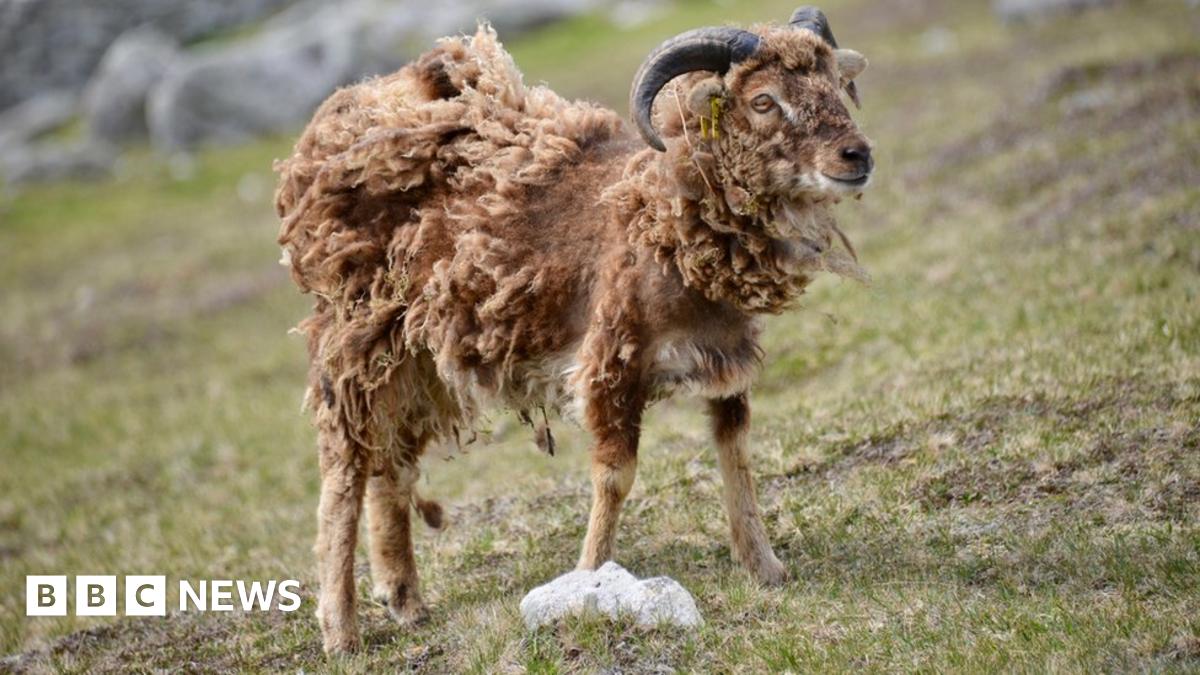
HUD the bus! That beast has double tags on it, which means it had some sort of management with a flock number. 🤔 not really wild then, unless a stock photo of a farmed sheep the bbc have used. I love st kilda sheep breed. Neolithic!
 
It’s also similar to the caribou herd on the Aleutian Islands, where people are encouraged to come over to shoot them. Alaskans seem to be closer to reality though.
 
As an aside, There is an island south of Orkney which has feral cattle, and I think sheep, after farming brothers abandoned it in mid 90s. Group of cattle doing well I’m told.
 
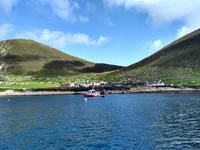
The sheep are wild stock, in that they've been breeding and surviving by themselves since the Island was abandoned in 1930. Today St. Kilda is owned by the National Trust for Scotland so the sheep will be managed. Unfortunately, if the Scottish National Trust is anything like its English counterpart that will include an ideological resistance to any sort of culling.
 
The sheep are wild stock, in that they've been breeding and surviving by themselves since the Island was abandoned in 1930. Today St. Kilda is owned by the National Trust for Scotland so the sheep will be managed. Unfortunately, if the Scottish National Trust is anything like its English counterpart that will include an ideological resistance to any sort of culling.
So not like to shoot a trophy ram there then?
 
Is it not the St Kildale sheep are quite a famous scientific study population.

I can't remember the exact details now as 25+ yes ago and mind pickled with bevy in those days, 😁

But from memory the sheep have 2 different coat types, 1 tends to be sheep with shorter teeth and the other coat type tends sheep with longer teeth.
They have monitored the population and % of each coat type for decades now.
The % are always changing but broadly speaking tended to follow the same patterns.

When populations low the coat type which favours longer teeth would be highest % , as can handle the longer grass better= is fitter.
But as population increases the coat type for shorter teeth would rise as it could handle the shorter grass conditions better so it was fitter/ producing more young.
Then population would crash throu starvation and it all starts again.

If I mind right was uite a classic cyclic population and with the added bonus of the coat type ideticating tooth size.
And has been self regulating for decades,.


But unless something else has changed ie big increase in deer numbers or possibly even big increase in visitor numbers disturbing sheep on the lower better grazing land and pushing them higher up slopes on to poorer grazinI'
But im sure in the past they were self regulating, if u started to cull them it could render decades of scientific population studies void, or atleast going forward


I'm sure mungo on here could explain it properly, as it isa bit vague now.
But I can remember it being quite interesting all those years ago
 
HUD the bus! That beast has double tags on it, which means it had some sort of management with a flock number. 🤔 not really wild then, unless a stock photo of a farmed sheep the bbc have used. I love st kilda sheep breed. Neolithic!
The tags are because they’re part of a long term study.

The animals are completely wild, and there’s no herd management or husbandry. However, the research team catch them as lambs and give them ear tags so they can follow them through life.
 

Having read the article the solution is simple and can’t see there’s much to discuss legally as it’s more an animal welfare issue, just get the numbers reduced.

It sounds very similar to the circumstances at the ‘Oostvaardersplassen reserve’ in Holland a few years back which resulted in what the media called a ‘controversial cull’ and animal rights groups etc were throwing feed over the fence in the rewilding project to try and stop said reduction in numbers.

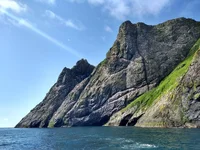
The Soay sheep on St Kilda have been completely unmanaged and effectively ‘wild’ since the islanders left in 1930.

Since then, the population has fluctuated with a relatively predictable pattern, with a series of growth years as numbers increase, followed by a few plateau years as food starts to run out, then a crash, and then it starts again.

Everyone has understood this for decades.

It’s only been very recently that it’s become a political issue, spearheaded by a pair of activist vets living on Uist (the same vets who were pushing to get the deer eradicated on Uist).
 
The sheep are wild stock, in that they've been breeding and surviving by themselves since the Island was abandoned in 1930. Today St. Kilda is owned by the National Trust for Scotland so the sheep will be managed. Unfortunately, if the Scottish National Trust is anything like its English counterpart that will include an ideological resistance to any sort of culling.
There is no management.

Partly because the population is part of a long term study of population dynamics: it’s a natural experiment of what happens in simple plant-herbivore system in the absence of predators. However, as the data has built up, the level of detail provided by a fully genotyped population with generations of data has allowed a lot very sophisticated analyses of how evolution actually occurs in real time.

It’s a globally recognised study, and enormously valuable. Culling them would be an act of severe scientific vandalism akin to taking a hammer to the large hadron collider.
 
Quite normal for them to peak and crash at intervals of a few years. They've always done that. Nothing to get excited about.
HUD the bus! That beast has double tags on it, which means it had some sort of management with a flock number. 🤔 not really wild then, unless a stock photo of a farmed sheep the bbc have used. I love st kilda sheep breed. Neolithic!
Caught as a lamb, and tagged for research purposes. Just like wild deer are sometimes.
 
Mungo I take it this is just a non story then and just wot has happened naturally for years?

Has anything else changed recently to effect populations/grazing?
Ie more deer, less grass for some reason? Bracken for example?
 
Swona (one of two islands in the Pentland Firth between the Orkney Islands and the mainland) is the one with feral cattle. The population hovers around the 17-20 mark and they are self-sufficient. Apparently a vet visits to check them out annually. The island I believe is owned by a couple of farmers from Orkney, although it's not farmed due to access issues. They are (were I suppose really) beef cattle and are, due to their isolation, disease free.

(Some residual knowledge in my bonce supplemented by the Wikipedia entry about Swona).
 
The sheep are wild stock, in that they've been breeding and surviving by themselves since the Island was abandoned in 1930. Today St. Kilda is owned by the National Trust for Scotland so the sheep will be managed. Unfortunately, if the Scottish National Trust is anything like its English counterpart that will include an ideological resistance to any sort of culling.
As a wild flock the solution is to leave them alone. Over time the population will balance themselves out. Might not be pretty but "real"nature rarely is.
 
Interesting thread, my mate used to keep a Kilda Ram in his garden, super impressive animal, Aries could rattle your knees from 3 feet away, when he died they had him stuffed, on castors & used him in the kids nativity play. Thanks.
 
Last edited:
Back
Top