
You are using an out of date browser. It may not display this or other websites correctly.
You should upgrade or use an alternative browser.
You should upgrade or use an alternative browser.
Pine Martins in the South West. Yeh or ney?
- Thread starter Trickyd66
- Start date

I don't see them being a benefit in most of Devon. Regardless of whether they are beneficial across Scotland or other places, the environment is very different. Without engaging in the points of controversy, a few things are absolutely certain.
1. If they are released in the national parks, the first direction they will spread is out of them into neighbouring lowland areas.
2. Any predator tends to eat most of the easiest prey. Grey squirrels are not the easiest thing on their menu. A variety of other species of conservation concern are.
3. Predators didn't get hunted to extinction for no reason.
4. Accommodating these creatures will involve accepting a very high level of damage to other species, and habitats. Reintroductions have effects and costs, and the fact that the scientists promoting them don't detect those effects properly, nor compensate the costs, doesn't alter the fact of their existence.
Rather than engaging in these sorts of reintroductions essentially purely for media attention, they would do far more good arranging for the eradication of grey squirrels (and other invasive species). If the environment is healthy for these predators, they will re-establish themselves anyway without human interaction.
Its just all about money
Lottery has provided over 1 million pounds !

Hayduke
Well-Known Member
I’ve seen red squirrel populations in forests in the west Highlands hit very hard when pine marten populations have got to large. Not necessarily against reintroduction in areas with greys, but they need to be managed (culled when there are too many) and they will predate a huge range of other critters and birds.
I’ve seen red squirrel populations in forests in the west Highlands hit very hard when pine marten populations have got to large. Not necessarily against reintroduction in areas with greys, but they need to be managed (culled when there are too many) and they will predate a huge range of other critters and birds.
Imagine suggesting to the trusts we cull pine marten
I think they are releasing about 30/40 - how much is that per animal ? Frightening really


jimmy milnes
Well-Known Member
There way a guy on R4 talking about it this morning on my way to work.
He said it was a really exciting project and that the pine martins would eat the animals that were in abundance giving the rarer species a chance to flourish, well I nearly spit my coffee as I was unaware they were so species specific in their diet.
The interviewer asked if they would bring down grey squirrel numbers but the expert couldn't give an answer.
Apparently more are to be released on exmoor in the future.
Why is it that 90% of rewilding release is of predators ?
He said it was a really exciting project and that the pine martins would eat the animals that were in abundance giving the rarer species a chance to flourish, well I nearly spit my coffee as I was unaware they were so species specific in their diet.
The interviewer asked if they would bring down grey squirrel numbers but the expert couldn't give an answer.
Apparently more are to be released on exmoor in the future.
Why is it that 90% of rewilding release is of predators ?

Sinistral
Well-Known Member
Pine Matins in the South West. Yeh or ney?
So the SW Pinemartin project is going ahead. Any opinions? (Specifically the "living with Pine martins")there was a pine Martin dead in the road in Somerset a few months back between Bridgwater and Glastonbury
This has already happened. A month ago, so they're already loose and fancy-free.
Good luck to them. Just to add that the name is ' Pine Marten ' . . . . .


Pine martens return to Dartmoor after 150-year absence
Fifteen of the nimble, tree-climbing mammals were released last month at secret locations in Devon
 www.theguardian.com

Not exactly on topic but it's very relevant, if all species were abundant the conservation cartels would run out of money.
 www.bbc.co.uk
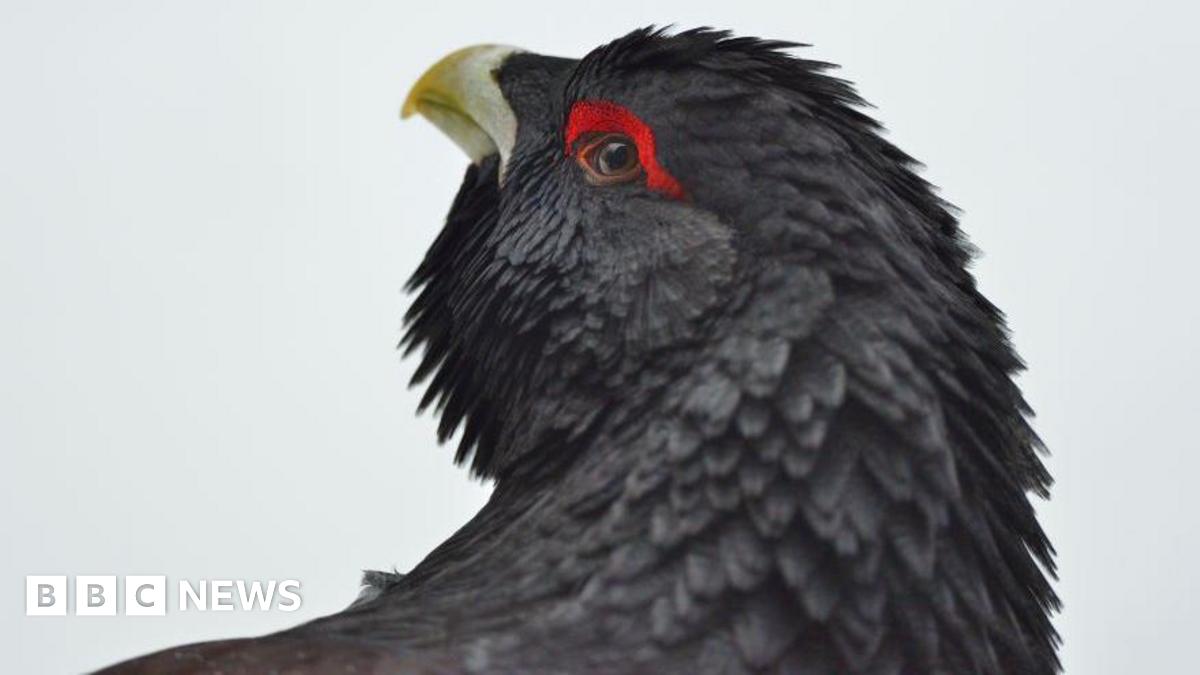
Emergency plan to save capercaillie from extinction
Birds from continental Europe could be introduced to Scotland to help boost numbers.
www.bbc.co.uk

Now there’s an interesting premise.Not exactly on topic but it's very relevant, if all species were abundant the conservation cartels would run out of money.
Emergency plan to save capercaillie from extinction
Birds from continental Europe could be introduced to Scotland to help boost numbers.
Let’s not worry about species declines because we don’t like the organisations involved in attempting to preserve them.
Generalising that logic takes you to some rather grim ends.
Hayduke
Well-Known Member
Yes relevant, they need drama and campaigns to ensure legacy gifts and membership subs retain headcount in nice offices. More idle ‘workers’ you would struggle to meet than many of those in our bigger conservation charities.Not exactly on topic but it's very relevant, if all species were abundant the conservation cartels would run out of money.
Emergency plan to save capercaillie from extinction
Birds from continental Europe could be introduced to Scotland to help boost numbers.
Hayduke
Well-Known Member
Not really when they are ineffective, and more concerned with keeping bums on seats in nice offices.Now there’s an interesting premise.
Let’s not worry about species declines because we don’t like the organisations involved in attempting to preserve them.
Generalising that logic takes you to some rather grim ends.
We have species in decline in part because these organisations are unable to get to grips with predator control: Atlantic salmon, curlew, dormouse, capercaillie, black grouse etc. There are other factors like weather, habitat loss and climate change. We need to address as many of these factors as possible if we want species recovery. However their failure to deliver or support effective predator control is largely driven by subjective and moralistic considerations.
The more they rewild, and introduce predators the worse it will get. Nature is red in tooth and claw - trophic cascade. We have managed the environment for thousands of years the decline will be exacerbated if we rewild, leave it alone and fail to care for it.
Am all for a common sense approach, the capercaille has had millions thrown at it already to see further decline, surely they should be rewarded on results?Now there’s an interesting premise.
Let’s not worry about species declines because we don’t like the organisations involved in attempting to preserve them.
Generalising that logic takes you to some rather grim ends.
Predator control would have fairly quick impact on nesting hens, conservation organisations avoid this on the fear of bad press.
Reality is without drastic measures any reintroduction of caper is ****ing in the wind.
Gamekeepers have been warning of caper extinction for 20+ years
Arguably they have an identical motivation to the conservation agencies: maintain funding for their line of work?Gamekeepers have been warning of caper extinction for 20+ years
Private investment with results based reward, gamekeepers only as good as their last season.Arguably they have an identical motivation to the conservation agencies: maintain funding for their line of work?
Public funds rewarding failure, Capercaillie had 10 million thrown at in 2021 3 years later need more money?
I personally want to preserve all indigenous species, I get a little upset when failure is rewarded.
Badger, pinemarten and corvid control would give a fairly quick and cost effective way of preserving what we have left, it would also give breathing space to other species that are not on deaths door.

Heym SR20
Well-Known Member
Two biggest challenges that Capercaillie have on Speyside
1) Deer fences. Capers, along with Black grouse and other fast low flying birds cannot see them. They fly into them 60 odd mph and die.
2) People. Aviemore is booming. RSPB as a charity has a massive pension deficit which needs endless money to fuel this so you need visitors arriving to go and see these things. Which creates disturbance.
I was walking through those woods last weekend. Close friends live up there, i know the are reasonably well. But I haven’t been up for a couple of years.
They have released beavers. No issue with that. But endless signs all over the place saying “sensitive wildlife etc” just acts as a huge magnet for everyone going in to visit. There is one Loch which we used to walk to and you would lucky if you say another person. Its more busy than Princes Street.
Unfortunately now that shooting / deer stalking are getting less of an economic support to wildlife management, landowners have to use other means. Charging £10 a time for a car park, means you need 100 cars, which is 300 people in the one day.
Charging £500 for a day for Roe Buck means 1 client and the stalker / guide out for a couple of days.
Impact is far far less, but same financial return.
1) Deer fences. Capers, along with Black grouse and other fast low flying birds cannot see them. They fly into them 60 odd mph and die.
2) People. Aviemore is booming. RSPB as a charity has a massive pension deficit which needs endless money to fuel this so you need visitors arriving to go and see these things. Which creates disturbance.
I was walking through those woods last weekend. Close friends live up there, i know the are reasonably well. But I haven’t been up for a couple of years.
They have released beavers. No issue with that. But endless signs all over the place saying “sensitive wildlife etc” just acts as a huge magnet for everyone going in to visit. There is one Loch which we used to walk to and you would lucky if you say another person. Its more busy than Princes Street.
Unfortunately now that shooting / deer stalking are getting less of an economic support to wildlife management, landowners have to use other means. Charging £10 a time for a car park, means you need 100 cars, which is 300 people in the one day.
Charging £500 for a day for Roe Buck means 1 client and the stalker / guide out for a couple of days.
Impact is far far less, but same financial return.

Point 2 is absolutely spot on, human disturbance whether it's with good intentions or not is a major player Caper breeding success.Two biggest challenges that Capercaillie have on Speyside
1) Deer fences. Capers, along with Black grouse and other fast low flying birds cannot see them. They fly into them 60 odd mph and die.
2) People. Aviemore is booming. RSPB as a charity has a massive pension deficit which needs endless money to fuel this so you need visitors arriving to go and see these things. Which creates disturbance.
I was walking through those woods last weekend. Close friends live up there, i know the are reasonably well. But I haven’t been up for a couple of years.
They have released beavers. No issue with that. But endless signs all over the place saying “sensitive wildlife etc” just acts as a huge magnet for everyone going in to visit. There is one Loch which we used to walk to and you would lucky if you say another person. Its more busy than Princes Street.
Unfortunately now that shooting / deer stalking are getting less of an economic support to wildlife management, landowners have to use other means. Charging £10 a time for a car park, means you need 100 cars, which is 300 people in the one day.
Charging £500 for a day for Roe Buck means 1 client and the stalker / guide out for a couple of days.
Impact is far far less, but same financial return.
The first time I saw wild cock Caper was at the RSPB Loch Garton Osprey view site, this would be early 90s, it was becoming busy then, the second time was further down country near Scone in early 00's, it was an incredible suprise a cock bird standing on farm track, never to be seen again on the estate.
Heym SR20
Well-Known Member
A good friend of mine who is now in his mid 60’s can remember shooting Capercaillie - they were on the quarry list. Then came fencing.Point 2 is absolutely spot on, human disturbance whether it's with good intentions or not is a major player Caper breeding success.
The first time I saw wild cock Caper was at the RSPB Loch Garton Osprey view site, this would be early 90s, it was becoming busy then, the second time was further down country near Scone in early 00's, it was an incredible suprise a cock bird standing on farm track, never to be seen again on the estate.

The elephant in the room is that all the introduced non-native species which are causing problems need to be controlled by predators but the predators this daft rewilding concept wants are not the one which has been effectively controlling them for the last few hundred years, we are. The apex predator in the UK which is the most effective at managing the numbers of endangered species and non-native pests is man. We are the only one who can effectively choose which species to manage but sadly some of us aren't capable of grasping that and waste everyone's time and money in pursuing rewilding programs which don't work largely because they are ideologically/politically opposed to the traditional ways of managing the countryside which actually work, like game shooting, stalking etc. Man is responsible for the way the environment looks now and we should be the ones managing numbers of species to ensure diversity and survival of endangered species, it's just that the bunny huggers have a problem with people killing animals and would rather have animals do it for them. The point made about tourists having a larger impact on the environment than hunters due to simple numbers apply as much to this country as it does to Africa or anywhere else. Less people spending more money is better for the environment and that means field sports not eco-tourism.
Similar threads

- Replies
- 6
- Views
- 363


- Replies
- 0
- Views
- 656
- Replies
- 6
- Views
- 570
- Replies
- 6
- Views
- 497
