
You are using an out of date browser. It may not display this or other websites correctly.
You should upgrade or use an alternative browser.
You should upgrade or use an alternative browser.
Wild boar eating.
- Thread starter lovingit
- Start date


Night òwl
Well-Known Member
There is a reasonable amount of fat depending on what cuts/joints you produce
I only use young animals for joints and steaks, any older animals, burgers, meatballs etc with some mixed spices are lovely, dont forget curing for bacon either, its very tasty think cut
I only use young animals for joints and steaks, any older animals, burgers, meatballs etc with some mixed spices are lovely, dont forget curing for bacon either, its very tasty think cut
Attachments


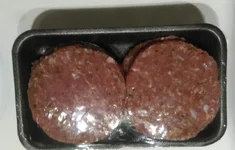
Thanks for the info. If it was a youngster would you treat the cuts as beef. And cook the same?There is a reasonable amount of fat depending on what cuts/joints you produce
I only use young animals for joints and steaks, any older animals, burgers, meatballs etc with some mixed spices are lovely, dont forget curing for bacon either, its very tasty think cut
Night òwl
Well-Known Member
Similar yes, just be mindful to carry out a trichenella test if you cull the animal yourselfThanks for the info. If it was a youngster would you treat the cuts as beef. And cook the same?
Night òwl
Well-Known Member
Yes you are correct , I skipped past the beef bit when concentrating on the fat contentSurely treat as pork?

My very first thought.Similar yes, just be mindful to carry out a trichenella test if you cull the animal yourself
Would it be ok if frozen immediately after butchering?Similar yes, just be mindful to carry out a trichenella test if you cull the animal yourself
I would read the attached.
Any pork should be cooked well, out of all meat the 2 that have always required proper cooking are pork and chicken because of the risk from parasites.
Last edited:
According to the guidelines that apply here, it is only estimated that 90% of trichinae will die when frozen.Would it be ok if frozen immediately after butchering?
It is therefore not considered a safe way to protect yourself against trichinae.
Now the question is about wild boar.
But our Scandinavian brown bear is said to contain species of trichinella that are very resistant to freezing, and fully viable even after several months of freezing at -20 Celicius.,

Freeforester
Well-Known Member
What about after it’s been cooked above 63°C?According to the guidelines that apply here, it is only estimated that 90% of trichinae will die when frozen.
It is therefore not considered a safe way to protect yourself against trichinae.
Now the question is about wild boar.
But our Scandinavian brown bear is said to contain species of trichinella that are very resistant to freezing, and fully viable even after several months of freezing at -20 Celicius.,
Above 63 degrees should make the meat safe. So if it's cooked through there shouldn't be any risk.What about after it’s been cooked above 63°C
Here we have a tradition of smoking meat, and then we don't necessarily reach the necessary temperature.
But we have easy access to a trichinosis test, so most people just get a test done.
Bavarianbrit
Well-Known Member
Do DEFRA not give out a free trichinae test kit?
The link i posted gives a link to free testing.Do DEFRA not give out a free trichinae test kit?


APHA do free testing for Trichinella in wild boar in the U.K. [make sure sample sent to them is above minimum weight stated below. I have had one sample declared to small to test]
But note that they have a Christmas shutdown period which I believe has already started.
NRL.Parasitology@apha.gov.uk

But note that they have a Christmas shutdown period which I believe has already started.
NRL.Parasitology@apha.gov.uk

Deermanagement
Well-Known Member
Definitely. I know of someone who was very ill before diagnosis. Turns out he had a burger from a van in the Dean and remembered saying to his Mrs how rare it wasSimilar yes, just be mindful to carry out a trichenella test if you cull the animal yourself


Dhindes
Well-Known Member
If you want to avoid problems then just make sure the boar is well cooked. I find it best to slow cook. Pulled boar, boar casserole, boar ragu - family loves it. Wife was concerned big for would taste strong, we have not found this an issue when slow cooked ( you can also soak joint in salt water overnight which helps).
All in all boar is easy to enjoy - cook well and do not try the raw salami which is the main disease problem.
All in all boar is easy to enjoy - cook well and do not try the raw salami which is the main disease problem.
Ah. Thanks for that. Not a subject I know much about at allAccording to the guidelines that apply here, it is only estimated that 90% of trichinae will die when frozen.
It is therefore not considered a safe way to protect yourself against trichinae.
As above, the testing is easy and free so the best course of action is to do that and then treat as any other safe meat. Just order the kit well in advance so you aren’t waiting for it.
I don’t like to overcook meat, so have eaten plenty of pink boar with no issues.
Butcher as pork, make sure you cure the cheeks, they are absolutely delicious. I used the ‘face bacon’ recipe/method from youtube and it turned out a treat. Made some streaky bacon out of the belly too and was very impressed with it - particularly for a first go.
I don’t like to overcook meat, so have eaten plenty of pink boar with no issues.
Butcher as pork, make sure you cure the cheeks, they are absolutely delicious. I used the ‘face bacon’ recipe/method from youtube and it turned out a treat. Made some streaky bacon out of the belly too and was very impressed with it - particularly for a first go.
Similar threads
- Replies
- 14
- Views
- 1K
- Replies
- 8
- Views
- 451


- Replies
- 24
- Views
- 2K

- Replies
- 4
- Views
- 260

