BBC website has an article this morning about Blue Tongue virus appearing in the UK and spreading with all ruminants, including deer, as susceptible hosts.
Symptoms include : "The disease causes tongue and mucous membrane lesions, problems with swallowing, lameness and stiffness"
The full article is here.
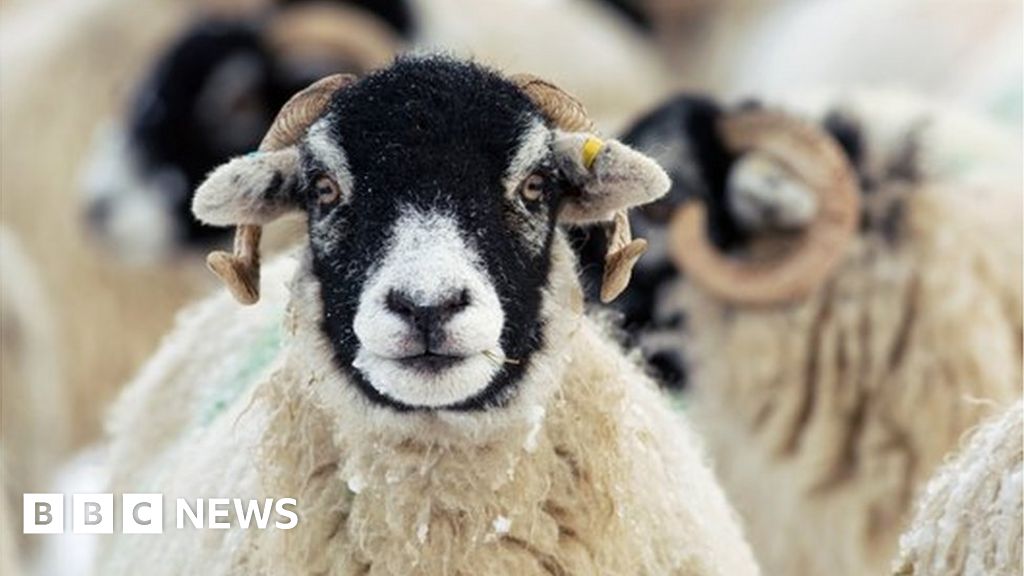
Blue tongue is a notifiable disease, and the symptoms read very similar to Foot and Mouth. Are the two clearly/visibly different, and does anyone have an idea how great an impact this could have on deer numbers?
Would carcasses still be able to enter the food chain?
Presumably if found or suspected in a deer the call is made to APHA, but what samples will they want, or do they take the whole carcass?
Thank you for any advice or guidance.
Symptoms include : "The disease causes tongue and mucous membrane lesions, problems with swallowing, lameness and stiffness"
The full article is here.
Bluetongue farm virus warning for sheep and cattle as midges blown into UK
Midges blown from northern Europe could spread a serious virus across farms in England, experts warn.
www.bbc.co.uk
Blue tongue is a notifiable disease, and the symptoms read very similar to Foot and Mouth. Are the two clearly/visibly different, and does anyone have an idea how great an impact this could have on deer numbers?
Would carcasses still be able to enter the food chain?
Presumably if found or suspected in a deer the call is made to APHA, but what samples will they want, or do they take the whole carcass?
Thank you for any advice or guidance.