In a speech on Wednesday, Healy is expected to announce plans to restart the production of energetics - explosives, pyrotechnics and propellants

Liveonce

Well-Known Member
About time this dependency on other country’s was replaced with the ability to manufacture at home in the u.k.

In a speech on Wednesday, Healy is expected to announce plans to restart the production of energetics - explosives, pyrotechnics and propellants - in the UK, after two decades of sourcing these materials from overseas.
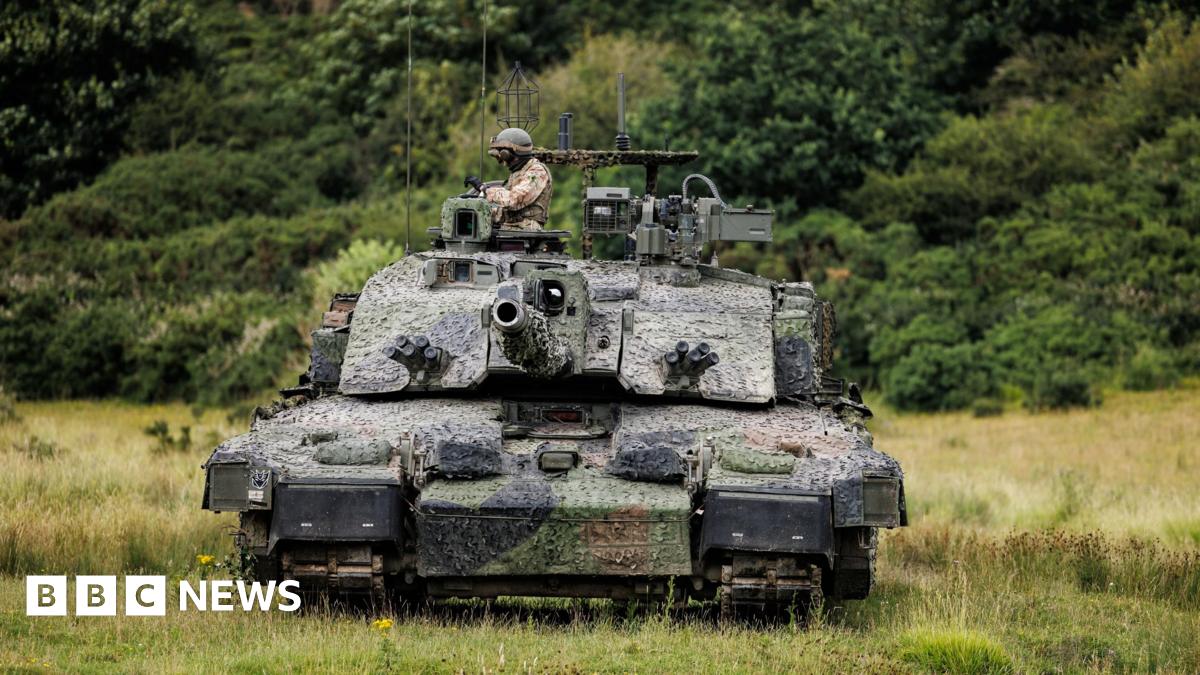


The u.k. once had three such factories, now none.
 
Last edited:
Whilst this is potentially good news for simple natures such as propellants and primers for ammunition, artillery rounds, decoy flares, etc, where a regular volume is needed and can be easily produced, propellants for rocket motors and explosives for warheads are a very different matter. These are subjected to extensive trials and tests to ensure their stability, transportation and suitably for storage (S-cubed) testing. Once qualified, and such testing can take many months if not years, you cannot stop the production run or change any of the parameters, materials, etc without re qualification. Sadly, unless you are producing huge volumes this simply makes it prohibitively expensive for short production runs given the complex weapons are only sourced in relatively low numbers due to their high costs. I speak as the former programme manager for a number of UK air-launched guided weapons and missiles and have been involved with WOME for decades.
 
Whilst this is potentially good news for simple natures such as propellants and primers for ammunition, artillery rounds, decoy flares, etc, where a regular volume is needed and can be easily produced, propellants for rocket motors and explosives for warheads are a very different matter. These are subjected to extensive trials and tests to ensure their stability, transportation and suitably for storage (S-cubed) testing. Once qualified, and such testing can take many months if not years, you cannot stop the production run or change any of the parameters, materials, etc without re qualification. Sadly, unless you are producing huge volumes this simply makes it prohibitively expensive for short production runs given the complex weapons are only sourced in relatively low numbers due to their high costs. I speak as the former programme manager for a number of UK air-launched guided weapons and missiles and have been involved with WOME for decades.

Well CSG who own Fiocchi don’t think that way, they are going to modify the recent acquired plant to make propellant. Modern production of propellant looks more like a printing process all computer controlled with large rolls of cellulose (paper) fed into the process. The days on nitrating bulk cotton are long gone.


From your article:

"That is why we have been working hard for several years and investing hundreds of millions of euros in creating a vertically integrated production of large-caliber ammunition within the CSG Group, from input commodities and semi-finished products to the final product. Our recent acquisition has brought us significantly closer to this goal"​
As I said, for small calibre ammunition, artillery shells, etc, I can see this working in the UK. However, for cast propellants for Air-to-Air guided weapon rocket motors and their warheads, we simply don't produce the volumes. The costs of these are staggering and even innovations such as modularity and re-use of common components in other missiles has not significantly reduced their costs. As much as I would wish to see our miniscule stockpiles increased, I cannot see it realistically happening.
 
From your article:

"That is why we have been working hard for several years and investing hundreds of millions of euros in creating a vertically integrated production of large-caliber ammunition within the CSG Group, from input commodities and semi-finished products to the final product. Our recent acquisition has brought us significantly closer to this goal"​
As I said, for small calibre ammunition, artillery shells, etc, I can see this working in the UK. However, for cast propellants for Air-to-Air guided weapon rocket motors and their warheads, we simply don't produce the volumes. The costs of these are staggering and even innovations such as modularity and re-use of common components in other missiles has not significantly reduced their costs. As much as I would wish to see our miniscule stockpiles increased, I cannot see it realistically happening.
Where do we get these specialized components from?
CH
 
Back
Top