
You are using an out of date browser. It may not display this or other websites correctly.
You should upgrade or use an alternative browser.
You should upgrade or use an alternative browser.
U.K. deer species
- Thread starter gixer1
- Start date



Yup, definately will need the boat.


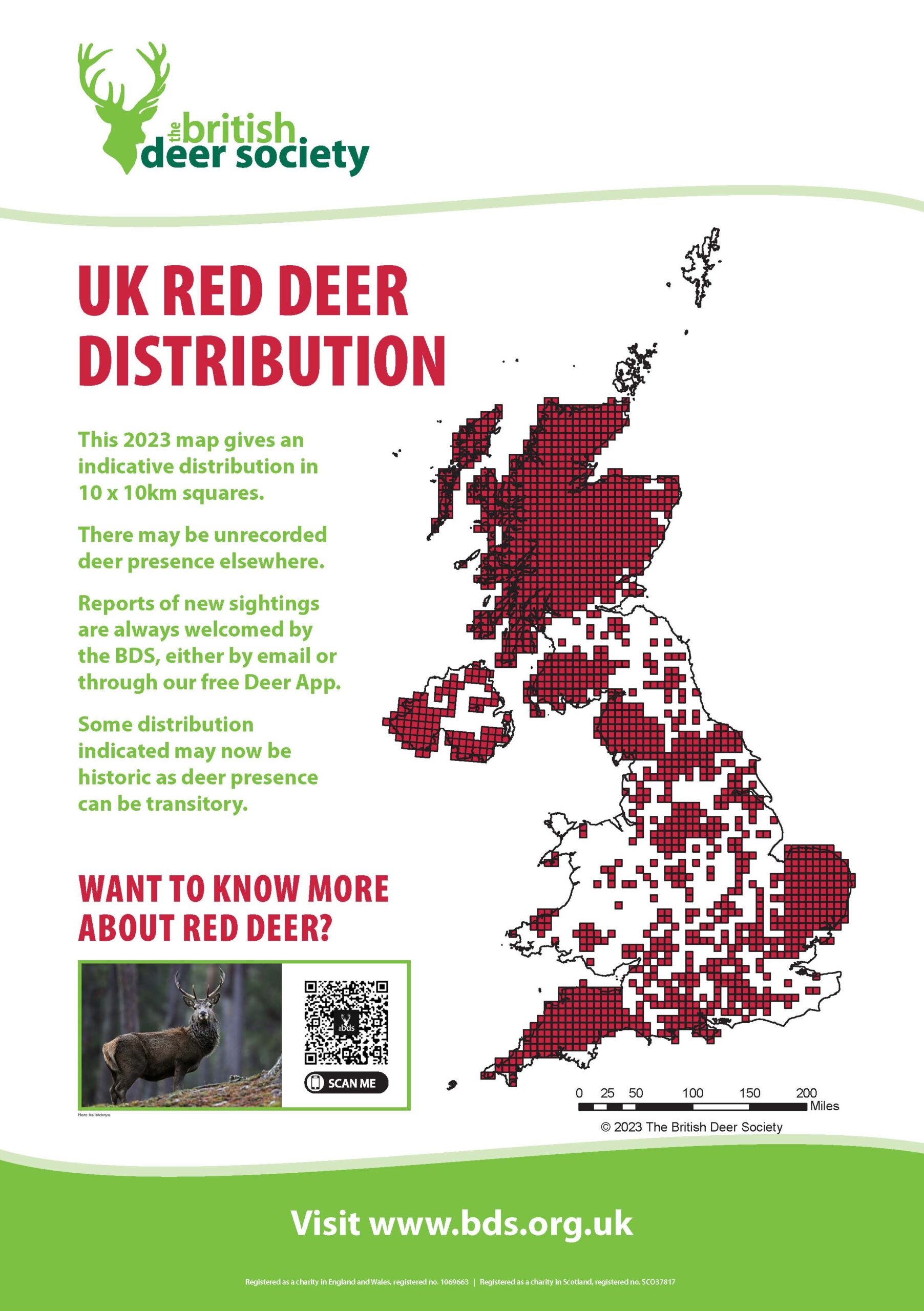
Deer Distribution Survey - The British Deer Society
Deer Distribution SurveyCheck out the new BDS UK deer distribution map! Learn what species of deer you can see in your area Photo by: Mark BridgerFIND OUT MORE ABOUT THE DEER SURVEY If you want to know where you can see water deer or how far muntjac have spread across England you need a survey...
 www.bds.org.uk
Haven't seen one where all species are overlayed on one map though.
The Mammal Society has also recently published an interesting atlas of all mammal species in Great Britain and Northern Ireland - though the distribution of deer in the atlas uses the same source as the above.

Atlas of the Mammals of Great Britain and Northern Ireland
Based on more than 1.8 million records, this Atlas provides the most up-to-date information on the current distributions of both terrestrial and marine mammals in the United Kingdom, the Channel Islands and the Isle of Man. Many changes over time, such as the rapid invasion of the grey squirrel...
 pelagicpublishing.com
Is there a map of the U.K. showing which areas have which species?
Without wishing to risk another thread being closed!
Should you want to track deer stalkers by species.......

There's now a map showing the distribution of DSC1 holders per 100km2: https://www.dmq.org.uk/wp-content/uploads/2018/09/DSC1.pdf
And another showing the distribution of DSC2 holders per 100km2: https://www.dmq.org.uk/wp-content/uploads/2018/09/DSC2.pdf
It throws up some interesting observations, such as the fact that seemingly everyone living on the Isle of Man who did DSC1 has gone on to successfully complete DSC2!
Overlaying these maps with those for deer distribution would be an interesting exercise.......
I honestly don’t understand what you mean?Without wishing to risk another thread being closed!
Should you want to track deer stalkers by species.......
There's now a map showing the distribution of DSC1 holders per 100km2: https://www.dmq.org.uk/wp-content/uploads/2018/09/DSC1.pdf
And another showing the distribution of DSC2 holders per 100km2: https://www.dmq.org.uk/wp-content/uploads/2018/09/DSC2.pdf
It throws up some interesting observations, such as the fact that seemingly everyone living on the Isle of Man who did DSC1 has gone on to successfully complete DSC2!
Overlaying these maps with those for deer distribution would be an interesting exercise.......
I was looking to see if there was a specific area of the U.K. that had all the species in one place as I genuinely didnt know the answer. It seems only south east England is the only area that ticks that box.
I guess that’s where all the DSC1 questions would apply
regards,
Gixer
I honestly don’t understand what you mean?
I was looking to see if there was a specific area of the U.K. that had all the species in one place as I genuinely didnt know the answer. It seems only south east England is the only area that ticks that box.
I guess that’s where all the DSC1 questions would apply
regards,
Gixer
An attempt at humour, clearly misplaced.
I just thought it was funny with the other threads running today about DSC1/2. Many stalkers see those as characterising something akin to an alien species. Finding there were distribution maps for those and juxtaposing them with the deer species was the object.
In the old days you could delete those kind of embarassing posts, but now they are preserved for all of posterity. Progress, I guess.

Re: the species, from the look of the maps there's someone living in the vicinity of Faversham (Kent) who has seen muntjac, red, sika and CWD in the locality. Lucky them....must get the binoculars out next time I'm down.

I believe there are places in East Anglia where all six species are present.I honestly don’t understand what you mean?
I was looking to see if there was a specific area of the U.K. that had all the species in one place as I genuinely didnt know the answer. It seems only south east England is the only area that ticks that box.
I guess that’s where all the DSC1 questions would apply
regards,
Gixer
Well if someone is struggling to convince their FEO of the need for a deer legal calibre on ground that has previously only held rabbits, all they need to do is report a "sighting" when there's a BDS survey going on so that the new maps show deer in the area. Wave the map under the FEO's nose as proof positive of the need for a suitable rifleThanks for that, odd that some of the locations show deer that are near me and I’ve never heard of them there!


The BDS data is about as good as you’re going to find, but it still has problems.
The first is that it’s on 10km x 10km squares - which is quite coarse.
Second - it’s based on reported sightings, much from the general public. This seems to cause some common identification errors - like sika/fallow and roe/cwd/muntjac getting mixed up.
Finally - there’s no differentiation between a square with a single transient sighting and a square with a large stable population.
The first is that it’s on 10km x 10km squares - which is quite coarse.
Second - it’s based on reported sightings, much from the general public. This seems to cause some common identification errors - like sika/fallow and roe/cwd/muntjac getting mixed up.
Finally - there’s no differentiation between a square with a single transient sighting and a square with a large stable population.
An attempt at humour, clearly misplaced.
I just thought it was funny with the other threads running today about DSC1/2. Many stalkers see those as characterising something akin to an alien species. Finding there were distribution maps for those and juxtaposing them with the deer species was the object.
In the old days you could delete those kind of embarassing posts, but now they are preserved for all of posterity. Progress, I guess.
Re: the species, from the look of the maps there's someone living in the vicinity of Faversham (Kent) who has seen muntjac, red, sika and CWD in the locality. Lucky them....must get the binoculars out next time I'm down.
sorry...I missed it...
 I get what you mean now! It’s been a long day!
It’s odd as I actually live in one of the squares that show sika...and I can tell you there are no sika here! Unless they are very good at hide and seek!
Any fallow?


Freeforester
Well-Known Member
They do the hiding, you sika deer! 
Another problem with the maps is that nothing ever seems to be removed from them. For example, a population of red deer is still on the map for this area, but it relates to a group of escaped animals dating back 30 years or more. They were all culled / recaptured and removed from the area within about a month.
Similar threads

- Replies
- 36
- Views
- 2K


- Replies
- 16
- Views
- 1K


- Replies
- 27
- Views
- 2K

