I've been watching threads such as this with great interest. I have noticed over the last few years they come up increasing often. Perhaps more stalkers, age demographic is trending towards older stalkers or we are all getting weak and or more inclined to save our aging bodies.
There have been many ideas, designs and comments many of which I have given some thought.
I have begun to make some hoists using the ideas and comments as a basis for their design.
I made and fitted one to my own Navara pick up last year. Honestly I had some scepticism as to whether I'd use it or not. My main issue being I just can't be bothered to take too long to set it up.
So how long is too long? Well for me anything over 2 minutes. I'm still just strong enough to manhandle a fallow buck into the back, so unless it's convenient I'll just do the work. However a time will come when that's to much and my back will say NO to lifting such weight.
So I set to and made the first hoist and have used it this last year.
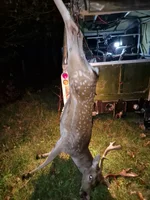
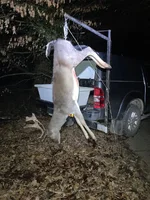
Being comfortable and prefer to grallock on the floor I initially used it to load larger animals into the truck, but have subsequently found performing suspended grallocks on muntjac preferable to kneeling down and bending over. So that's a new direction for me.
I also now prefer to use it for roe.
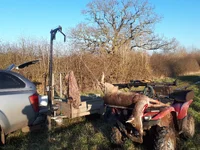
Fallow I still tend to take the green out at the shot site and then finish off on the hoist before lowering into the tray. All without straining anything or blowing a gasket.
I am a welder fabricator by trade mostly undertaking restoration of narrowboats, but my passion for hunting just merges with my skill set and I feel the call to make such things.
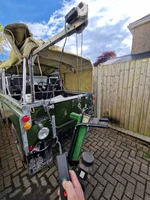
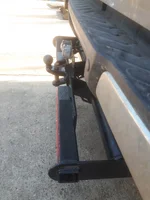
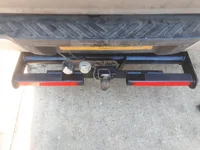
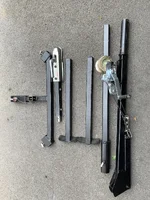
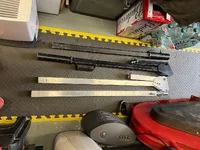
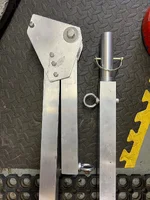
As you'll see the hoist simply slides into a socket which is bolted to the original tow bar (no modification made to retain design integrity). It takes just seconds to deploy.
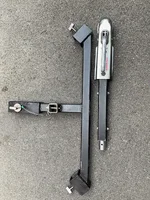
I've also made a modification which now allows it to be used as a skinning rig. I've only used this on muntjac so far but will test on larger species this coming autumn and winter.
I'd be interested to hear the views of my fellow engineering counterparts or those looking for similar needs to be met. Constructive criticism is welcomed. Better still genuine suggestions for improvement.


 The move to aluminium box section for the upright was weight driven. I've had it flex a bit with large fallow so I now have a steel collar on the towbar connection point.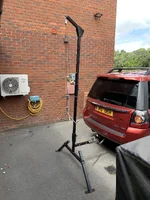

![20240201_142332[1] (2).webp](https://www.thestalkingdirectory.co.uk/data/attachments/388/388981-322e2561d8bda860b6e50f72a2f117c6.jpg?hash=3-cqBfzbuu "20240201_142332[1] (2).webp")