

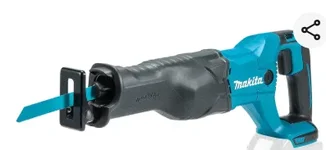
A top quality 9" 2mm blade will make short work of most things, the wall thickness of this pilling rig end is 40mm + the hard face 
@Mickeydredd
@Mickeydredd

There are certain designs of mortise lock key which work for multiple locks.'Fire brigade keys' are one example which open multiple types and there are other skeleton key options. Mortise locks are one of the less secure lock types as there are a relatively low number of possible configurations of keys. Not as bad as filing cabinets/money lock boxes though.What's a Fire Brigade Key Set?
The only keys that the fire brigade carry are lift keys, hydrant keys, keys to foam inlets and wet/dry risers and fire access gates/barriers. Other than that it's the big red key, the jaws or a 10lb sledge that we carried to break down security doors fitted on drug dealers flats.
There's two options to this problem, either a locksmith or simple brute force. Those that steal these cabinets from homes usually don't have too much bother levering cabinets off walls.


I'd asses this in stages.
1) Is the cabinet still "in spec" for s1 and s2 weapons?
The accepted specification for gun cabinets changed some good few years back. What was acceptable previous to that now isn't. Yet see the link below regarding "older cabinets". However most police forces nowadays likely demand cabinets that conform to, or exceed, BS7558 (1992).What do you mean by ‘in spec’?

But there is no legal requirement to have a cabinet at all.The accepted specification for gun cabinets changed some good few years back. What was acceptable previous to that now isn't. Yet see the link below regarding "older cabinets". However most police forces nowadays likely demand cabinets that conform to, or exceed, BS7558 (1992).
Firearms security handbook 2020 (accessible)
www.gov.uk
2.1 The security of firearms, section 1 ammunition and shotguns within a dwelling can in most cases be achieved using a cabinet designed for this purpose. New cabinets should conform to the requirements of BS7558 (1992) (see Annex C for examples on points of construction). The cabinet should be fixed to the structure and located to frustrate attack or identification by persons visiting the premises. Many older cabinets will be built to perfectly satisfactory standards and if satisfactory, need not be replaced.
So if the cabinet has been in the house for some time it may be that it is of a earlier once acceptable construction or design style or pattern that is now not acceptable. So no longer "in spec".
This is why in some auctions you will see a gun cabinet listed as "suitable for air weapons" as some detail such as external style of hinge or metal thickness or position of locks no longer meets the current required specification.
Key Specifications (BS7558)
- Material: Sheet steel, minimum 2mm thick, with continuously welded seams or bent construction.
- Hinges: Internal. If external, use hinge bolts, blocks, or anti-lever bars.
- Locks: Internal, 5-lever locks (BS3621 standard) or high-quality hardened padlocks with staples.
- Ammunition: Store in a separate, lockable container, either attached or integrated, built to the same standard.
- Full-Length Cabinets: Require two locks, one-third and two-thirds up the door.
I have one skill! It just so happens to be picking open safes.That's a very generous offer. SDF member to the rescue.
D

That comment made me think of this.I have one skill! It just so happens to be picking open safes.
I'm useless at everything else.


Will do so in the next day or so.Upload a picture and ill tell you were to drill it.
I open safes for a living and regularly do work on gun cabinets. I'll probably be able to tell you were to get replacements from incase you want to use it.
No access unfortunatelyWhats access to the rear like? Id try a pry bar first if access allows, plugs or expansion bolts fail pretty easy, chem fix might be too much
What about above? Pry the top off and drop a wedge down?No access unfortunately


