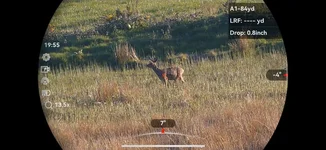
With the long days of late spring upon us, @MR22 and I headed north to Galloway in pursuit of roe bucks with @Gallowaycountrysports. I was keen to see how the Alpex 4K LRF, a recent SD purchase, performed when mounted atop my Sako M591: a foxing rifle chambered in .22-250, deadly on foxes and legal for roe north of the border.
Our journey up was pleasantly punctuated by a stop in Annan for an impromptu drink at our chance discovery: Westlands Shooting Ground. With its great facilities and welcoming atmosphere, it struck us as a destination worthy of a trip in its own right, a real gem tucked just off the A75.
A couple of hours later, we met up with Alan at his hotel base. After a good-natured catch-up, the usual tales of Africa, and a fair bit of laughter over the mishaps of our mutual acquaintance, we had a look around the establishment, including a rather impressive display of taxidermy, before heading out to the range. A quick group from prone and then sticks at 125 yards confirmed the electronic scope was holding zero. Young Bryce asked if he could look through the Alpex, so I suggested he fire off a few rounds. The neat 0.75" three-shot group he produced, centre to centre, showed me up somewhat.
With a plan set and plenty of light on our side, we split into stalking pairs. MR22 and Alan would work the coastal ground, while Bryce and I opted to stay inland, aiming to gain altitude and glass the wide valleys from the prominent hillocks that dot the otherwise flat land of the Rhins of Galloway. Our first elevation offered plenty to see: a large group of reds grazing; a lone fox hunting through the long grass; one, then two, then half a dozen roe, each rising from their solitary couches in the late afternoon sun. Unfortunately, all the roe were gravid does, their outlines showing them to be heavy in kid. With the wind unfavourable, we quietly moved on.
The second vantage we stalked up to was a rocky outcrop topped with a trig point. Bumping a leveret and doe on the stalk up through thick gorse, we reached the summit and were greeted with views of a heavy sun sinking towards the horizon in a cloudless sky. Light rippled off the waves, bathing the craggy coastline in golden light. I stopped to enjoy the vista and scan the brushy slopes when Bryce signalled that he had found a buck. It must have been just visible at over 600 yards, but through his Zeiss binoculars, a 13th birthday present from his father, he was confident that it was a buck. They are only a week or so out of velvet and in pristine, honed condition, a contrast to the boxy does, swollen and ready to drop their young. The buck was indeed accompanied by two does, the group browsing in the sort of bowl-shaped, tufty hollow that roe always seem to accumulate in.
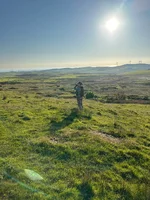
With the wind in our favour, we began our descent, dropping off the hillock, skirting around the rocks and through the gorse. We quickly closed the distance, our sound and scent carried away from the deer by the wind, and the tall scrub and rock masking our form.
At 350 yards, we paused to assess the final approach. A drystone wall ran along the near edge of the cover, and beyond it, an open field sloped gently towards the hollow. It looked like an ideal shooting position. With Bryce’s backpack as a rest, there was a spot of wall that looked to give enough height to loop a shot over the camber of the silage field, we plotted our course accordingly. Picking our way through cover, then following a streambed, we crept to the base of the wall. I settled the rifle onto the firing point and ranged the buck:
“230 yards,” I said, relaying the distance to Bryce.
“A bit far, isn’t it?” came the hushed reply.
It was early evening. I said I’d rather risk spooking the deer and spend the next three hours searching for another beast than risk wounding it and spend the next three hours searching for a runner. Bryce concurred, so we needed to close the gap. The wall, which we had hoped would aid us, was now an obstacle we must scale in full view of our quarry. We jettisoned all extraneous equipment, and I slunk over first, hugging the warm stone as I tried to stay low and invisible. Bryce followed more brazenly but silently, moving with the quiet surety of someone born into stalking.
The next stage was a silent leopard-crawl through foot-high grass. It was surprisingly hard to keep up with Bryce. I’m a fit athlete, but he pushed on with purpose, quickly covering the 50 yards to where the swollen field crests. From here, the land then starts to fall into the bowl, so our cover would be spent. 180 yards is still a reasonable distance, within the range I was comfortable with.
Rifle loaded and sticks made ready on the ground, scope on and covers flicked up, just the safety left to unset. We waited patiently, watching as the group grazed. The does were skittish, lifting their heads often, alert to a looming danger. We waited for that moment when all three had their heads down. Finally, it came. Slowly, carefully, I rose behind the sticks, easing the rifle onto the yoke. My cheek met the stock but no deer was visible. In fact, nothing was. The ocular lens of the scope had fogged up due to the moist grass. With a cotton shirt cuff as a makeshift lens cloth, I quickly cleared the glass of condensation. Not quick enough, however. The buck had stepped forward, now quartering slightly. I watched through the scope, waiting intently. Bryce went to whisper an instruction, but I didn’t hear his words. At that moment, the buck had just shown me his broadside. In a split second, the crosshairs rested centre of the leg, halfway up the chest, and the shot was slipped. An almost reflex action, as complete concentration drowned out any distraction or thought.
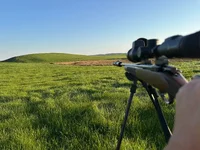
The report cracked through the still air, but there was no audible strike. I cycled the bolt instinctively, though I had seen enough through the scope to know it was a solid hit. The buck dashed forward, making just fifteen yards before ploughing into the reeds, his legs crumpling beneath him.
The two does bolted from the cover and, to our surprise, a second buck erupted from grass no more than 50 yards ahead. It paused at 100 yards, broadside, and I swivelled the rifle onto him. The chance was there, but I flicked the safety back on and watched him stot away. I had one buck down. Enough.
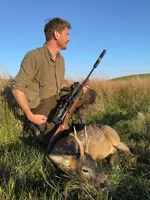
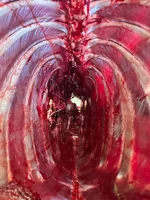
We waited ten minutes, then moved in. The roe lay dead where we had marked it, shot perfectly through one shoulder and heart but with no exit. Bryce watched patiently as I carried out the gralloch, his humour intact despite my relatively inexperienced fieldcraft. At 17 kg larder weight, it was not a heavy beast, and with my homemade drag rope, recovery was effortless.
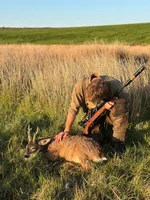
As for MR22, he had also made good on his opportunity. Stalking the coastal fringe, he and Alan had come across a young buck chasing a doe. Alan gave a shout to halt them. The first call failed to register, but a second “Hey!” brought the buck to a frozen pause at 80 yards. MR22, a fox shooter and ever decisive, wasted no time. The V-MAX bullet from his Tikka T3 in .223 Rem was true, quartering slightly but passing clean through the chest forward of the diaphragm. No damage to the carcass; the buck dropped on the spot.
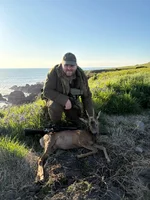
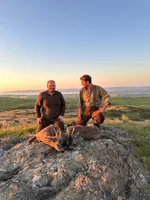
We rendezvoused to collect the vehicles, capture a few quick photographs, and share stories before retreating to the hotel to larder the carcasses and settle in for a couple of well-earned beers.
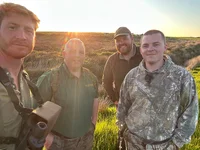
Our journey up was pleasantly punctuated by a stop in Annan for an impromptu drink at our chance discovery: Westlands Shooting Ground. With its great facilities and welcoming atmosphere, it struck us as a destination worthy of a trip in its own right, a real gem tucked just off the A75.
A couple of hours later, we met up with Alan at his hotel base. After a good-natured catch-up, the usual tales of Africa, and a fair bit of laughter over the mishaps of our mutual acquaintance, we had a look around the establishment, including a rather impressive display of taxidermy, before heading out to the range. A quick group from prone and then sticks at 125 yards confirmed the electronic scope was holding zero. Young Bryce asked if he could look through the Alpex, so I suggested he fire off a few rounds. The neat 0.75" three-shot group he produced, centre to centre, showed me up somewhat.
With a plan set and plenty of light on our side, we split into stalking pairs. MR22 and Alan would work the coastal ground, while Bryce and I opted to stay inland, aiming to gain altitude and glass the wide valleys from the prominent hillocks that dot the otherwise flat land of the Rhins of Galloway. Our first elevation offered plenty to see: a large group of reds grazing; a lone fox hunting through the long grass; one, then two, then half a dozen roe, each rising from their solitary couches in the late afternoon sun. Unfortunately, all the roe were gravid does, their outlines showing them to be heavy in kid. With the wind unfavourable, we quietly moved on.
The second vantage we stalked up to was a rocky outcrop topped with a trig point. Bumping a leveret and doe on the stalk up through thick gorse, we reached the summit and were greeted with views of a heavy sun sinking towards the horizon in a cloudless sky. Light rippled off the waves, bathing the craggy coastline in golden light. I stopped to enjoy the vista and scan the brushy slopes when Bryce signalled that he had found a buck. It must have been just visible at over 600 yards, but through his Zeiss binoculars, a 13th birthday present from his father, he was confident that it was a buck. They are only a week or so out of velvet and in pristine, honed condition, a contrast to the boxy does, swollen and ready to drop their young. The buck was indeed accompanied by two does, the group browsing in the sort of bowl-shaped, tufty hollow that roe always seem to accumulate in.
With the wind in our favour, we began our descent, dropping off the hillock, skirting around the rocks and through the gorse. We quickly closed the distance, our sound and scent carried away from the deer by the wind, and the tall scrub and rock masking our form.
At 350 yards, we paused to assess the final approach. A drystone wall ran along the near edge of the cover, and beyond it, an open field sloped gently towards the hollow. It looked like an ideal shooting position. With Bryce’s backpack as a rest, there was a spot of wall that looked to give enough height to loop a shot over the camber of the silage field, we plotted our course accordingly. Picking our way through cover, then following a streambed, we crept to the base of the wall. I settled the rifle onto the firing point and ranged the buck:
“230 yards,” I said, relaying the distance to Bryce.
“A bit far, isn’t it?” came the hushed reply.
It was early evening. I said I’d rather risk spooking the deer and spend the next three hours searching for another beast than risk wounding it and spend the next three hours searching for a runner. Bryce concurred, so we needed to close the gap. The wall, which we had hoped would aid us, was now an obstacle we must scale in full view of our quarry. We jettisoned all extraneous equipment, and I slunk over first, hugging the warm stone as I tried to stay low and invisible. Bryce followed more brazenly but silently, moving with the quiet surety of someone born into stalking.
The next stage was a silent leopard-crawl through foot-high grass. It was surprisingly hard to keep up with Bryce. I’m a fit athlete, but he pushed on with purpose, quickly covering the 50 yards to where the swollen field crests. From here, the land then starts to fall into the bowl, so our cover would be spent. 180 yards is still a reasonable distance, within the range I was comfortable with.
Rifle loaded and sticks made ready on the ground, scope on and covers flicked up, just the safety left to unset. We waited patiently, watching as the group grazed. The does were skittish, lifting their heads often, alert to a looming danger. We waited for that moment when all three had their heads down. Finally, it came. Slowly, carefully, I rose behind the sticks, easing the rifle onto the yoke. My cheek met the stock but no deer was visible. In fact, nothing was. The ocular lens of the scope had fogged up due to the moist grass. With a cotton shirt cuff as a makeshift lens cloth, I quickly cleared the glass of condensation. Not quick enough, however. The buck had stepped forward, now quartering slightly. I watched through the scope, waiting intently. Bryce went to whisper an instruction, but I didn’t hear his words. At that moment, the buck had just shown me his broadside. In a split second, the crosshairs rested centre of the leg, halfway up the chest, and the shot was slipped. An almost reflex action, as complete concentration drowned out any distraction or thought.
The report cracked through the still air, but there was no audible strike. I cycled the bolt instinctively, though I had seen enough through the scope to know it was a solid hit. The buck dashed forward, making just fifteen yards before ploughing into the reeds, his legs crumpling beneath him.
The two does bolted from the cover and, to our surprise, a second buck erupted from grass no more than 50 yards ahead. It paused at 100 yards, broadside, and I swivelled the rifle onto him. The chance was there, but I flicked the safety back on and watched him stot away. I had one buck down. Enough.
We waited ten minutes, then moved in. The roe lay dead where we had marked it, shot perfectly through one shoulder and heart but with no exit. Bryce watched patiently as I carried out the gralloch, his humour intact despite my relatively inexperienced fieldcraft. At 17 kg larder weight, it was not a heavy beast, and with my homemade drag rope, recovery was effortless.
As for MR22, he had also made good on his opportunity. Stalking the coastal fringe, he and Alan had come across a young buck chasing a doe. Alan gave a shout to halt them. The first call failed to register, but a second “Hey!” brought the buck to a frozen pause at 80 yards. MR22, a fox shooter and ever decisive, wasted no time. The V-MAX bullet from his Tikka T3 in .223 Rem was true, quartering slightly but passing clean through the chest forward of the diaphragm. No damage to the carcass; the buck dropped on the spot.
We rendezvoused to collect the vehicles, capture a few quick photographs, and share stories before retreating to the hotel to larder the carcasses and settle in for a couple of well-earned beers.