Principal reason for most “snorkels“ is that they are not so much snorkels but high level primary air cleaners.
When driving in dusty conditions, the cleanest air is up near the roof. They then have separators that remove the large particles before the air goes through the air filters.
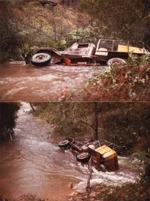
Many are not really good enough to keep put serious water - a bit of a splash perhaps. Besides in most vehicles there are things like fuse boxes, oil breathers on gear boxes and axles , even just dipstick pipes all which are very susceptible to water ingress.
Its also worth noting that the air intake on many vehicles is really quite low. Certainly in my old A4 Allroad the intake level was well below the top of the wheels. If you are going to ford water in such a vehicle - be very aware of this, make damn sure you keep up a good bow wave and do not stop and when put the other side make sure the filter is not full of water, and no water has gotten into engine oil etc.
Snorkels do restrict airflow but not a huge amount if well designed. It’s a trade off between keeping engine free from dust vs engine performance. Besides most engines now have turbos. These are set to provide a certain level of boost. If there is not enough boost then the waste gate closes sucking more air in, till boost pressure is achieved. This both compensates for altitude, so a turboed engine doesn’t loose power like a naturally aspirated engine dose and will to some extent minimise the effect of big air cleaners etc.
But in bush type conditions reliability is somewhat secondary to power and fuel efficiency. Beauty of the Series landrovers is that they could be made to run even if half the bits were missing - not fuel efficient, but they run. Ditto with the old landcruiser straight 6s. 4,5 litres to produce 120 odd hp. But they would do this for half a million miles on a mix of diesel and whatever else is mixed into bush diesel


 www.facebook.com




 However, for those not as remote as you John, some of this electronic sh*t is quite useful to us stalkers


