


maximus otter
Well-Known Member
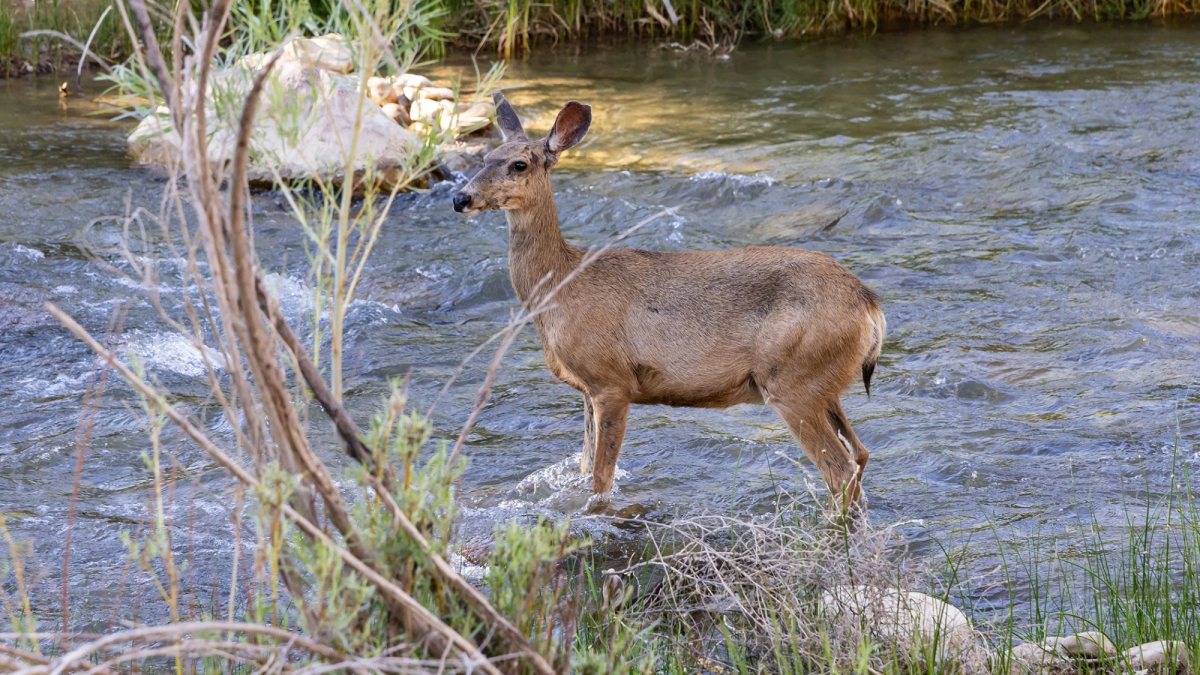
Many species take advantage of seeing ultraviolet (UV) light that’s invisible to humans—including deer.
The woodland mammals appear to be using UV as a way of communicating. Their scrapes—markings they make in the dirt or on wood and fill with secretions—glow under UV light that they can see and we can’t. The same goes for their rubbings, or the secretion-filled marks their antlers make on trees and fence posts. According to the findings published in the journal Ecology & Evolution, the photoluminescence is potentially a way for the mammals to find a mate.
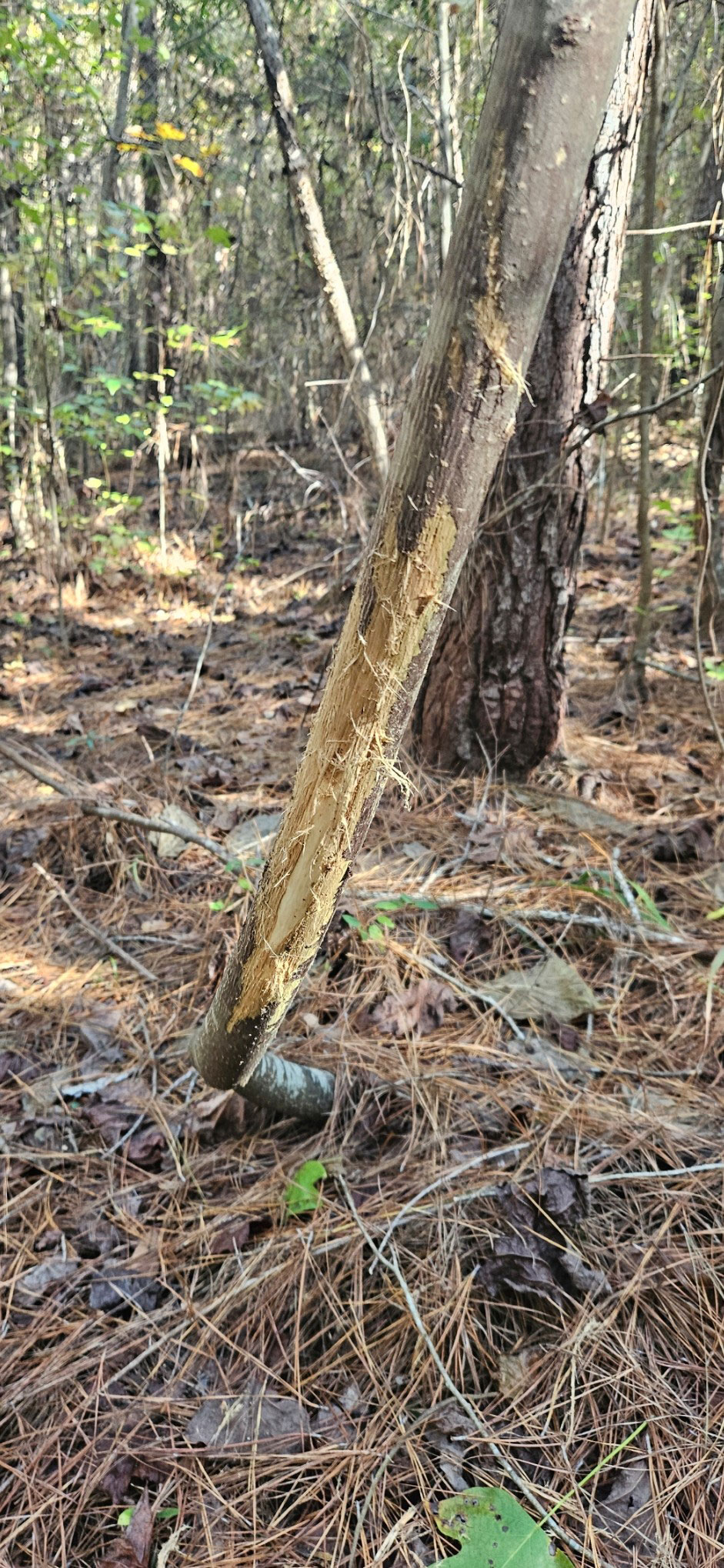
“As we got closer to breeding season, those markings increased in visibility as deer prepared for it.”
Over three months, the team searched for white-tailed deer markings in near Athens, Georgia, during the day. By night, they investigated them with UV lights. They analyzed 109 antler rubs on trees and 37 urine-marked acres across 800 acres of forest.
The team believes that rubs’ glow may be made from a combination of plant and tree sap and secretions from the animal’s forehead glands. The scrapes’ glow is likely from urine.
“In the process of scraping the bark off a tree with their antlers, they are depositing glandular secretions. Likewise, when they make a scrape, a different gland is also between their toes.”
 www.popsci.com
maximus otter
The woodland mammals appear to be using UV as a way of communicating. Their scrapes—markings they make in the dirt or on wood and fill with secretions—glow under UV light that they can see and we can’t. The same goes for their rubbings, or the secretion-filled marks their antlers make on trees and fence posts. According to the findings published in the journal Ecology & Evolution, the photoluminescence is potentially a way for the mammals to find a mate.
“As we got closer to breeding season, those markings increased in visibility as deer prepared for it.”
Over three months, the team searched for white-tailed deer markings in near Athens, Georgia, during the day. By night, they investigated them with UV lights. They analyzed 109 antler rubs on trees and 37 urine-marked acres across 800 acres of forest.
The team believes that rubs’ glow may be made from a combination of plant and tree sap and secretions from the animal’s forehead glands. The scrapes’ glow is likely from urine.
“In the process of scraping the bark off a tree with their antlers, they are depositing glandular secretions. Likewise, when they make a scrape, a different gland is also between their toes.”
Deer markings actually glow
The scrapes and rubs the mammals leave behind shine under UV light humans can't see.
www.popsci.com
maximus otter


 Similarly to your advice I just use a wash with no detergent although I hadn’t thought about the residual/thoroughly cleaning the dispenser drawer so cheers for sharing
 )
)


