19th century British military?

captdavid

Well-Known Member
I'm reading some books, both history and historical fiction about the time period about the time between the napoleon and the Bore Wars. I was never in the military, and have some questions about the :british: army. If I don't ask the question correctly, please bear in mind my ignorance.
  1. I'm somewhat familiar with 'brevet' commissions. In one instance a captain was breveted to a major and then a Lt. Colonel. He served two years at these ranks and was later made a substantive rank of major. It seems that long time and shouldn't the rank be higher?
  2. How common was buying rank? how high of a rank could one buy?
  3. I know that different regiments (?) are called things such as 'fusiliers' and 'foot.' I can Wikipedia that. But, some are called 'colonial'. Please explain this. Is there a standing army and what we call a national guard?
I have more, but , we'll stop with these for now. thanks, capt david
 
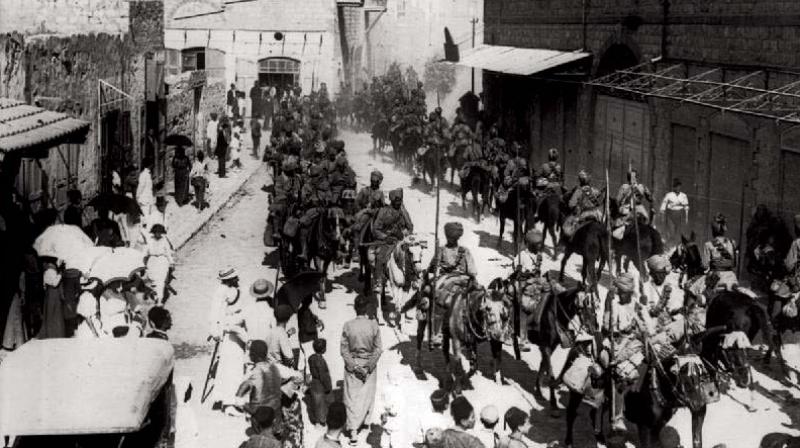
'Colonial' would indicate that the troops were from the 'colonies'.
The Mysore Lancers carried out the last cavalry charge of the 'British' Army.
The Queen's Own Dorset Yeomanry carried out the last cavalry charge by a single English regiment.
 
I'm reading some books, both history and historical fiction about the time period about the time between the napoleon and the Bore Wars. I was never in the military, and have some questions about the :british: army. If I don't ask the question correctly, please bear in mind my ignorance.
  1. I'm somewhat familiar with 'brevet' commissions. In one instance a captain was breveted to a major and then a Lt. Colonel. He served two years at these ranks and was later made a substantive rank of major. It seems that long time and shouldn't the rank be higher?
  2. How common was buying rank? how high of a rank could one buy?
  3. I know that different regiments (?) are called things such as 'fusiliers' and 'foot.' I can Wikipedia that. But, some are called 'colonial'. Please explain this. Is there a standing army and what we call a national guard?
I have more, but , we'll stop with these for now. thanks, capt david


The Flashman series of books may be worth looking at.

Fiction, or were they memoirs?
 
Brevet ranks were basically temporary ranks, often used during times of war. Sometimes they were made substantive but not always. Not generally used now but were used by more than the British Army. For example Custer was a brevet general during the American civil war but returned to his previous rank after. As above, colonial troops came from differing countries in the Empire. These often had predominantly British officers in charge. To obtain a commission in the Army you could buy one, although advancement after depended on who you knew with merit coming somewhat behind in importance. Quite often, titled families sons would seek careers in the army if they were not in line to inherit (ie not the eldest son).
 
Brevet ranks were basically temporary ranks, often used during times of war. Sometimes they were made substantive but not always. Not generally used now but were used by more than the British Army. For example Custer was a brevet general during the American civil war but returned to his previous rank after. As above, colonial troops came from differing countries in the Empire. These often had predominantly British officers in charge. To obtain a commission in the Army you could buy one, although advancement after depended on who you knew with merit coming somewhat behind in importance. Quite often, titled families sons would seek careers in the army if they were not in line to inherit (ie not the eldest son).

A “local” rank that was due mostly to the death in battle of substantive rank that you replaced. You had the responsibility and privilege of the rank but not the pay...

Another “quaint” term of that era was Martinet.

The term Martinet was referenced to the Male who would never inherit, usually the third or fourth son. ( always needed an heir and a spare). We now know this referred to the avian House Martin, a migratory bird that lives in others houses.
 
Best place to learn about the British military of the 19th century is the "Sharpe" series of books by Bernard Cornwell. Very well written "Historical Faction"
 
Back
Top