


Poor old plastic is being demonised by everyone at the moment. Pictures of birds and sea life caught up in plastic bags and fishing nets litter the internet and our televisions and it seems that every eco warrior has jumped on the anti plastic bandwagon that has now become a very profitable business for some.
The word "plastic" stands for pliable and easily shaped. It was invented over 100 years ago but didn't really spring into our daily lives until the 50's. Here's a piece on early plastics from the Science institute:
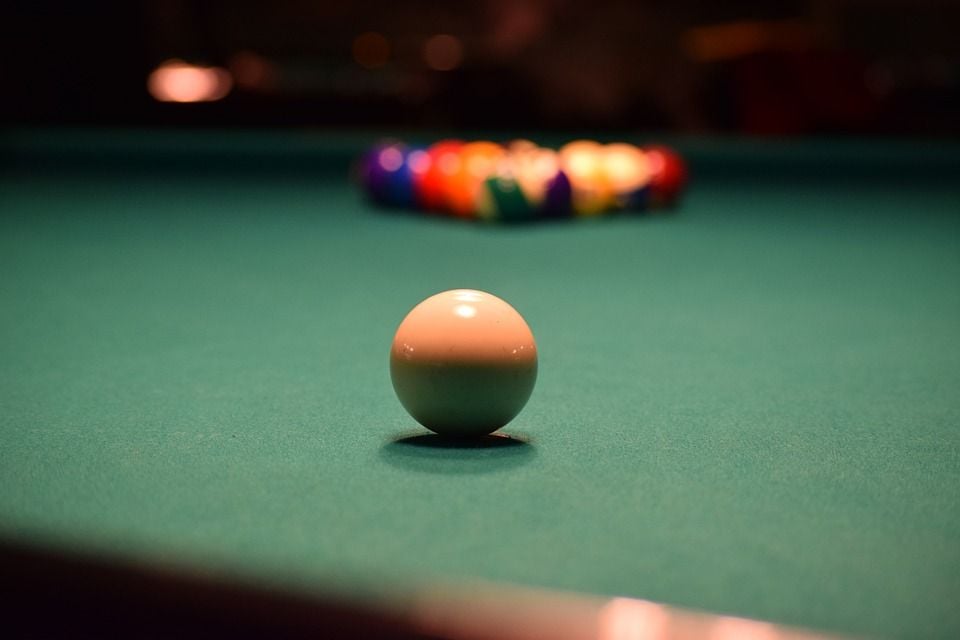
The first synthetic polymer was invented in 1869 by John Wesley Hyatt, who was inspired by a New York firm’s offer of $10,000 for anyone who could provide a substitute for ivory. The growing popularity of billiards had put a strain on the supply of natural ivory, obtained through the slaughter of wild elephants. By treating cellulose, derived from cotton fiber, with camphor, Hyatt discovered a plastic that could be crafted into a variety of shapes and made to imitate natural substances like tortoiseshell, horn, linen, and ivory.
This discovery was revolutionary. For the first time human manufacturing was not constrained by the limits of nature. Nature only supplied so much wood, metal, stone, bone, tusk, and horn. But now humans could create new materials. This development helped not only people but also the environment. Advertisements praised celluloid as the savior of the elephant and the tortoise. Plastics could protect the natural world from the destructive forces of human need.
The creation of new materials also helped free people from the social and economic constraints imposed by the scarcity of natural resources. Inexpensive celluloid made material wealth more widespread and obtainable. And the plastics revolution was only getting started.
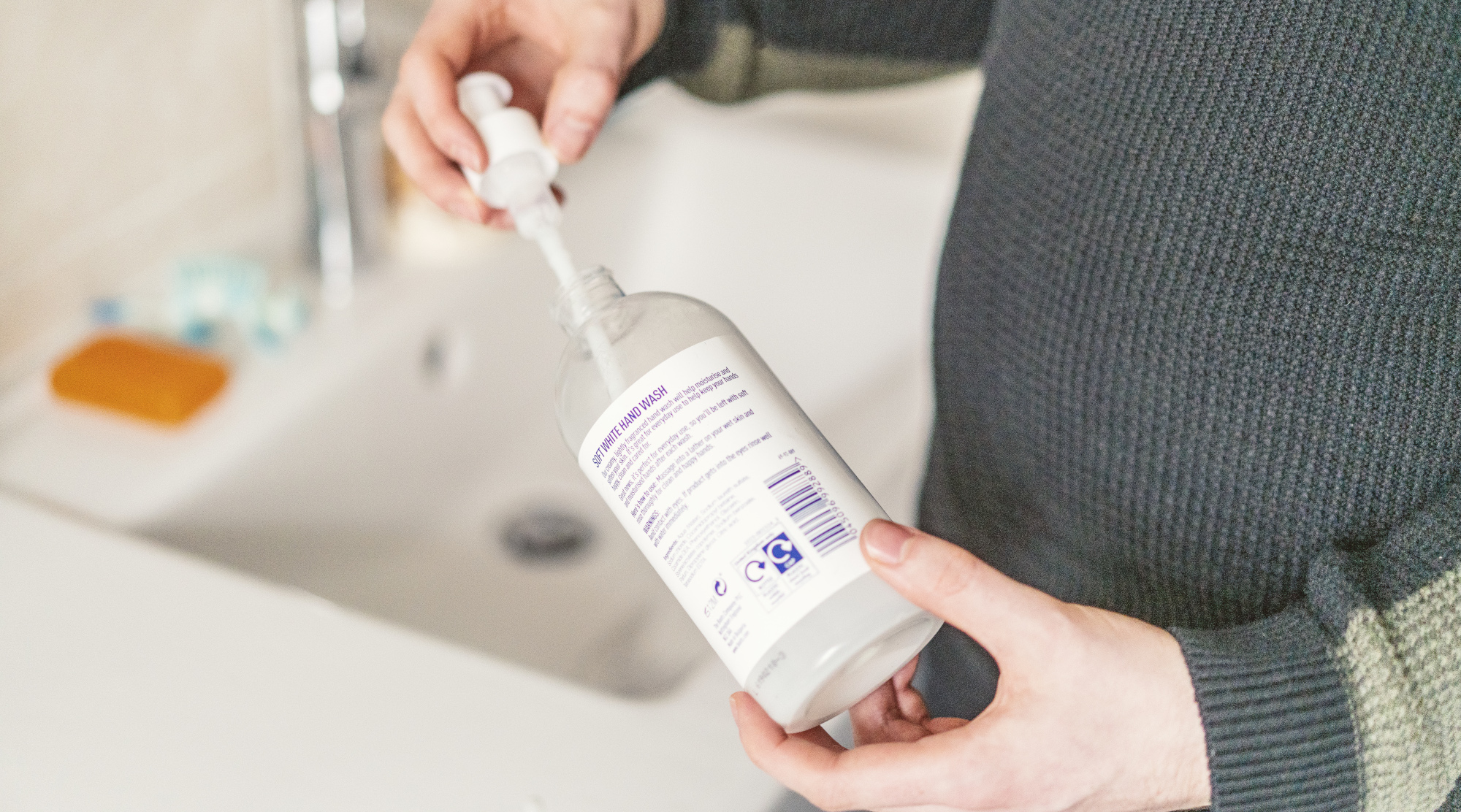
The problem came in the 70's when the dreaded "single use plastic" started to emerge. Supermarkets used it for food packaging, Retailers for carrier bags. Because it is so easy to shape and mould, waterproof, food safe and so many other great properties and so cheap to make we started to make everything out of it. We didn't think about disposal, it just went in the bin when we unwrapped the contents - or out of the car window. Off it went to land fill where it got wind blown all over the countryside and it ran off into oceans. Wildlife got caught up in it, we all got upset by the litter than never degraded and "plastic" took the blame.
The problem has got nothing to do with the plastic. It's our misuse of the material and our behaviour that has caused the problems. Plastic is still today one of the best materials available for all sorts of long term end uses. We would be paying much more for our binoculars, our waterproof jackets, our shooting sticks, our cars, tool boxes, televisions - more items around us than we think - if it wasn't for this wonder material. Many items we enjoy today would not be possible to make without it at anything like an economical cost.
Plastic is to be celebrated - we need to learn not to abuse it.
The word "plastic" stands for pliable and easily shaped. It was invented over 100 years ago but didn't really spring into our daily lives until the 50's. Here's a piece on early plastics from the Science institute:
The first synthetic polymer was invented in 1869 by John Wesley Hyatt, who was inspired by a New York firm’s offer of $10,000 for anyone who could provide a substitute for ivory. The growing popularity of billiards had put a strain on the supply of natural ivory, obtained through the slaughter of wild elephants. By treating cellulose, derived from cotton fiber, with camphor, Hyatt discovered a plastic that could be crafted into a variety of shapes and made to imitate natural substances like tortoiseshell, horn, linen, and ivory.
This discovery was revolutionary. For the first time human manufacturing was not constrained by the limits of nature. Nature only supplied so much wood, metal, stone, bone, tusk, and horn. But now humans could create new materials. This development helped not only people but also the environment. Advertisements praised celluloid as the savior of the elephant and the tortoise. Plastics could protect the natural world from the destructive forces of human need.
The creation of new materials also helped free people from the social and economic constraints imposed by the scarcity of natural resources. Inexpensive celluloid made material wealth more widespread and obtainable. And the plastics revolution was only getting started.
The problem came in the 70's when the dreaded "single use plastic" started to emerge. Supermarkets used it for food packaging, Retailers for carrier bags. Because it is so easy to shape and mould, waterproof, food safe and so many other great properties and so cheap to make we started to make everything out of it. We didn't think about disposal, it just went in the bin when we unwrapped the contents - or out of the car window. Off it went to land fill where it got wind blown all over the countryside and it ran off into oceans. Wildlife got caught up in it, we all got upset by the litter than never degraded and "plastic" took the blame.
The problem has got nothing to do with the plastic. It's our misuse of the material and our behaviour that has caused the problems. Plastic is still today one of the best materials available for all sorts of long term end uses. We would be paying much more for our binoculars, our waterproof jackets, our shooting sticks, our cars, tool boxes, televisions - more items around us than we think - if it wasn't for this wonder material. Many items we enjoy today would not be possible to make without it at anything like an economical cost.
Plastic is to be celebrated - we need to learn not to abuse it.




 .
.


