Lead restriction proposals - public consultation

Conor O'Gorman

Well-Known Member
Last year, a call for evidence on lead ammunition took place under the UK’s post-Brexit chemical regulations referred to as ‘UK REACH’ which covers England, Wales and Scotland (but not Northern Ireland, due to the NI Protocol).

The Health and Safety Executive (HSE) has been working with the Environment Agency to review the evidence submitted. This includes evidence on the uses of lead ammunition; risks to the environment, wildlife and human health; and the availability and viability of alternatives.

The HSE has been tasked as the ‘agency’ under UK REACH to produce a report that outlines the risks posed by lead ammunition. Where it believes those risks to be unacceptable, it has also been asked to propose restrictions to reduce those risks.

It is this ‘restriction dossier’ that is due to be published in April and will be subject to a six-month public consultation. The dossier will cover various uses of lead ammunition outdoors in England, Wales and Scotland.

This is an early heads up for SD members that may not have not read BASC briefings on this and I hope that many of you will get involved in this very important consultation.

Ahead of the consultation feedback most welcome either here, by DM or by email to conor.ogorman@basc.org.uk

For more context see BASC blog below

There is also a wider discussion in latest (Episode 20) BASC podcast here:
 
What, please, I'd ask you to comment on is this.

1) Is there a benefit to SD members (and others) raising the issue of there being a total exemption where the game shot is reserved solely for the personal consumption of the person who has shot it and his or her immediate family?

2) Within 1) as above is there also a benefit in an exemption where that game is gifted to others KNOWN TO THE DONOR who are made aware that it has been shot with lead shot.

3) Will there be an exemption for the use of lead shot for the shooting of pests and can this be itemised for each species on an individual species by species basis....pigeons, magpies, squirrels, rats, foxes and etc., etc..?

4) Why have the less restrictive lead shot rules that apply in New Zealand (see below) and particularly what those regulations define as "open water". Is it worth contributors to the survey drawing attention to New Zealand legislation. AND THEIR .410" EXEMPTION.


WHO'S AFFECTED​

  1. ALL waterfowl hunters including private landowners hunting on their own property
  2. ALL waterfowl hunters hunting or killing waterfowl within 200m of water
  3. ALL hunters of waterfowl (swans, ducks and pukeko)

WHO'S EXEMPTED

  1. ALL hunters of upland game (all quail and pheasants) are exempted. That's because research has shown these birds are not affected because the shot "in the uplands" is so widely dispersed
  2. Users of a .410 bore shotgun
  3. All hunters who pass the "200m rule test" (see below)

200 METRE RULE TEST​

  • If you're hunting waterfowl (swans,geese, ducks and pukeko), MORE THAN 200 metres from a water body, which is taken as any stream, river, lake or tidal area, "more than 3m wide," you can continue to use lead shot, if you wish. Lead shot that falls on land away from water is not a significant risk to waterfowl
  • If you are within 200m of a waterway, over 3 metres in width, and while upland game bird hunting with lead and encounter a duck, then either don't shoot at it with lead or cover your risk by using only non-toxic shot
  • If you are hunting BOTH upland AND waterfowl within 200m of a waterway, more than 3m in width, then you must use ONLY non-toxic shot
  • If you are hunting waterfowl within 200m of a waterway, more than 3 metres wide and you are in possession of BOTH lead and non-toxic ammunition you will be prosecuted. If your intention was to hunt upland game later with lead shot, or to hunt waterfowl with lead later beyond the 200m rule, you need to be completely unambiguous about this. For instance, by keeping the lead ammunition back in the vehicle when you are hunting waterfowl within the 200m zone
  • If you hunt in a tidal area, then the 200m rule applies from the Mean High Water Mark. So you may be 500 metres away from the water's edge at low tide, but this is not a defence. Similarly, if you're hunting next to floodwaters it is the edge of the floodwater at that time that you measure the 200m from.


Open water is defined as any stream, river, lake, wetland or tidal area more than three metres wide. If you hunt in a harbour, foreshore, estuary or other tidal area, then the 200m rule applies from the Mean High Water Mark.

A sub-gauge shotgun is one that uses 16 gauge, 20 gauge, 24, gauge, 28 gauge, 32 gauge or .410 shells. The requirement to use non-toxic pellets for waterfowl hunting applies to all these shotguns except the .410 bore.

Fish & Game recognises the .410 shotgun is used by beginner hunters as a stepping stone into game bird hunting. Its lighter weight gun, smaller shells and ease of handling make it suitable for younger and smaller stature hunters. Because of this and the fact non-toxic shells for .410 are not readily available internationally, .410 shotgun users will be allowed to continue using lead for waterfowl hunting.


5) Lastly there is a perception, a suspicion, a "feeling" that BASC's postion on lead shot has been reversed owing to what is said to be a substantial funding of the British Game Alliance. That this is a "mask" to protect "big bag" commercial shooting at the expense of the pot hunter, the small syndicate where all game is shared, the pigeon shooter and, yes, even the rat shooter around their chicken run.

Can BASC assure categorically that there has been no such influence even in the smallest degree on its volte face on lead shot owing to this supposed BGA connection?
 
Last edited:
I post this separately as in itself it is important IMHO to merit its own post. And again IMHO shows why many including myself are disappointed with what BASC has "volunteered" on to us as New Zealand save for use on wildfowl near "open water" continues (and will continue) to allow lead shot on non wildfowl species. ALL clay target shooting and ALL farm pest control is exempt as New Zealand Fish & Game was successful in having this extreme requirement softened.

Their 200 metre rule recognises that lead is not a problem away from waterways. And yes whilst there is a lead shot ban on wildfowl in England and Wales for a good few decades a review can work BOTH WAYS and maybe we ought to use this review to ask that the lead shot ban in England and Wales be altered along similar lines to that of New Zealand?

In New Zealand, waterfowl hunters must use non-toxic shot if they are hunting over open water, or within 200 metres of open water. In the United States and Canada, non-toxic shot must be used for all waterfowl hunting, and in some cases, also for hunting upland game such as pheasant and quail. Australia too requires non-toxic shot for waterfowl hunting. In England, non-toxic shot must be used when hunting any waterfowl, even over land. Such tight restrictions are not presently being considered in New Zealand.

You can use lead shot to hunt ducks in grass paddocks or over stubble as long as you are more than 200 metres from water.

No matter what gauge shotgun you are using, you can continue to hunt pheasant and quail with lead shotshells. However, from 2021, if the waterfowl season is still open when you are upland game hunting, you will not be able to be in possession of lead shot to hunt both waterfowl and upland game at the same time. This is the rule which already exists for 10 and 12 gauge shotgun owners and will simply be extended to sub-gauge users once the new restrictions come into force.
 
Last edited:
Some years ago, the Wildfowl & Wetlands Trust & RSPB conducted a Lead Impact Survey relating to the impact of lead shot on wildfowl. Despite much gnashing of teeth, breast-beating, wailing, and vociferous condemnation of lead, the 'evidence' the survey provided was never actually presented to the Lead Action Group that it pressured the government to set up in the first place. . . . . .

As the LAG contained a good few representatives who actually know what they're talking about, a few absolute howlers were uncovered:

Namely, that the statements made by the WWT to the effect that 'thousands' of post mortems have shown lead ingestion to be a major cause of death are in fact total fantasy. What they were at pains to hide are the facts that a) only 2500 birds were actually post-mortemed, and b) that only 251 were affected in any way by lead (merely due to elevated systemic levels as opposed to lead ingestion being the actual cause of death)

What they also completely failed to mention was that the testing took place over a 40-year period leaving the not-so-horrifying statistic of 6 birds a year being killed through lead poisoning. Another salient fact they also failed to mention is that this testing was carried out over their own reserves, where shooting has actually been curtailed for many decades!

Lead-poisoning identifying criteria are apparently notoriously vague, and most of the symptoms may have alternative causes, so for the WWT to immediately jump on the lead-poisoning bandwagon is extremely misleading and deviously self-serving.

Another very interesting point that the WWT would prefer us not to find out about is that the most common source for lead ingestion across the spectrum is actually the consumption of cereals, potatoes and grain . . . . . which, interestingly, the WWT has been providing to its feathered friends by the tonne for decades.

Be interested to hear comments . . . . .
 

The Norwegian view of lead in this presentation is significantly different from our own shooting organisations - brought on obviously by EU proposals. Now we are NOT in the EU, presumably we can choose, based on EVIDENCE - like Norway.
BASC will have to eat humble pie though - "no evidence - no change" will be back.
For any organisation to say it knows best is suicide. In this case maybe all will relent and banish the spectre of John Swift from shooting for ever - but I doubt it.

BASC's response in 2020 was typically unsupportive and excused the Norwegians on the grounds that their hunting was 'different' to UK - obviously Norwegians dont shoot clays at clay grounds.
 
BASC will have to eat humble pie though - "no evidence - no change" will be back.
For any organisation to say it knows best is suicide. In this case maybe all will relent and banish the spectre of John Swift from shooting for ever - but I doubt it.

One would think, aye.

But no, it seems. Despite numerous members of this site declaring 'I'm leaving BASC!' it seems the organisation remains unfazed.

Wonder how many members they have lost since their decision to no longer provide comprehensive insurance? :-|

Maybe they have found an alternative source of income to pursue their aims, which seemingly defeat those of most shooters and stalkers?

Perhaps Wild Justice has become their secret benefactor? :rofl:
 
What, please, I'd ask you to comment on is this.

1) Is there a benefit to SD members (and others) raising the issue of there being a total exemption where the game shot is reserved solely for the personal consumption of the person who has shot it and his or her immediate family?

2) Within 1) as above is there also a benefit in an exemption where that game is gifted to others KNOWN TO THE DONOR who are made aware that it has been shot with lead shot.

3) Will there be an exemption for the use of lead shot for the shooting of pests and can this be itemised for each species on an individual species by species basis....pigeons, magpies, squirrels, rats, foxes and etc., etc..?

4) Why have the less restrictive lead shot rules that apply in New Zealand (see below) and particularly what those regulations define as "open water". Is it worth contributors to the survey drawing attention to New Zealand legislation. AND THEIR .410" EXEMPTION.


WHO'S AFFECTED​

  1. ALL waterfowl hunters including private landowners hunting on their own property
  2. ALL waterfowl hunters hunting or killing waterfowl within 200m of water
  3. ALL hunters of waterfowl (swans, ducks and pukeko)

WHO'S EXEMPTED

  1. ALL hunters of upland game (all quail and pheasants) are exempted. That's because research has shown these birds are not affected because the shot "in the uplands" is so widely dispersed
  2. Users of a .410 bore shotgun
  3. All hunters who pass the "200m rule test" (see below)

200 METRE RULE TEST​

  • If you're hunting waterfowl (swans,geese, ducks and pukeko), MORE THAN 200 metres from a water body, which is taken as any stream, river, lake or tidal area, "more than 3m wide," you can continue to use lead shot, if you wish. Lead shot that falls on land away from water is not a significant risk to waterfowl
  • If you are within 200m of a waterway, over 3 metres in width, and while upland game bird hunting with lead and encounter a duck, then either don't shoot at it with lead or cover your risk by using only non-toxic shot
  • If you are hunting BOTH upland AND waterfowl within 200m of a waterway, more than 3m in width, then you must use ONLY non-toxic shot
  • If you are hunting waterfowl within 200m of a waterway, more than 3 metres wide and you are in possession of BOTH lead and non-toxic ammunition you will be prosecuted. If your intention was to hunt upland game later with lead shot, or to hunt waterfowl with lead later beyond the 200m rule, you need to be completely unambiguous about this. For instance, by keeping the lead ammunition back in the vehicle when you are hunting waterfowl within the 200m zone
  • If you hunt in a tidal area, then the 200m rule applies from the Mean High Water Mark. So you may be 500 metres away from the water's edge at low tide, but this is not a defence. Similarly, if you're hunting next to floodwaters it is the edge of the floodwater at that time that you measure the 200m from.


Open water is defined as any stream, river, lake, wetland or tidal area more than three metres wide. If you hunt in a harbour, foreshore, estuary or other tidal area, then the 200m rule applies from the Mean High Water Mark.

A sub-gauge shotgun is one that uses 16 gauge, 20 gauge, 24, gauge, 28 gauge, 32 gauge or .410 shells. The requirement to use non-toxic pellets for waterfowl hunting applies to all these shotguns except the .410 bore.

Fish & Game recognises the .410 shotgun is used by beginner hunters as a stepping stone into game bird hunting. Its lighter weight gun, smaller shells and ease of handling make it suitable for younger and smaller stature hunters. Because of this and the fact non-toxic shells for .410 are not readily available internationally, .410 shotgun users will be allowed to continue using lead for waterfowl hunting.


5) Lastly there is a perception, a suspicion, a "feeling" that BASC's postion on lead shot has been reversed owing to what is said to be a substantial funding of the British Game Alliance. That this is a "mask" to protect "big bag" commercial shooting at the expense of the pot hunter, the small syndicate where all game is shared, the pigeon shooter and, yes, even the rat shooter around their chicken run.

Can BASC assure categorically that there has been no such influence even in the smallest degree on its volte face on lead shot owing to this supposed BGA connection?
Need an exemption for 28gauge as well as .410 please.
 
I hope when the HSE consider the alternatives to lead, they consider availability, cost and production process impact on the environment.

The cost of steel since the war in Ukraine has apparently increased by 300% as much was exported by both Ukraine and Russia. Then their is insufficient steel shot manufacturing capacity to meet the needs of a total ban on lead shot within the U.K. and other markets even if proved justifiable. Apparently all steel shot is manufactured in China.
 
I hope when the HSE consider the alternatives to lead, they consider availability, cost and production process impact on the environment.
I think you hope in vain.
They are not remotely bothered about alternatives, in fact, my belief is that they hope this course of action limits the amount of people participating in shooting sports.

And I honestly believe this is BASCs position too.
 
I think you hope in vain.
They are not remotely bothered about alternatives, in fact, my belief is that they hope this course of action limits the amount of people participating in shooting sports.

And I honestly believe this is BASCs position too.

all dealing I have had over many years now with the HSE have been a very positive experience I think they have no hidden agenda and act professionally unlike some parties within the shooting industry.
 
@enfieldspares

As I outlined in the blog and in the podcast I think the proposed restrictions will be about reducing the environmental impact of lead shot. So perhaps its not going to be about whether the lead shot pheasant, pigeon etc is destined for a game dealer or for personal consumption - perhaps its going to be more about looking at the amount of lead shot being dispersed into the environment as a result of shooting at those pheasants, pigeons etc and for the HSE to look at how best to reduce the volume of that lead shot dispersal? So, perhaps consider it from that perspective rather than a game meat perspective? After all, is it not market forces that are already driving a move away from the use of lead ammunition to kill small and large game - not legislation?

New Zealand has found its own logical solution in reducing the main environmental risks of lead shot used for its unique shooting activities and habitats. You will have noted no reference to legislation restricting the sale of lead shot small game.

I think we will need to ensure that the proposals arising from the UK REACH process - which will culminate in a report to the secretary of state around March/April 2023 - are targeted at reducing the main environmental risks of lead shot used for our unique shooting activities and habitats - that they are proportionate and will not damage shooting. If not, then we will need to all work together to lobby for them to be revised.

Would you agree that any further restrictions must not be imposed until effective and affordable types of non-lead ammunition are available in sufficient volumes to meet demand?

Would you agree that it is essential that any restrictions on lead ammunition do not result in less people participating in shooting due to a lack of ammunition for their guns and shooting disciplines?

@Woodsmoke

The latest information from WWT is here:


For published evidence a good starting point to work back from would be the 2019 Ambio Special Issue: Lead in Hunting Ammunition: Persistent Problems and Solutions here:


The evidence of the impacts of lead shot on the environment are growing and Game and Wildlife Conservation Trust has reviewed all that evidence thus far and their assessment is here:

www.gwct.org.uk/policy/briefings/lead-ammunition/

Kes/triton

In 2014, Norway re-introduced lead shot for live quarry hunting outside wetlands after a lengthy campaign by the Norwegian Association of Hunters and Anglers. Their argument at the time described the lack of risk, away from wetlands, associated with the predominantly low-density type of shooting that takes place in Norway.

So, New Zealand found their logical solution for their shooting activities, as did Norway - my question to you is, for shooting activities in England, Wales and Scotland - given the evidence, and mindful of not damaging shooting, what restrictions on lead shot would you support?

@Liveonce

I agree. If we were faced with a blanket ban on lead ammunition then exemptions would be required for shotguns, rifles and airguns. As outlined in the blog and podcast.
 
The most logical way in my mind to reduce lead in the environment is to bring a lead cartridge limit in. Eg 250 lead cartridges per annum per person.
The problem is not the lone hunter shooting a few for the pot. Its the commercial shoots that have thousands of shots every day.
 
Thanks @nic.308 I would be interested in your thoughts on how a lead shot cartridge limit would be enforced.

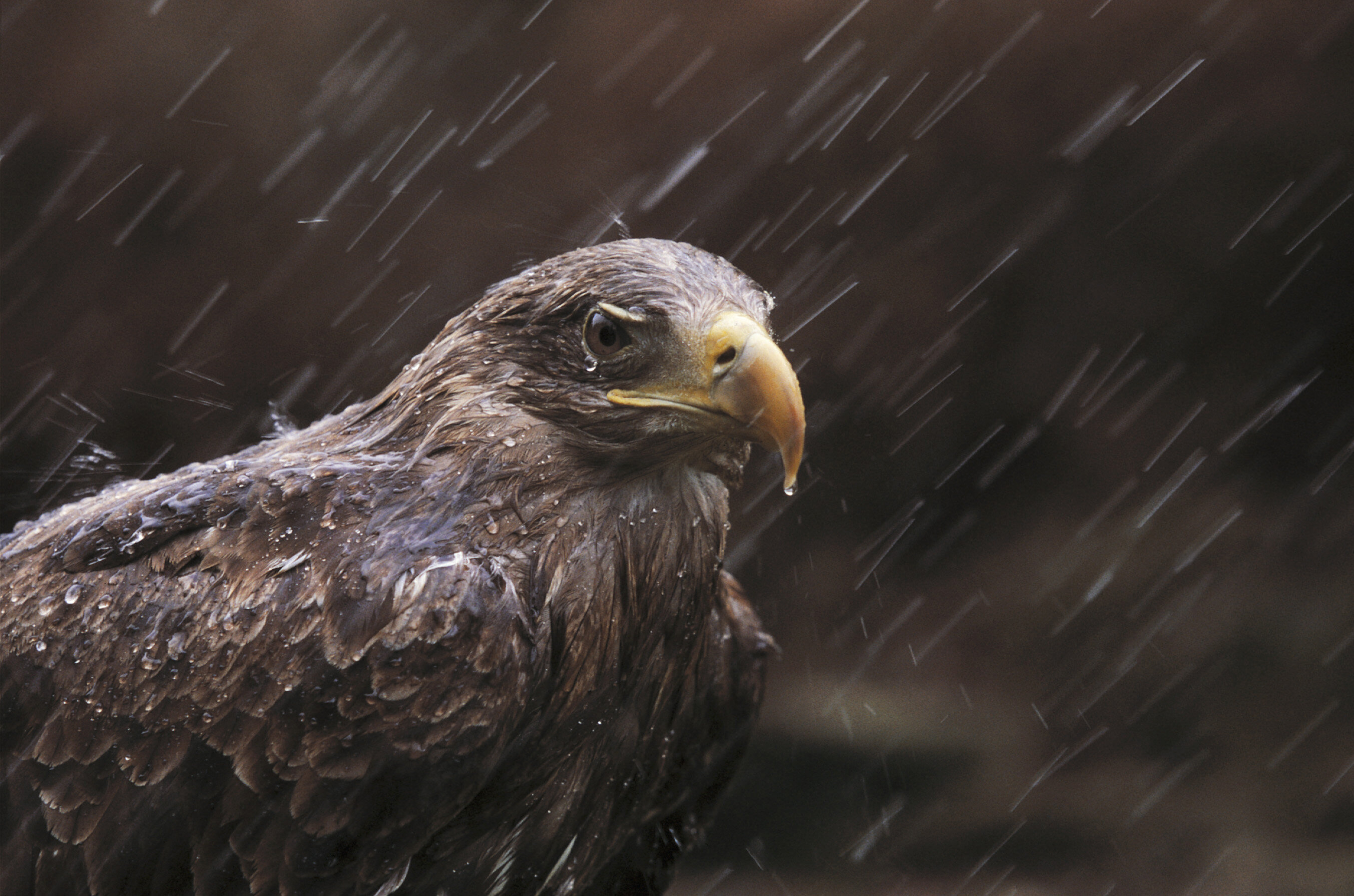
Research conducted by Cambridge University and RSPB on lead levels in the livers of 3,000 birds of prey has been published today as follows:

The impact of lead poisoning from ammunition sources on raptor populations in Europe, Science of the Total Environment (2022).


Reporting here:


Quote in iNews "A spokesperson for the Environment Department said: “Plans are in place to implement a full ban and the Government will set out proposals for next steps in spring 2022. This will mark a significant move forward in helping to protect wildlife, people, and the environment.”
 
The most logical way in my mind to reduce lead in the environment is to bring a lead cartridge limit in. Eg 250 lead cartridges per annum per person.
The problem is not the lone hunter shooting a few for the pot. Its the commercial shoots that have thousands of shots every day.

Rationing food, fresh water, energy, and all other areas of human consumption, work and activity would also have environmental benefits.
Would you also favour rationing across the board?
 
@Woodsmoke

The latest information from WWT is here:

Thanks for the response. Not trying to be deliberately confrontational, but given the duplicity of the WWT in the past what credence can really be given to any report they issue that contains statements such as:

'nationally - using data from various sources - estimate up to 400,000 wildfowl suffer from poisoning every winter in the UK, 0f which 50 -100,000 die'

If they have data, why is this estimated? Why a 50% aberration in the fatalities estimate?

'Long-term waterbird health surveillance'. Over what term? They cite 10% deaths by lead poisoning? 10% of what? 50 birds? A million?

Interestingly, they then go on to state that the most commonly-affected birds are migratory species. Have they then conducted investigations into systemic lead levels in non-migratory species in the countries concerned?

I'm quite prepared to be amenable to reasonable argument, but the entire premise strikes me as being based on extremely questionable 'evidence'

 
I cannot understand why rifle ammunition is being grouped with shotgun , their use and effects on the environment are radically different .
With a move toward low and no til' land preparation it makes absolute sense for a move away from the use of lead in shotguns when shooting game and pests over land . A very average day decoying pigeons , using four boxes of cartridges , would result in the scattering of 3Kg of lead .
Rifle shooting , by comparison , must be responsible for depositing tiny amounts of lead onto the surface off the land . If rifle ammunition is to be included , then surely it should only be in relation to food safety where the meat is to be eaten by another . I find it difficult to believe that raptors are at risk from the lead deposits from bullets and would like to think the shooting organisations would agree , unless of course they are accusing their members of failing to dispose of grallochs , etc responsibly.
I use both shotgun and rifle .
One other point , the shooting organisations called this a voluntary move to lead free ammunition , some off us are vehemently opposed to a wholesale ban and I for one don't recall being asked .
 
Rationing food, fresh water, energy, and all other areas of human consumption, work and activity would also have environmental benefits.
Would you also favour rationing across the board?

so would population reduction/control 😂

basc appear happy to align themselves with anything that helps justify their transition to non toxic shot and biodegradable wads. A total ban on lead shot risks the future of shooting given the significant increase in cartridge prices, less people will shoot which will then drive up prices even more as retailers and manufactures try to make up the lost turnover from the few still shooting. Likely the end of .410 and 28gauge for most.

Without naming brands this is the current trade price of one example of a non toxic high performance steel shot, biodegradable wad cartridge before delivery costs and the retailer profit and VAT are added

£397.00 per 1000
 
The most logical way in my mind to reduce lead in the environment is to bring a lead cartridge limit in. Eg 250 lead cartridges per annum per person.
The problem is not the lone hunter shooting a few for the pot. Its the commercial shoots that have thousands of shots every day.
Actually in a way yes. But by making it illegal to sell in the UK cartridges containing of any bore carrying more than 29 gram or 30 gram (the equivalent of the Imperial 1 ounce and 1 1/16 ounce) loads. The argument being that more than that weight are primarily wildfowl loads and that as in England and Wales lead is illegal for such then it won't affect too many. And for clay pigeon 28 gram has long been the maximum allowed in competition and thus by common use even outside of competition on most clay grounds. Scotland as I assume would make its own law can opt out.
 
Actually in a way yes. But by making it illegal to sell in the UK cartridges containing of any bore carrying more than 29 gram or 30 gram (the equivalent of the Imperial 1 ounce and 1 1/16 ounce) loads. The argument being that more than that weight are primarily wildfowl loads and that as in England and Wales lead is illegal for such then it won't affect too many. Scotland as I assume would make its own law can opt out.

that would upset the so called high bird game shoots who use heavy lead loads.
 
Back
Top