


maximus otter
Well-Known Member
The term ‘gamey’ often feels infuriatingly imprecise. It is somehow both positive and pejorative, used in one breath to describe unconventional meats at high-end restaurantsand in another to decry an unpalatable or off dish. People can’t seem to agree what types of meat qualify as gamey, or even how to define the flavor.
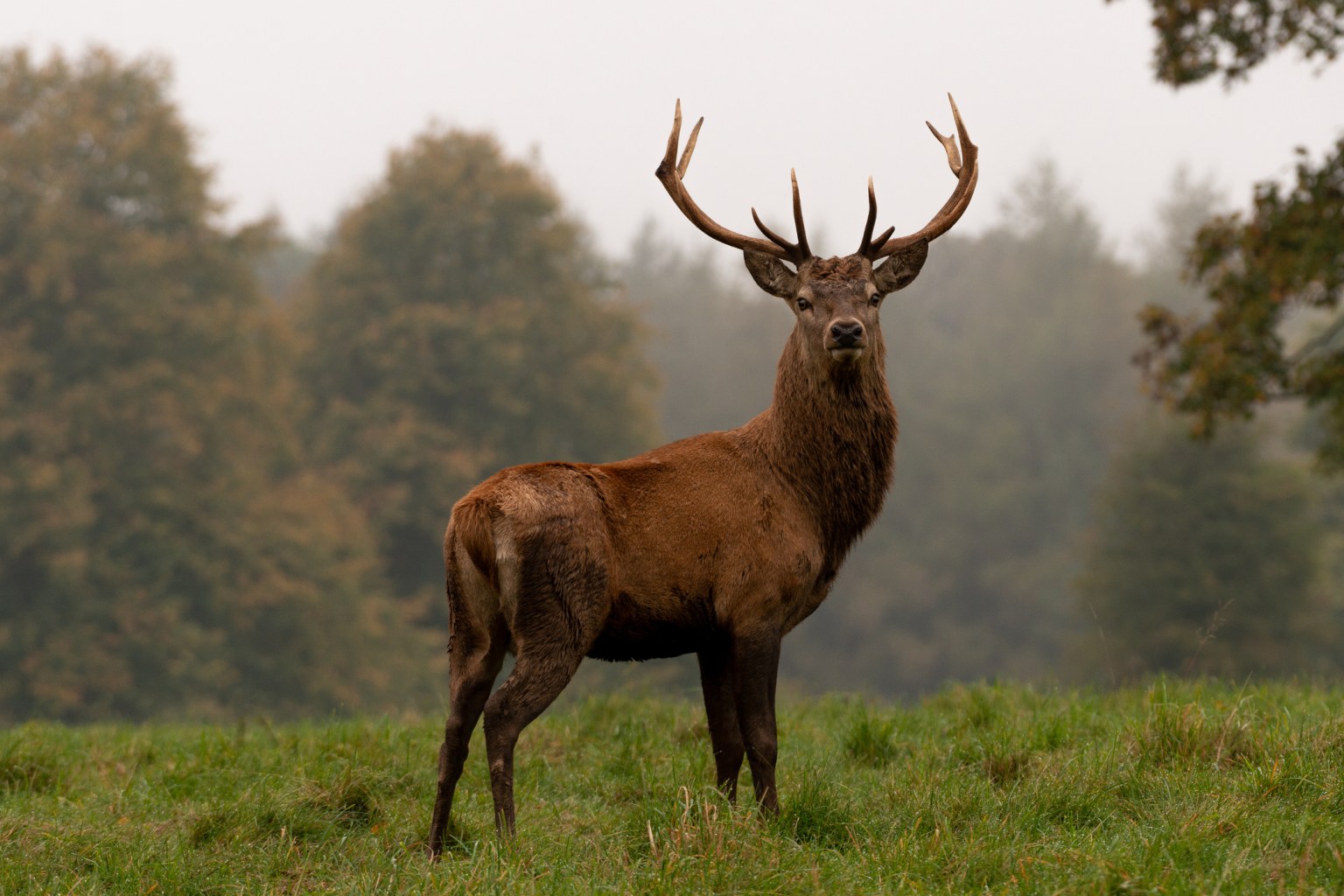
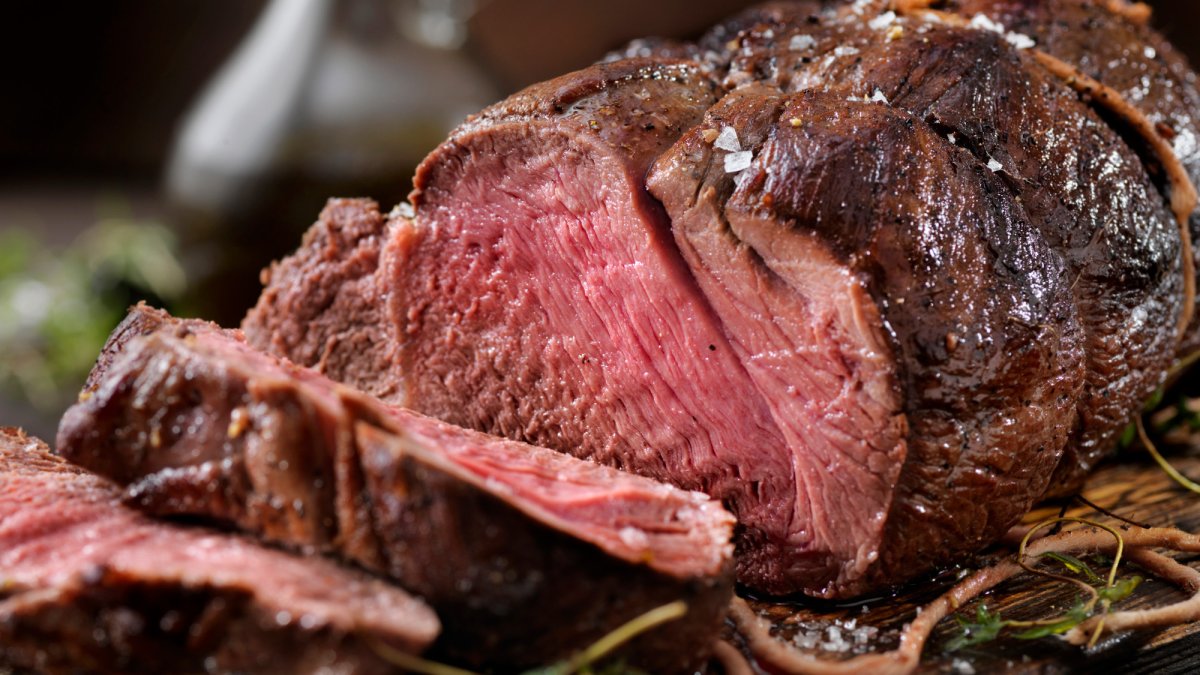
Gamey is a catchall term. Originally, it referred to the unique characteristics of wild, hunted animals, which are already extremely diverse. But it now describes meat that is especially tough, lean, grassy, earthy, nutty, sour, metallic, or generally pungent. At its broadest, it covers any texture or flavor that isn’t common in a food system, which for most [people] means anything other than the tender, factory-farmed beef, pork, and poultry.
The more an animal uses a part of its body, he explains, the more red muscle
fiber it develops to supply it with blood and generate power. So the darker the hue, the more of a gamey, “somewhat metallic or bloody-serumy flavor,” you’re going to get in the meat.
Even the reddest industrially farmed meat, like “bright cherry red” beef, won’t taste gamey to most people, “not because of the color of the meat, but because of the mostly grain diet” we feed livestock.
“Wild animals, and farm animals allowed to forage without being fed grain, will produce meat that has a different fatty acid profile,” Kerth explains. Usually, wild animals’ varied diets create a healthy mix of unsaturated fats in their tissue. When cooked, Gagaoua adds, these fats break down to “produce flavors described as tallowy, grassy, or fishy”—the sort of flavors you might associate with pasture-grazed mutton or an old wild goose.
What’s more, aromatic compounds (the chemical building blocks of smells) in the foods animals eat often make it through digestion and into fat deposits. Those compounds impart subtle flavors to the animal’s meat, reflecting what it ate throughout its life.
Likewise, we know that both long-term stress and moments of acute fear right before an animal is killed can have a range of effects on meat tenderness and taste.
 www.popsci.com
maximus otter
Gamey is a catchall term. Originally, it referred to the unique characteristics of wild, hunted animals, which are already extremely diverse. But it now describes meat that is especially tough, lean, grassy, earthy, nutty, sour, metallic, or generally pungent. At its broadest, it covers any texture or flavor that isn’t common in a food system, which for most [people] means anything other than the tender, factory-farmed beef, pork, and poultry.
What does ‘gamey’ really mean?
“In relatively simple terms, gamey-ness is most related to the intensity of the red color of meat,” Chris Kerth, a professor of meat science at Texas A&M University, tells Popular Science.The more an animal uses a part of its body, he explains, the more red muscle
fiber it develops to supply it with blood and generate power. So the darker the hue, the more of a gamey, “somewhat metallic or bloody-serumy flavor,” you’re going to get in the meat.
What causes gaminess
Heavy muscle use also leads to lean and tough meat, which some may describe as gamey.Even the reddest industrially farmed meat, like “bright cherry red” beef, won’t taste gamey to most people, “not because of the color of the meat, but because of the mostly grain diet” we feed livestock.
“Wild animals, and farm animals allowed to forage without being fed grain, will produce meat that has a different fatty acid profile,” Kerth explains. Usually, wild animals’ varied diets create a healthy mix of unsaturated fats in their tissue. When cooked, Gagaoua adds, these fats break down to “produce flavors described as tallowy, grassy, or fishy”—the sort of flavors you might associate with pasture-grazed mutton or an old wild goose.
What’s more, aromatic compounds (the chemical building blocks of smells) in the foods animals eat often make it through digestion and into fat deposits. Those compounds impart subtle flavors to the animal’s meat, reflecting what it ate throughout its life.
Likewise, we know that both long-term stress and moments of acute fear right before an animal is killed can have a range of effects on meat tenderness and taste.
Why some meat tastes gamey
Lots of factors contribute to the complex tastes people love—or loathe.
www.popsci.com
maximus otter


