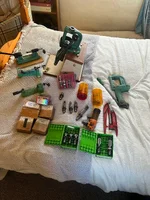
Crimp or not to crimp

An American winning the Supporter's Drawing??? Unheard of! ~Muir
Yep - bit like an Ulster man winning it too!
Still the excitement is building and those incredibly handsome admin chaps are soooo very nice too….
🦊🦊
 
I guess the only way is to try it and see. If you have access to a chronograph then use it whilst shooting groups for each load from a bench and look for improved ES and SD as well as group size.
Personally I crimp heavy recoiling rifle cartridges of .375 or over but not below
 
I never crimp ! I want 2-4 tho" interference fit ideally . This is with modern std cartridges and good straight rounds created in quality dies and premium brass. Crimps work often because they are easy to get better concentricity of the bullet to bore when using poorer quality brass and dies .
 
Crimping, as I mentioned, has an important place in a double rifle where you may fire the right barrel ONLY a number of times yet there is always a round...the same round...in the left barrel. As sometimes the continued repeated recoil will be enough to eventually work the left barrel bullet loose from its case. In revolvers, again, if not crimped or "coned" as the British Textbook of Smallarms calls it the bullet can come loose on the sixth cartridge. On the Webley .455 the pull weight to be imposed by the crimp to stop these bullet coming loose from its case was specified as something like twenty-four pounds dead weight. This potential coming loose is usually always worst with heavy bullets and especially heavy bullets of large diameter I have found. Again it can supposedly happen in a conventional magazine rifle if you were, say culling, but "topped up" the magazine each time a shot was fired.
 
Crimping, as I mentioned, has an important place in a double rifle where you may fire the right barrel ONLY a number of times yet there is always a round...the same round...in the left barrel. As sometimes the continued repeated recoil will be enough to eventually work the left barrel bullet loose from its case. In revolvers, again, if not crimped or "coned" as the British Textbook of Smallarms calls it the bullet can come loose on the sixth cartridge. On the Webley .455 the pull weight to be imposed by the crimp to stop these bullet coming loose from its case was specified as something like twenty-four pounds dead weight. This potential coming loose is usually always worst with heavy bullets and especially heavy bullets of large diameter I have found. Again it can supposedly happen in a conventional magazine rifle if you were, say culling, but "topped up" the magazine each time a shot was fired.
Run a test using crimped and uncrimped loads using new same-lot brass,powder, primers and bullets, loaded on the same equipment at the same session. At least 10 of each. Usually, Smaller ES and SD will come from the crimped loads. I have repeated this test many times with Hornet, 222, and 5.56. Lee FCD is a must

That you need a crimp on heavy loads or revolvers is not up for despute. I load a lot of thumper ammo and a crimp is necessary for functional reasons. The reverse logic (light bullets, negligible recoil) doesn't hold up when put to the test. Hornet owners who crimp have usually seen dramatic improvements in their loads. ~Muir
 
Back
Top