I think you have misunderstood my point!
I am well aware that more velocity equates to more energy, that bullets that zing off are tumbling and therefore bleeding energy quickly and that richoets that you are not aware of happen and are more dangerous than those you can hear!
My point is velocity and a frangible bullet is far safer than a slow bullet that holds together and only distorts slightly, any body who thinks that .17 HMR bullet break up on a blade of grass is quite frankly stupid or doesn't do much shooting!! But shot at a suitable angle at the ground the bullet will normally either break up in the animal or in contact with the ground, it does not have to turn to dust (like Barnes Varmint grenades are supposed to). High velocity and a thin jacket is far less of a ricochet risk than low velocity lead or high velocity solid, that is just a fact of life.
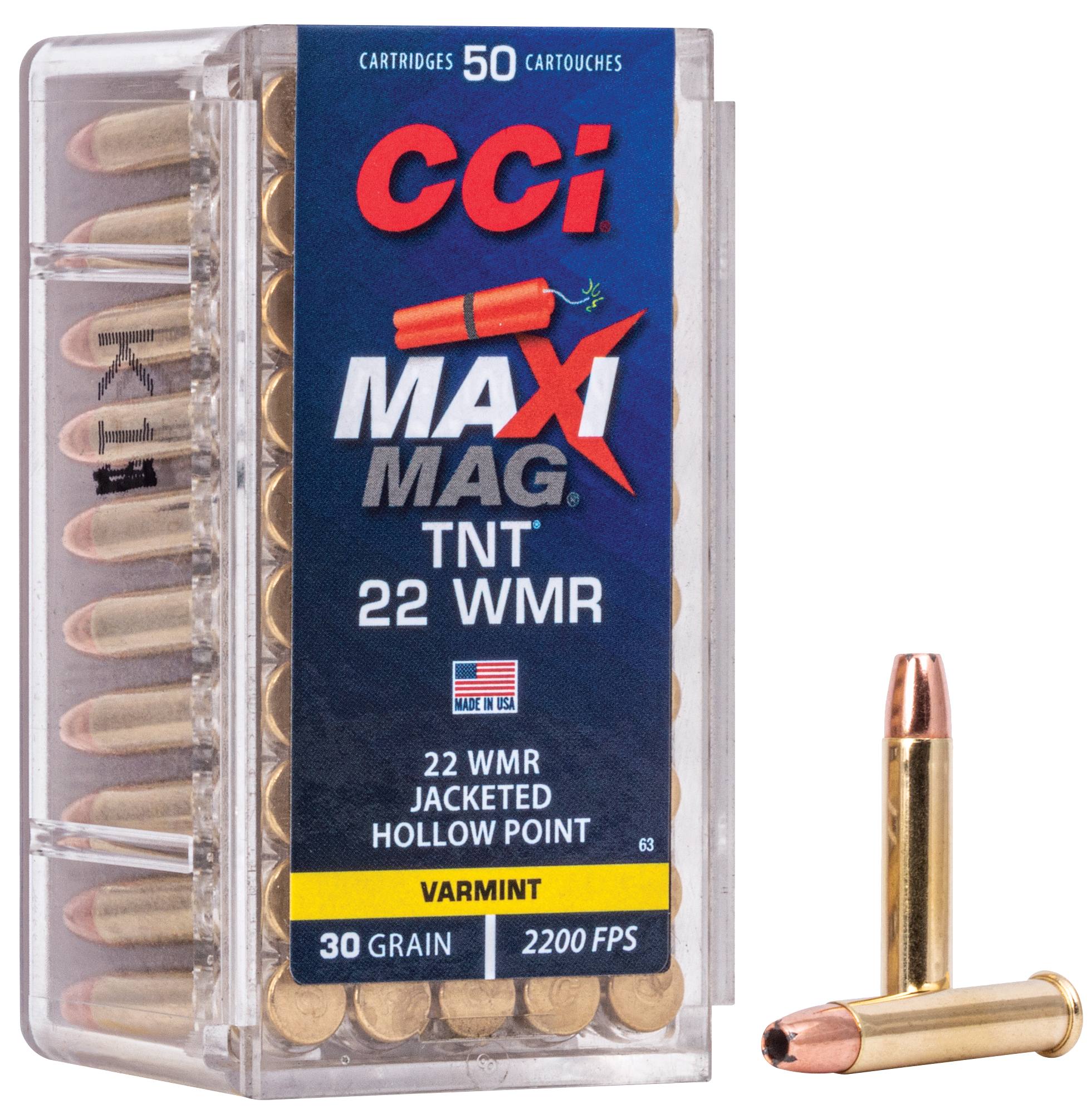
That fox last night was shot with one of these
Shopping for the Maxi-Mag TNT, 22 WMR, 30 Grain, TNT Jacketed Hollow Point, 2200 fps - Learn more about the latest Maxi-Mag TNT and other hunting or shooting gear at CCI.

www.cci-ammunition.com
They are shaped like an egg cup, the expand so violently that pass through on rabbits are rare and I would not even consider a chest shot on a fox as they may break up on a rib and not kill instantly.
You clearly don't know your rimfires all that well, WMR is the parent case of HMR, it shoots a heavier bullet (25-50 grains) and therefore has much less muzzle velocity than the HMR, still, using a suitably constructed bullet at high velocity (relative term, but for a rimfire) greatly reduces ricochet risk though it will never completely remove it.
My point is supersonic there are already alternatives wise , Hornady's NTX for example in HMR and WMR, but for subsonic the .22LR will always be king and 0.22 LR moderated with subs it is a very useful vermin round for all sorts of situations where sound of a supersonic round may be an issue.







 . I can hear your key boards tapping from here!