Why are more people getting Lyme Disease

Because sheep dipping is no longer compulsory.
They have also changed to a more "H&S acceptable" chemical that is apparently not so safe for the environment. And from what i had been told has less affect on the parasites like Ticks, either not having the longevity of the previous chemical or does not kill the eggs. Cant quite remember exactly but im sure any moment we know exactly 👍
 
They have also changed to a more "H&S acceptable" chemical that is apparently not so safe for the environment. And from what i had been told has less affect on the parasites like Ticks, either not having the longevity of the previous chemical or does not kill the eggs. Cant quite remember exactly but im sure any moment we know exactly 👍
None of the chemicals - either past or present - that are applied to sheep against ticks will kill the eggs, because ticks lay their eggs on the ground.

There are a number of available products, including dip, that are effective at controlling ticks, and once treated, sheep "mop up" ticks from the vegetation.
The problem lies in the fact that when twice yearly dipping was compulsory (against sheep scab) every single sheep in the country was treated within a specified time window, and then spent the next few months (or as long as the product remained active in their fleece) mopping up ticks. But now a lot of sheep aren't treated at all, so not so much tick mopping occurs.
 
My farmer has just let on that he was late treating for fluke, and has paid the price, I am going over tomorrow night to check out what is dragging odd dead uns across the fields.:(
 
My farmer has just let on that he was late treating for fluke, and has paid the price, I am going over tomorrow night to check out what is dragging odd dead uns across the fields.:(
Fluke is a year-round problem these days, thanks to our changing climate. Used to be just an autumn / early winter thing. Anyone who is sticking to the old regime of dosing sheep against fluke in the autumn is going to be too late. Need treating from mid-summer onwards now.
 
In nearly 6 years we have not pulled a single tick off any of our sheep and in all the time I have had dogs (14 years for the first and now 7 years) not one tick.
So is this issue very regional or are we just lucky??
 
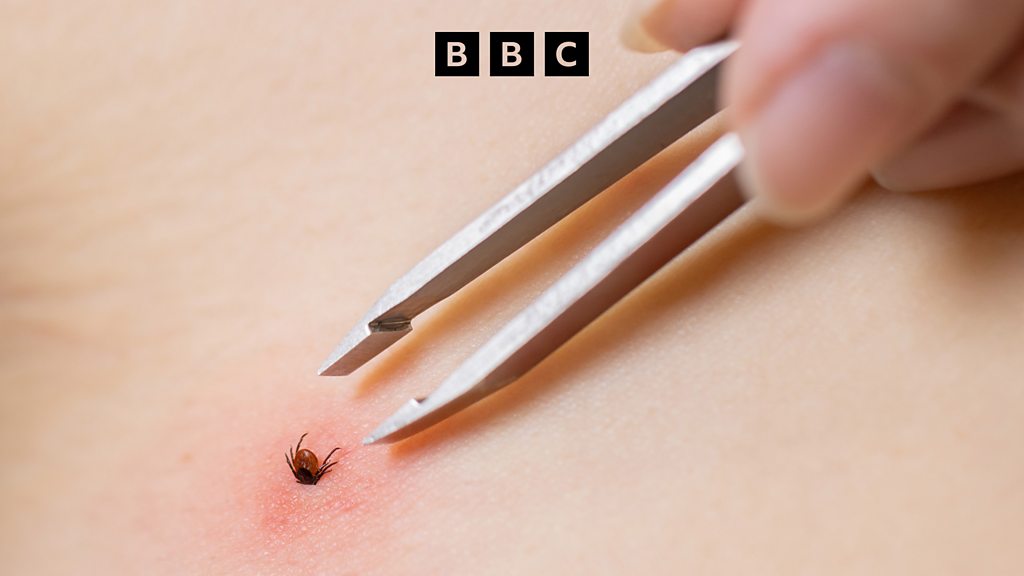
My partner had to show a photo of her bite, with it's characteristic pink halo, to get action (and meds) from her GP.........we don't keep any animals, but badgers and foxes are nightly visitors to our garden.

D
 
They have also changed to a more "H&S acceptable" chemical that is apparently not so safe for the environment. And from what i had been told has less affect on the parasites like Ticks, either not having the longevity of the previous chemical or does not kill the eggs. Cant quite remember exactly but im sure any moment we know exactly 👍
The only product in use is diazinon, an OP dip, same as it ever was. The old synthetic pyrethroid dips were banned due to impact on water invertebrates - they are very susceptible. As VSS says, nothing kills the eggs
 
  • Like
Reactions: jb1
In nearly 6 years we have not pulled a single tick off any of our sheep and in all the time I have had dogs (14 years for the first and now 7 years) not one tick.
So is this issue very regional or are we just lucky??
Last week I gathered my ewes off the hill. I could pull engorged ticks off them in handfuls, and there were questing ticks walking about all over their fleeces. We're talking hundreds, or even maybe thousands, per sheep. They were treated for ticks earlier in the summer (after shearing).
 
Having just finished a doxy treatment for Lymes, and seeing the numbers present on the ground, in bracken and on deer, I must admit it’s really put me off some parts of my stalking grounds where risk areas are high due to vegetation. Fully sprayed all clothes with permethrin, and it’s helped, but not stopped them jumping on me. Lardering work seems to be where it’s hardest to protect yourself as you’re usually not using your sprayed hunting clothes and usually have sleeves rolled up etc. heads for doing taxidermy is another bigger, they love crawling around in the ears - now i pour boiling water over any heads before going near them
 
Last week I gathered my ewes off the hill. I could pull engorged ticks off them in handfuls, and there were questing ticks walking about all over their fleeces. We're talking hundreds, or even maybe thousands, per sheep. They were treated for ticks earlier in the summer (after shearing).
Blimey - must be the environment that makes ground ticky.
I remember pulling them off sheep when shearing drenching them when I lived in Northamptonshire, but not event the deer I shoot here have ticks on them.
We are clay soil around here, so maybe something in the ground that they don’t like?
 
Having just finished a doxy treatment for Lymes, and seeing the numbers present on the ground, in bracken and on deer, I must admit it’s really put me off some parts of my stalking grounds where risk areas are high due to vegetation. Fully sprayed all clothes with permethrin, and it’s helped, but not stopped them jumping on me. Lardering work seems to be where it’s hardest to protect yourself as you’re usually not using your sprayed hunting clothes and usually have sleeves rolled up etc. heads for doing taxidermy is another bigger, they love crawling around in the ears - now i pour boiling water over any heads before going near them
Interesting and sobering.

On my ground in Kent I've yet to encounter a tick on any deer I've shot. (Spare me the "your'e not shooting enough of them", please!). Yet, every year I go to the same place on the River Dart and the wee bar stewards have me in their sights from the moment the rumble truck is parked!

K
 
Blimey - must be the environment that makes ground ticky.
I remember pulling them off sheep when shearing drenching them when I lived in Northamptonshire, but not event the deer I shoot here have ticks on them.
We are clay soil around here, so maybe something in the ground that they don’t like?
Vegetation humidity <80% is all they don’t like. There might be more visible due to the dry summer - though not in the NW!!
 
Interesting and sobering.

On my ground in Kent I've yet to encounter a tick on any deer I've shot. (Spare me the "your'e not shooting enough of them", please!). Yet, every year I go to the same place on the River Dart and the wee bar stewards have me in their sights from the moment the rumble truck is parked!

K
And yet only a few miles from the latter place, we've seldom had more than an occasional tick until this year when there have certainly been many more than for decades.
Oddly possibly fewer sheep on neighbouring properties might be a factor. Maybe dipping disrupted the life cycles, or sheep attracted most of them? No idea really
 
Back
Top