
Looks like your informant has been winding you up and let you embarrass yourself pretty spectacularly! Hopefully you’ll be calling the bds in the morning to apologise?Maybe chinese whispers then?
You are using an out of date browser. It may not display this or other websites correctly.
You should upgrade or use an alternative browser.
You should upgrade or use an alternative browser.
Wild Venison Market
- Thread starter Happy stalker
- Start date

StephenToast
Well-Known Member
Nah. Don't think I'll bother.Looks like your informant has been winding you up and let you embarrass yourself pretty spectacularly! Hopefully you’ll be calling the bds in the morning to apologise?
I'm fairly confident in my mate's interpretation of what was said.
You only have to look at their response to the recent consultation to see that they are content at keeping deer management in the dark ages.
The BDS lost my respect years ago on meeting one of their representatives down here.
Last edited:
Here is another angle on the same thread. Should we as an industry be shooting bucks/stags during the rut? If you look at what is best for the industry as a whole then the answer is no. If you have someone that has never tried venison before or has only tried it a couple of times and they get presented with a nice slab of venison from a rutting animal, they won't be in a rush to try it again. The result is we lose them as a customer and any one that will listen to them harp on about how disgusting venison is.
The reality is as an industry we are our worst enemies when it comes to promoting the final result from our endeavours, and that ultimately will be the downfall of our sport.
The reality is as an industry we are our worst enemies when it comes to promoting the final result from our endeavours, and that ultimately will be the downfall of our sport.

Heym SR20
Well-Known Member
Not in Southern Africa. Cattle Ranching was tried for many years, but cattle have all sorts of issues, not least Tetse fly sickness. Over the last 30 years many many ranches have switched back to native game animals and allowed the scrub to grow back. The African bushveldt needs to the tree / browse layer to act as a nutrient and water pump to allow grass to flourish, and the seeds / pods of Mopane and Acacia provide very rich protein for animals during winter dry season.None of the above.
Farming evolved for a reason. It's convenient, consistent and economically viable. Hunter-gathering isn't. Humans worked this out 8,000 years ago, and still some of us struggle with the concept, even though everyone here acts that way with their own consumption.
And the meat is harvested by culling - mostly small calibre rifles and head shots, with mobile abbatoirs to do the butchery. Often the game will be drawn into open areas and then a gate closed behind.
During the growing period there is minimal animal husbandry required. The only involvement is the culling.
And additional lucrative income will come from trophy hunting when the old mature animals are removed.
Heym SR20
Well-Known Member
And we will never get a good price for our products whilst we continue to contaminant the product with lead bullets. Food Standards Agency warns against the dangers of lead in game meat. If you were a buyer of meat for a school or hospital would you run this risk???
Any damaged meat has to be treated by the game processors as contaminated waste - which is expensive to dispose.
Plenty of x-ray and other imaging shows that lead particles can be 50cm away from the point of impact. That’s effectively the whole fore end of a red deer.
If there was certainty that no contaminated wild meat was entering the human food chain, then surely prices at dealers will improve and this will more than offset the additional cost of a lead free bullet.
Any damaged meat has to be treated by the game processors as contaminated waste - which is expensive to dispose.
Plenty of x-ray and other imaging shows that lead particles can be 50cm away from the point of impact. That’s effectively the whole fore end of a red deer.
If there was certainty that no contaminated wild meat was entering the human food chain, then surely prices at dealers will improve and this will more than offset the additional cost of a lead free bullet.

And we will never get a good price for our products whilst we continue to contaminant the product with lead bullets. Food Standards Agency warns against the dangers of lead in game meat. If you were a buyer of meat for a school or hospital would you run this risk???
Any damaged meat has to be treated by the game processors as contaminated waste - which is expensive to dispose.
Plenty of x-ray and other imaging shows that lead particles can be 50cm away from the point of impact. That’s effectively the whole fore end of a red deer.
If there was certainty that no contaminated wild meat was entering the human food chain, then surely prices at dealers will improve and this will more than offset the additional cost of a lead free bullet.
Lead is but one, albeit important, issue.
Contamination can come from a whole host of factors, from the point at which the shot is taken until it is on the consumer's plate. Even if we look at just the field to hook part, there are way too many inconsistencies in terms of handling and storage.
Switching away from lead is not going to be the panacea some might hope it is, and personally I doubt it will have any significant impact on dealer prices.

Norfolk Deer Search
Well-Known Member
I’ve been kicking around the stalking industry for a gnats cock short of 20 years, I have now reached a point where I have a good quality Game Dealer that collects, pays a fair price and pays Bob on time!
I don’t care where the venison goes, the days of me worrying about that how long gone, I couldn’t give a monkeys if it ends up in Timbuktu.
As long is My freezer is full and thelarder is clear and I get paid that is all that matters!
I don’t care where the venison goes, the days of me worrying about that how long gone, I couldn’t give a monkeys if it ends up in Timbuktu.
As long is My freezer is full and thelarder is clear and I get paid that is all that matters!

Freeforester
Well-Known Member
There is something of a paradox in that many practising stalkers use bullets which, though in terms of accuracy are deemed to be theoretically ‘ideal’ and thereby for production of a clean carcase, they are often of a weight and or construction which leads to the fragmentation alluded to above, whereas a more heavy, ‘slower‘ or more robustly constructed bullet but one which still performs accurately and within the limits of the calibre can achieve consistency of accuracy (the comparative increased ‘drop’ at sensible shooting ranges is both minimal and predictable), yet poor choice of placement of the shot results in the same loss of yield, the paradox being that either bullet is capable of achieving the desired result without the avoidable excessive carcase damage or fragmentation - if the marksman plays their part. This need not concern the primary producer with no further interest in the carcase beyond a financial return, though the game dealer may of course determine the value he places on such material, and offer accordingly.
It’s interesting to observe too, that whilst all pride themselves on consistently putting their shot on a proverbial postage stamp when at the target, when presented with the animal to be culled, quite some of those choosing to take the life of the deer insist on taking a shot that renders a significant loss of carcass yield, whereas others minimise this loss with thoughtful and disciplined shot placement, which, in the latter case it matters not whether there is bullet fragmentation, as the damaged area is removed entirely. Much of this can be ascribed to confidence (or lack thereof) in one’s abilities and those of one’s chosen projectile and it’s speed to perform at the moment of truth, but may also be attributed to the culler’s familiarity with both the procedure and anatomy of the deer, ie whether you are culling a handful or a hundred plus per season.
It appears too, that base expediency/convenience has now trumped welfare where taking the life of the deer is concerned with use of copper bullets, indeed it is even ‘recommended’ in some quarters that the shoulder/spinal shot is taken to ‘fix’ the deer rather than the earlier, conventional ‘percentage’ target area in the chest, which I’m informed widely by professionals does not result in the swift death that a gilded lead bullet earlier afforded the cull animal (maybe we can refer to the gilded age?)
In nigh on twenty years of selling the fruits of my labours directly (face to face) to the public, I never managed to poison any of my many returning customers, even though all deer taken by myself were shot exclusively with (comparatively heavy-for-calibre) gilded lead core bullets. Nor (unsurprisingly) did I receive any complaint, as any damaged portion was simply discarded as unfit for sale prior to packing. I did purchase ‘SQWV approved’ venison during the male season from FCS locally from time to time (another saga all in itself, but I digress), however all too often such was the damage to the meat by fragmenting copper bullets that it led to vastly increased waste, and was thereby not a cost effective option - so much for the worth of standardised ‘QA’. The chain is as strong only as the weakest link.
Happy therefore to be regarded as some quaint relic of a bygone age, gilded or otherwise, and to yet have the unencumbered freedom of choice as to how best procure and prepare venison for my own use for our time remaining.
It’s interesting to observe too, that whilst all pride themselves on consistently putting their shot on a proverbial postage stamp when at the target, when presented with the animal to be culled, quite some of those choosing to take the life of the deer insist on taking a shot that renders a significant loss of carcass yield, whereas others minimise this loss with thoughtful and disciplined shot placement, which, in the latter case it matters not whether there is bullet fragmentation, as the damaged area is removed entirely. Much of this can be ascribed to confidence (or lack thereof) in one’s abilities and those of one’s chosen projectile and it’s speed to perform at the moment of truth, but may also be attributed to the culler’s familiarity with both the procedure and anatomy of the deer, ie whether you are culling a handful or a hundred plus per season.
It appears too, that base expediency/convenience has now trumped welfare where taking the life of the deer is concerned with use of copper bullets, indeed it is even ‘recommended’ in some quarters that the shoulder/spinal shot is taken to ‘fix’ the deer rather than the earlier, conventional ‘percentage’ target area in the chest, which I’m informed widely by professionals does not result in the swift death that a gilded lead bullet earlier afforded the cull animal (maybe we can refer to the gilded age?)
In nigh on twenty years of selling the fruits of my labours directly (face to face) to the public, I never managed to poison any of my many returning customers, even though all deer taken by myself were shot exclusively with (comparatively heavy-for-calibre) gilded lead core bullets. Nor (unsurprisingly) did I receive any complaint, as any damaged portion was simply discarded as unfit for sale prior to packing. I did purchase ‘SQWV approved’ venison during the male season from FCS locally from time to time (another saga all in itself, but I digress), however all too often such was the damage to the meat by fragmenting copper bullets that it led to vastly increased waste, and was thereby not a cost effective option - so much for the worth of standardised ‘QA’. The chain is as strong only as the weakest link.
Happy therefore to be regarded as some quaint relic of a bygone age, gilded or otherwise, and to yet have the unencumbered freedom of choice as to how best procure and prepare venison for my own use for our time remaining.
And that's different with fragmenting non-lead bullets how exactly ?And we will never get a good price for our products whilst we continue to contaminant the product with lead bullets. Food Standards Agency warns against the dangers of lead in game meat. If you were a buyer of meat for a school or hospital would you run this risk???
Any damaged meat has to be treated by the game processors as contaminated waste - which is expensive to dispose.
Plenty of x-ray and other imaging shows that lead particles can be 50cm away from the point of impact. That’s effectively the whole fore end of a red deer.
If there was certainty that no contaminated wild meat was entering the human food chain, then surely prices at dealers will improve and this will more than offset the additional cost of a lead free bullet.
Norfolk Deer Search
Well-Known Member
Bigger exit, equals more damage!And that's different with fragmenting non-lead bullets how exactly ?
Personally, not a fan, although they do work well! But I’ll stick to my Barnes bullets with 99.5% retention weight and a lovely any entry and exit
Heym SR20
Well-Known Member
Fragmenting non lead bullets leave pretty much the same problems with lots of mess and particles. I rather feel that they an interim solution, but now that there are many good monolithics available I think they have little utility.And that's different with fragmenting non-lead bullets how exactly ?

So Game Dealers have in fact been correct in their demand for non body shot only carcasses as it would matter not to the consumer if you used mercury charged expanding ammo as they have sensibly modelled their approach to settling all difficulties, be they great or small, as follows:There is something of a paradox in that many practising stalkers use bullets which, though in terms of accuracy are deemed to be theoretically ‘ideal’ and thereby for production of a clean carcase, they are often of a weight and or construction which leads to the fragmentation alluded to above, whereas a more heavy, ‘slower‘ or more robustly constructed bullet but one which still performs accurately and within the limits of the calibre can achieve consistency of accuracy (the comparative increased ‘drop’ at sensible shooting ranges is both minimal and predictable), yet poor choice of placement of the shot results in the same loss of yield, the paradox being that either bullet is capable of achieving the desired result without the avoidable excessive carcase damage or fragmentation - if the marksman plays their part. This need not concern the primary producer with no further interest in the carcase beyond a financial return, though the game dealer may of course determine the value he places on such material, and offer accordingly.
It’s interesting to observe too, that whilst all pride themselves on consistently putting their shot on a proverbial postage stamp when at the target, when presented with the animal to be culled, quite some of those choosing to take the life of the deer insist on taking a shot that renders a significant loss of carcass yield, whereas others minimise this loss with thoughtful and disciplined shot placement, which, in the latter case it matters not whether there is bullet fragmentation, as the damaged area is removed entirely. Much of this can be ascribed to confidence (or lack thereof) in one’s abilities and those of one’s chosen projectile and it’s speed to perform at the moment of truth, but may also be attributed to the culler’s familiarity with both the procedure and anatomy of the deer, ie whether you are culling a handful or a hundred plus per season.
It appears too, that base expediency/convenience has now trumped welfare where taking the life of the deer is concerned with use of copper bullets, indeed it is even ‘recommended’ in some quarters that the shoulder/spinal shot is taken to ‘fix’ the deer rather than the earlier, conventional ‘percentage’ target area in the chest, which I’m informed widely by professionals does not result in the swift death that a gilded lead bullet earlier afforded the cull animal (maybe we can refer to the gilded age?)
In nigh on twenty years of selling the fruits of my labours directly (face to face) to the public, I never managed to poison any of my many returning customers, even though all deer taken by myself were shot exclusively with (comparatively heavy-for-calibre) gilded lead core bullets. Nor (unsurprisingly) did I receive any complaint, as any damaged portion was simply discarded as unfit for sale prior to packing. I did purchase ‘SQWV approved’ venison during the male season from FCS locally from time to time (another saga all in itself, but I digress), however all too often such was the damage to the meat by fragmenting copper bullets that it led to vastly increased waste, and was thereby not a cost effective option - so much for the worth of standardised ‘QA’. The chain is as strong only as the weakest link.
Happy therefore to be regarded as some quaint relic of a bygone age, gilded or otherwise, and to yet have the unencumbered freedom of choice as to how best procure and prepare venison for my own use for our time remaining.
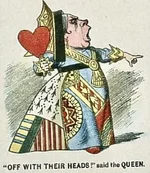
‘I’ll fetch the executioner myself,’ said Norfolk Deer Search eagerly, and he hurried off.
K
So Game Dealers have in fact been correct in their demand for non body shot only carcasses as it would matter not to the consumer if you used mercury charged expanding ammo as they have sensibly modelled their approach to settling all difficulties, be they great or small, as follows:There is something of a paradox in that many practising stalkers use bullets which, though in terms of accuracy are deemed to be theoretically ‘ideal’ and thereby for production of a clean carcase, they are often of a weight and or construction which leads to the fragmentation alluded to above, whereas a more heavy, ‘slower‘ or more robustly constructed bullet but one which still performs accurately and within the limits of the calibre can achieve consistency of accuracy (the comparative increased ‘drop’ at sensible shooting ranges is both minimal and predictable), yet poor choice of placement of the shot results in the same loss of yield, the paradox being that either bullet is capable of achieving the desired result without the avoidable excessive carcase damage or fragmentation - if the marksman plays their part. This need not concern the primary producer with no further interest in the carcase beyond a financial return, though the game dealer may of course determine the value he places on such material, and offer accordingly.
It’s interesting to observe too, that whilst all pride themselves on consistently putting their shot on a proverbial postage stamp when at the target, when presented with the animal to be culled, quite some of those choosing to take the life of the deer insist on taking a shot that renders a significant loss of carcass yield, whereas others minimise this loss with thoughtful and disciplined shot placement, which, in the latter case it matters not whether there is bullet fragmentation, as the damaged area is removed entirely. Much of this can be ascribed to confidence (or lack thereof) in one’s abilities and those of one’s chosen projectile and it’s speed to perform at the moment of truth, but may also be attributed to the culler’s familiarity with both the procedure and anatomy of the deer, ie whether you are culling a handful or a hundred plus per season.
It appears too, that base expediency/convenience has now trumped welfare where taking the life of the deer is concerned with use of copper bullets, indeed it is even ‘recommended’ in some quarters that the shoulder/spinal shot is taken to ‘fix’ the deer rather than the earlier, conventional ‘percentage’ target area in the chest, which I’m informed widely by professionals does not result in the swift death that a gilded lead bullet earlier afforded the cull animal (maybe we can refer to the gilded age?)
In nigh on twenty years of selling the fruits of my labours directly (face to face) to the public, I never managed to poison any of my many returning customers, even though all deer taken by myself were shot exclusively with (comparatively heavy-for-calibre) gilded lead core bullets. Nor (unsurprisingly) did I receive any complaint, as any damaged portion was simply discarded as unfit for sale prior to packing. I did purchase ‘SQWV approved’ venison during the male season from FCS locally from time to time (another saga all in itself, but I digress), however all too often such was the damage to the meat by fragmenting copper bullets that it led to vastly increased waste, and was thereby not a cost effective option - so much for the worth of standardised ‘QA’. The chain is as strong only as the weakest link.
Happy therefore to be regarded as some quaint relic of a bygone age, gilded or otherwise, and to yet have the unencumbered freedom of choice as to how best procure and prepare venison for my own use for our time remaining.
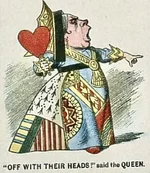
‘I’ll fetch the executioner myself,’ said Norfolk Deer Search eagerly, and he hurried off.
K

Precision123
Well-Known Member
There's a lot to be said for a bow and arrow, or a well aimed rock...
Norfolk Deer Search
Well-Known Member
I know a bloke who can shoot a bow and arrow a damn site more accurately than most with a rifle!There's a lot to be said for a bow and arrow, or a well aimed rock...
Bow, hunting, intrigues me, but I have no self restraint because I know if I take up archery with a compound bow, it will be a slippery slope, so therefore that is one thing I best leave alone!


Heym SR20
Well-Known Member
How do you know that none of your customers are suffering effects of lead. Have any contracted leukaemia, dementia etc etc. Most of damage from lead is not acute but accumulative over time. And once lead is in the body it stays there. On ingesting lead you will get a spike in lead levels in the blood, but this diminishes as it is taken into the bones and bone marrow.There is something of a paradox in that many practising stalkers use bullets which, though in terms of accuracy are deemed to be theoretically ‘ideal’ and thereby for production of a clean carcase, they are often of a weight and or construction which leads to the fragmentation alluded to above, whereas a more heavy, ‘slower‘ or more robustly constructed bullet but one which still performs accurately and within the limits of the calibre can achieve consistency of accuracy (the comparative increased ‘drop’ at sensible shooting ranges is both minimal and predictable), yet poor choice of placement of the shot results in the same loss of yield, the paradox being that either bullet is capable of achieving the desired result without the avoidable excessive carcase damage or fragmentation - if the marksman plays their part. This need not concern the primary producer with no further interest in the carcase beyond a financial return, though the game dealer may of course determine the value he places on such material, and offer accordingly.
It’s interesting to observe too, that whilst all pride themselves on consistently putting their shot on a proverbial postage stamp when at the target, when presented with the animal to be culled, quite some of those choosing to take the life of the deer insist on taking a shot that renders a significant loss of carcass yield, whereas others minimise this loss with thoughtful and disciplined shot placement, which, in the latter case it matters not whether there is bullet fragmentation, as the damaged area is removed entirely. Much of this can be ascribed to confidence (or lack thereof) in one’s abilities and those of one’s chosen projectile and it’s speed to perform at the moment of truth, but may also be attributed to the culler’s familiarity with both the procedure and anatomy of the deer, ie whether you are culling a handful or a hundred plus per season.
It appears too, that base expediency/convenience has now trumped welfare where taking the life of the deer is concerned with use of copper bullets, indeed it is even ‘recommended’ in some quarters that the shoulder/spinal shot is taken to ‘fix’ the deer rather than the earlier, conventional ‘percentage’ target area in the chest, which I’m informed widely by professionals does not result in the swift death that a gilded lead bullet earlier afforded the cull animal (maybe we can refer to the gilded age?)
In nigh on twenty years of selling the fruits of my labours directly (face to face) to the public, I never managed to poison any of my many returning customers, even though all deer taken by myself were shot exclusively with (comparatively heavy-for-calibre) gilded lead core bullets. Nor (unsurprisingly) did I receive any complaint, as any damaged portion was simply discarded as unfit for sale prior to packing. I did purchase ‘SQWV approved’ venison during the male season from FCS locally from time to time (another saga all in itself, but I digress), however all too often such was the damage to the meat by fragmenting copper bullets that it led to vastly increased waste, and was thereby not a cost effective option - so much for the worth of standardised ‘QA’. The chain is as strong only as the weakest link.
Happy therefore to be regarded as some quaint relic of a bygone age, gilded or otherwise, and to yet have the unencumbered freedom of choice as to how best procure and prepare venison for my own use for our time remaining.
And a lot of the fragments of lead will be very small and not visible to naked eye, so easily incorporate into mince or sausages etc.
There is now a lot of scientific literature out there looking, with new studies being published almost on a daily basis.
This is really quite an interesting paper and literature review. It compares the lead contamination in the meat of game animals and birds from various different countries in Europe. In Denmark, where there is a complete ban on use of lead, there is no lead contamination in the meat of game products offered for sale, whereas elsewhere there are many samples that are well above the recommended minimum.

How contaminated with ammunition-derived lead is meat from European small game animals? Assessing and reducing risks to human health - Ambio
Small game animals are generally hunted with lead gunshot which often fragments causing elevated lead concentrations in meat and presenting health risks to frequent consumers and vulnerable groups. We reviewed three decades of European data on lead concentrations in the meat of gamebirds...
 link.springer.com
Heym SR20
Well-Known Member
I know an 8 year old child that can outshoot both myself and his father with a bow - and we are shooting rifles. I won’t mention his father’s name so as to save his blushes.I know a bloke who can shoot a bow and arrow a damn site more accurately than most with a rifle!
Bow, hunting, intrigues me, but I have no self restraint because I know if I take up archery with a compound bow, it will be a slippery slope, so therefore that is one thing I best leave alone!
I absolutely think that bows have there as a very effective short range means of killing deer. But they take skill and practice - a bit like a rifle.
Precision123
Well-Known Member
Dad
I know an 8 year old child that can outshoot both myself and his father with a bow - and we are shooting rifles. I won’t mention his father’s name so as to save his blushes.
I absolutely think that bows have there as a very effective short range means of killing deer. But they take skill and practice - a bit like a rifl
Freeforester
Well-Known Member
If it didn‘t go via my hands into the packet, I can rest assured that I am not the cause of any lead poisoning anyone, anywhere might be suffering. This is neither to say that I agree with any inference or suggestion that all or even most ‘leukaemia and dementia etc etc’ is caused by lead ingestion. All a bit academic now, but in any event, apart from anything else it wouldn't have made good business sense to be anything less than scrupulous about this aspect, any more than eg offering customers rutting stag venison - indeed I went out of my way to educate customers on that one, believing as I still do that to do so does more to put people off venison for life than any perceived danger of lead ingestion by careless handling, butchering or inclusion of same. Tastes may indeed vary as indeed has been debated here in the past, but knowing what I know from my own experiences and those of others, why would I even contemplate taking the risk?How do you know that none of your customers are suffering effects of lead. Have any contracted leukaemia, dementia etc etc. Most of damage from lead is not acute but accumulative over time. And once lead is in the body it stays there. On ingesting lead you will get a spike in lead levels in the blood, but this diminishes as it is taken into the bones and bone marrow.
And a lot of the fragments of lead will be very small and not visible to naked eye, so easily incorporate into mince or sausages etc.
There is now a lot of scientific literature out there looking, with new studies being published almost on a daily basis.
This is really quite an interesting paper and literature review. It compares the lead contamination in the meat of game animals and birds from various different countries in Europe. In Denmark, where there is a complete ban on use of lead, there is no lead contamination in the meat of game products offered for sale, whereas elsewhere there are many samples that are well above the recommended minimum.
How contaminated with ammunition-derived lead is meat from European small game animals? Assessing and reducing risks to human health - Ambio
Small game animals are generally hunted with lead gunshot which often fragments causing elevated lead concentrations in meat and presenting health risks to frequent consumers and vulnerable groups. We reviewed three decades of European data on lead concentrations in the meat of gamebirds...
It may be borne in mind too, that whilst lead shot and projectiles may be banned in DK, this is not to say that it is not still in use here and there, as will certainly still be the case here for years to come.
By the way K, a clean chest-shot carcase having been despatched with a suitably constructed bullet driven at moderate speed also can pass muster; to avoid damage to all the main quarters is the best way of beginning to maximise carcase yield, but there is more than one means of achieving this.
I was the first to moan about changing from lead to lead free. But now there is some very good lead free bullets who cares just get on and change when you run out of lead. I'm only on about deer calibre rifles some more work needs to be done on rim fire and shot guns.
Similar threads


- Replies
- 46
- Views
- 2K


- Replies
- 7
- Views
- 747


