TBH I am doubtful that the average AGHE is likely to use the sort of commercial X-ray scanning equipment that I showed, at least not on venison, looking for the tiniest bullet fragments. I'd say that was probably near impossible at the moment.
However it is perfectly practical to use for scanning game birds for the presence of lead shot. An expensive investment I daresay, which they would have to recoup by lower prices to their suppliers, or higher prices to their customers. I foresee some consolidation of their industry, to drive up standards.
Historically a large proportion of our game birds, of which we have vast quantities of pheasant, are exported to the EU.
If, or when, the EU does introduce the same lead limits as there are for farmed meat, I could foresee the day when AGHEs might have little choice but to scan the birds before export, if they continue to be shot with lead here.
Or if retail customers start to strongly demand lead free game meat from retail outlets.
For example from Highland Game's blog last year:
Covid-19 | Highland Game
www.highlandgame.com
Priority will be given to SQWV standard and lead-free carcasses, supply of retail is 'essential' and only viable market at present
Our big bird pheasant shoots are already controversial enough as it is and find it difficult enough to dispose of their by-product into the food chain. If they find it even more difficult to do that (and not to do so would be entirely unethical), then they risk tarnishing efforts to promote all types of wild game meat.
Further reading:
Waterbirds are mistaking wasted lead shot from hunting for food and becoming poisoned, affecting many species and the whole ecosystem. WWT are calling for a total ban on the use of lead shot, already in place in many countries.

www.wwt.org.uk
Lead is a highly toxic metal known to be an important cause of morbidity and mortality in waterbirds and terrestrial birds worldwide. The risk to birds of poisoning from lead has resulted in the introduction of legislation in many countries, such as UK restrictions on the use of lead in angling...

link.springer.com
Selective quotes:
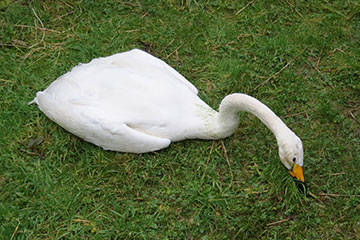
Dead and dying birds are usually taken quickly by predators – making their deaths unseen and ‘invisible’ to shooters and the wider public alike. ... Our long term waterbird health surveillance has found 10% were killed by lead poisoning – sometimes with dozens or even hundreds of ingested shot pellets being found in their gizzards (a part of their stomach that needs grit to grind their food). Migratory swans like whoopers and Bewick’s were worst affected, with lead poisoning accounting for a quarter of deaths. ... Nationally – using data from various sources – we estimate up to 400,000 wildfowl suffer from poisoning every winter in the UK, of which 50-100,000 die.