Stalker62
Well-Known Member
Well now.

Would you?
As the charity, Lyme Disease UK gears up for the launch, they are warning that tick bites are becoming a year-round threat due to warmer, wetter winters - a risk that has been scientifically proven to be occurring in Harris.
According to Lyme Disease UK, studies indicate that seasonal tick activity begins earlier and expands northward, increasing the risk of human exposure to ticks. Indeed, the charity has anecdotal evidence of tick bites occurring throughout the year.
This appears to be backed up by a project led by the Brennan Lab at the MRC-University of Glasgow Centre for Virus Research. They, too, have noticed an increase in tick sightings in winter, particularly on Harris, an area previously identified as having a climate that allows ticks to thrive.
Research due to be presented at the European Congress of Clinical Microbiology and Infectious Diseases also speculates whether ticks infected with tick-borne encephalitis (TBE) have been brought into the UK due to migratory birds and climate change.
However, Lyme Disease is an infection caused by a spiral-shaped bacteria called Borrelia burgdorferi.
The infection is predominantly spread to humans through the bite of an infected tick.
Other infections that ticks can carry include Babesia and Bartonella, which all can be transmitted through a single bite, causing more severe symptoms and a more complicated clinical picture.
The first confirmed case of Lyme Disease in the UK caused by a tick bite was recorded in 1985. Since then, case numbers have steadily risen.
I am heading North in October, for a couple of days on the deer, a wee bit of shooting and a spot of fishing.
I have an itch to scratch (intended), in that I would like to give the old kilt an airing.
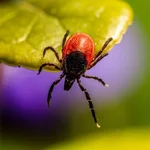
However, all the smart money says that ticks are an increasing problem in the UK.
So.
Would you?
Would you?
As the charity, Lyme Disease UK gears up for the launch, they are warning that tick bites are becoming a year-round threat due to warmer, wetter winters - a risk that has been scientifically proven to be occurring in Harris.
According to Lyme Disease UK, studies indicate that seasonal tick activity begins earlier and expands northward, increasing the risk of human exposure to ticks. Indeed, the charity has anecdotal evidence of tick bites occurring throughout the year.
This appears to be backed up by a project led by the Brennan Lab at the MRC-University of Glasgow Centre for Virus Research. They, too, have noticed an increase in tick sightings in winter, particularly on Harris, an area previously identified as having a climate that allows ticks to thrive.
Research due to be presented at the European Congress of Clinical Microbiology and Infectious Diseases also speculates whether ticks infected with tick-borne encephalitis (TBE) have been brought into the UK due to migratory birds and climate change.
However, Lyme Disease is an infection caused by a spiral-shaped bacteria called Borrelia burgdorferi.
The infection is predominantly spread to humans through the bite of an infected tick.
Other infections that ticks can carry include Babesia and Bartonella, which all can be transmitted through a single bite, causing more severe symptoms and a more complicated clinical picture.
The first confirmed case of Lyme Disease in the UK caused by a tick bite was recorded in 1985. Since then, case numbers have steadily risen.
I am heading North in October, for a couple of days on the deer, a wee bit of shooting and a spot of fishing.
I have an itch to scratch (intended), in that I would like to give the old kilt an airing.
However, all the smart money says that ticks are an increasing problem in the UK.
So.
Would you?




 but no if it got soaked it would be around the ankles