So before everyone gets the pitch forks, tar and feathers out this is a discussion piece. I am not advocating for any particular method and I am fully aware that digital technology is very distasteful to some and a necessity to others. I appreciate for traditional highland stalking digital may never be a suitable option and anyone who rocks up to a traditional pony extract type highland hunt with a digital scoped rifle will certainly get an odd look or two.
I think it’s fair to say that the greatest advancements in hunting equipment in the last 10 years have all been digital based. Certain board rooms in Germany and Austria are already taking note and releasing their own digital products. Digital technology has moved on at a pace that firstly reflects society in general and has had a far greater impact on the way we hunt than any other device/system/gadget. With the widespread use of handheld thermal and digital day/night devices I feel that hunting is making a turn away from the traditional glass based hunting of the previous 50-150 years. 10 years ago I started using a handheld thermal and at that time I was certainly in the minority with even other guides not having made the leap then. Fast forward 10 years and I would imagine that the majority of recreational stalkers now have a hand held thermal and that percentage is growing every year.
Up until about 2-3 years ago though very few people were using digital scopes or digital binoculars for stalking. This was because up until devices like the Pulsar C50 or first generation Alpex there wasn’t really a stalker friendly device available to the mainstream. Having owned and used these devices extensively (wild boar and foxes mainly), although they did allow excellent light gathering etc they were certainly lacking in detail particularly during daylight use making them a compromise at best. There wasn’t much chance of being able to spot 308 holes in paper at 100m for instance. Also because at the time of their release there wasn’t a comparable NV spotting device people who stalked with them must have been spotting with a thermal spotter before switching to the NV rifle scope to do the final ID, safety check and shot? I can’t see any other way that this was happening in the first and last 10-15 mins of shooting light when Binos will have been largely useless for most. Now call me traditional but I have always had an issue with using a loaded or even unloaded rifle as a spotting device. Finally these devices like the C50 and first gen Alpex in my mind lacked the detail that a deer stalker really needs. For example both devices along with the Pard DS for that matter lack the definition to really asses the quality of the Roe bucks head gear or in December they don’t allow you to tell if it’s a roe doe or shed buck, which is something I have never struggled with using normal glass. I appreciate that there are other tells but sometimes all you can see of said deer is its head due to the way it’s standing or cover. Something that I take quite seriously in the summer months is roe buck management and making the final assessment of a bucks head gear through the scope on high mag (having already used the Binos to do the leg work) is how I keep the good.
More recently though devices like the HIK Habroks have come into the market. When the first gen 640x480 sensor model come out I was lucky enough to be lent a pair to test. The idea being that they were the next big thing. A spotter, range finder and binoculars all in one item. At the time I tested them a gave an honest review stating that the concept and layout was excellent, but the low res 3.5 mag optical channel was limiting at best. Yes you could tell it was a deer but it was a struggle in any light to determine if the deer was a fallow doe, follower or very poor pricket. As soon as the mag was cranked up a bit the situation to a certain extent didn’t improve as the resolution just wasn’t there. This meant you still needed the Binos and anyone who had tried to carry a pair of thermal binos and normal glass ones at the same time will tell you that it’s a nightmare.
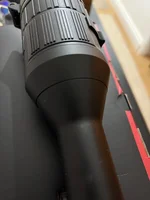
Now in the last 6-12 months HIK in particular have started us down the road that might be the first fully viable deer stalking complete digital solution. With the 4K Alpex and the 4K Habrok Binos there are now products that can give the stalker a complete digital solution should he or she wish. In theory at least. The 4K Alpex has the same light gathering ability that allows shooting from the first and last minutes of shooting light that the old one had but the imagine now is for the first time sufficiently detailed to use instead of glass all the time. Obviously in broad daylight even the cheapest glass stalking scope is going to be better image wise, but the 4K is sufficiently detailed day and night to be in my mind at least an option for a stalking scope. It’s the first digital device that I have been able to see the .308 holes in paper for example when zeroing at 100m. Binocular wise the Habrok 4K with its £1200 price tag is an attractive option and for the first time a viable alternative to binoculars. Optically I have found them during testing more than sufficient for using as a stalking binocular even in daylight out to 300m+ depending on conditions. I have to say though the thermal chanel with its 4.3 base mag drove me insane. Imagine the field of view you would have using kitchen roll tubes to view the world through and this is similar to the thermal spotter Chanel on the Habroks. I have just looked up the figures and the optical FOV is 12m at 100m which when compared to my HIK condor at 22m @100m there is a decent difference. The latest two Habrok 4K devices I haven’t had the opportunity to test as yet, so maybe I will do an update if anyone fancies lending me a set of the nearly £5k 1240 sensor Habrok with the 2.5 base mag thermal?
Apologies for anyone who has endured the last several hundred random words. I have been writing this since early November on and off and every time I pick it up I add another random brain fart or two.
Back in November I decided to give fully digital stalking a go. I put a 4K LRF Alpex on the 308, swapped the glass Binos for a set of the cheaper 4K Habroks. I have to say though after the the first 60 mins running this setup I went back to my truck and retrieved by HIK Condor because of the previously mentioned FOV on the Habroks driving me nuts. So 3 fully digital devices and enough 18650 batteries in my pocket to power Curry’s for 24 hours. It also occurred to me on those first few outings that I was carrying 3 different LRF devices all the time as well!
I carried on with this combination never bothering with any IR devices I might add for the entire of November 2-4 times a week focusing on Fallow does. At first I found the technology did slow things down somewhat, because everything being unfamiliar took a little bit longer to focus or zoom etc. The Alpex for example usually needed changing from 3.5 to 7 mag or 7 mag to 14 mag followed by a focus on the front objective. After decades of just cranking the mag on glass up and down the extra step took some time to get used to. I have found the Habroks with their 25mm objective don’t gather as much light as the Alpex with its 50mm objective, which is understandable. For me because they only really have an additional 5-10mins on standard Binos light wise as opposed to the 10-20 mins the Alpex has and because of their previously mentioned thermal draw backs I found them too clunky. I do feel though that the 60mm £5k version with the 60mm objective, decent thermal and wider 22mm FOV would maybe be a two device solution. For me going from Condor to Habrok to Alpex was just too much digital. Condor to glass to Alpex somehow seemed less clunky. Also 4 less batteries to carry.
Would I go digital all the time? Not yet. I have carried on using my HIK Condor just like before, I have ditched the Habrok and I have left the Alpex 4K on one rifle. I have found that I have on balance taken more fallow with the Alpex than I would normally at this time of year given the increased light gathering etc, but I have also lost a few by taking too long to zoom, focus etc. On balance though there is an increase in productivity. I will most likely switch to glass again in the summer months and I certainly would never guide using a digital scope. Colleagues of mine I know do guide using digital but I prefer for a client to get a more traditional experience when they are paying for a guided stalk.
I think it’s fair to say that the greatest advancements in hunting equipment in the last 10 years have all been digital based. Certain board rooms in Germany and Austria are already taking note and releasing their own digital products. Digital technology has moved on at a pace that firstly reflects society in general and has had a far greater impact on the way we hunt than any other device/system/gadget. With the widespread use of handheld thermal and digital day/night devices I feel that hunting is making a turn away from the traditional glass based hunting of the previous 50-150 years. 10 years ago I started using a handheld thermal and at that time I was certainly in the minority with even other guides not having made the leap then. Fast forward 10 years and I would imagine that the majority of recreational stalkers now have a hand held thermal and that percentage is growing every year.
Up until about 2-3 years ago though very few people were using digital scopes or digital binoculars for stalking. This was because up until devices like the Pulsar C50 or first generation Alpex there wasn’t really a stalker friendly device available to the mainstream. Having owned and used these devices extensively (wild boar and foxes mainly), although they did allow excellent light gathering etc they were certainly lacking in detail particularly during daylight use making them a compromise at best. There wasn’t much chance of being able to spot 308 holes in paper at 100m for instance. Also because at the time of their release there wasn’t a comparable NV spotting device people who stalked with them must have been spotting with a thermal spotter before switching to the NV rifle scope to do the final ID, safety check and shot? I can’t see any other way that this was happening in the first and last 10-15 mins of shooting light when Binos will have been largely useless for most. Now call me traditional but I have always had an issue with using a loaded or even unloaded rifle as a spotting device. Finally these devices like the C50 and first gen Alpex in my mind lacked the detail that a deer stalker really needs. For example both devices along with the Pard DS for that matter lack the definition to really asses the quality of the Roe bucks head gear or in December they don’t allow you to tell if it’s a roe doe or shed buck, which is something I have never struggled with using normal glass. I appreciate that there are other tells but sometimes all you can see of said deer is its head due to the way it’s standing or cover. Something that I take quite seriously in the summer months is roe buck management and making the final assessment of a bucks head gear through the scope on high mag (having already used the Binos to do the leg work) is how I keep the good.
More recently though devices like the HIK Habroks have come into the market. When the first gen 640x480 sensor model come out I was lucky enough to be lent a pair to test. The idea being that they were the next big thing. A spotter, range finder and binoculars all in one item. At the time I tested them a gave an honest review stating that the concept and layout was excellent, but the low res 3.5 mag optical channel was limiting at best. Yes you could tell it was a deer but it was a struggle in any light to determine if the deer was a fallow doe, follower or very poor pricket. As soon as the mag was cranked up a bit the situation to a certain extent didn’t improve as the resolution just wasn’t there. This meant you still needed the Binos and anyone who had tried to carry a pair of thermal binos and normal glass ones at the same time will tell you that it’s a nightmare.
Now in the last 6-12 months HIK in particular have started us down the road that might be the first fully viable deer stalking complete digital solution. With the 4K Alpex and the 4K Habrok Binos there are now products that can give the stalker a complete digital solution should he or she wish. In theory at least. The 4K Alpex has the same light gathering ability that allows shooting from the first and last minutes of shooting light that the old one had but the imagine now is for the first time sufficiently detailed to use instead of glass all the time. Obviously in broad daylight even the cheapest glass stalking scope is going to be better image wise, but the 4K is sufficiently detailed day and night to be in my mind at least an option for a stalking scope. It’s the first digital device that I have been able to see the .308 holes in paper for example when zeroing at 100m. Binocular wise the Habrok 4K with its £1200 price tag is an attractive option and for the first time a viable alternative to binoculars. Optically I have found them during testing more than sufficient for using as a stalking binocular even in daylight out to 300m+ depending on conditions. I have to say though the thermal chanel with its 4.3 base mag drove me insane. Imagine the field of view you would have using kitchen roll tubes to view the world through and this is similar to the thermal spotter Chanel on the Habroks. I have just looked up the figures and the optical FOV is 12m at 100m which when compared to my HIK condor at 22m @100m there is a decent difference. The latest two Habrok 4K devices I haven’t had the opportunity to test as yet, so maybe I will do an update if anyone fancies lending me a set of the nearly £5k 1240 sensor Habrok with the 2.5 base mag thermal?
Apologies for anyone who has endured the last several hundred random words. I have been writing this since early November on and off and every time I pick it up I add another random brain fart or two.
Back in November I decided to give fully digital stalking a go. I put a 4K LRF Alpex on the 308, swapped the glass Binos for a set of the cheaper 4K Habroks. I have to say though after the the first 60 mins running this setup I went back to my truck and retrieved by HIK Condor because of the previously mentioned FOV on the Habroks driving me nuts. So 3 fully digital devices and enough 18650 batteries in my pocket to power Curry’s for 24 hours. It also occurred to me on those first few outings that I was carrying 3 different LRF devices all the time as well!
I carried on with this combination never bothering with any IR devices I might add for the entire of November 2-4 times a week focusing on Fallow does. At first I found the technology did slow things down somewhat, because everything being unfamiliar took a little bit longer to focus or zoom etc. The Alpex for example usually needed changing from 3.5 to 7 mag or 7 mag to 14 mag followed by a focus on the front objective. After decades of just cranking the mag on glass up and down the extra step took some time to get used to. I have found the Habroks with their 25mm objective don’t gather as much light as the Alpex with its 50mm objective, which is understandable. For me because they only really have an additional 5-10mins on standard Binos light wise as opposed to the 10-20 mins the Alpex has and because of their previously mentioned thermal draw backs I found them too clunky. I do feel though that the 60mm £5k version with the 60mm objective, decent thermal and wider 22mm FOV would maybe be a two device solution. For me going from Condor to Habrok to Alpex was just too much digital. Condor to glass to Alpex somehow seemed less clunky. Also 4 less batteries to carry.
Would I go digital all the time? Not yet. I have carried on using my HIK Condor just like before, I have ditched the Habrok and I have left the Alpex 4K on one rifle. I have found that I have on balance taken more fallow with the Alpex than I would normally at this time of year given the increased light gathering etc, but I have also lost a few by taking too long to zoom, focus etc. On balance though there is an increase in productivity. I will most likely switch to glass again in the summer months and I certainly would never guide using a digital scope. Colleagues of mine I know do guide using digital but I prefer for a client to get a more traditional experience when they are paying for a guided stalk.