SGA response to proposed Scottish Deer Management changes

RF76

Well-Known Member

See below for the SGA response -​

SGA responds on removal of male deer seasons​


piccy.jpeg

The SGA Deer Group this week delivered its consultation response to Minister Lorna Slater on proposals for secondary legislation which would see a/ the removal of male deer seasons in Scotland b/ the legalisation of thermal scopes for culling deer and c/ changes to bullet weights to encourage greater take-up of copper bullets for shooting deer.
You can read the SGA response, in FULL, below.

1/ Night vision equipment


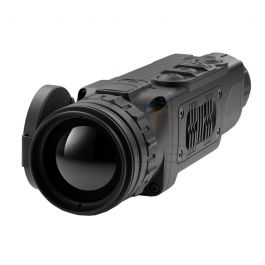
The SGA has significant animal welfare and safety concerns regarding the use of thermal imaging scopes for culling deer.

With this in mind, should it be decided that the technology is legalised for shooting at night, it should be licensed, with mandatory training. A minimum standard of equipment should also be classified for use. Currently, there are a range of units available on the market offering a very wide differentiation in quality.

The use of two units will also require to be made mandatory (one for locating deer and one for shooting). It is presently against best practice for deer managers to use a rifle scope to spot deer as this would mean pointing a rifle in order to locate deer. This is rightly regarded as a danger to public safety. An additional element to be considered is the cost of 2 units. In order to be in possession of the type of equipment required for safe shooting, this is likely to mean an investment of a minimum of £10 000 which may be beyond peoples’ budgets. We must ensure that, for reasons of cost, people are not being tempted to cut corners, when the objective is safe shooting and promoting high welfare standards in Scotland.

Changes would also have to be made to Best Practice and the Fit and Competent test for Night Shooting Authorisations because of the attendant welfare implications.
roe%20buck-%20alex%20hogg.jpg

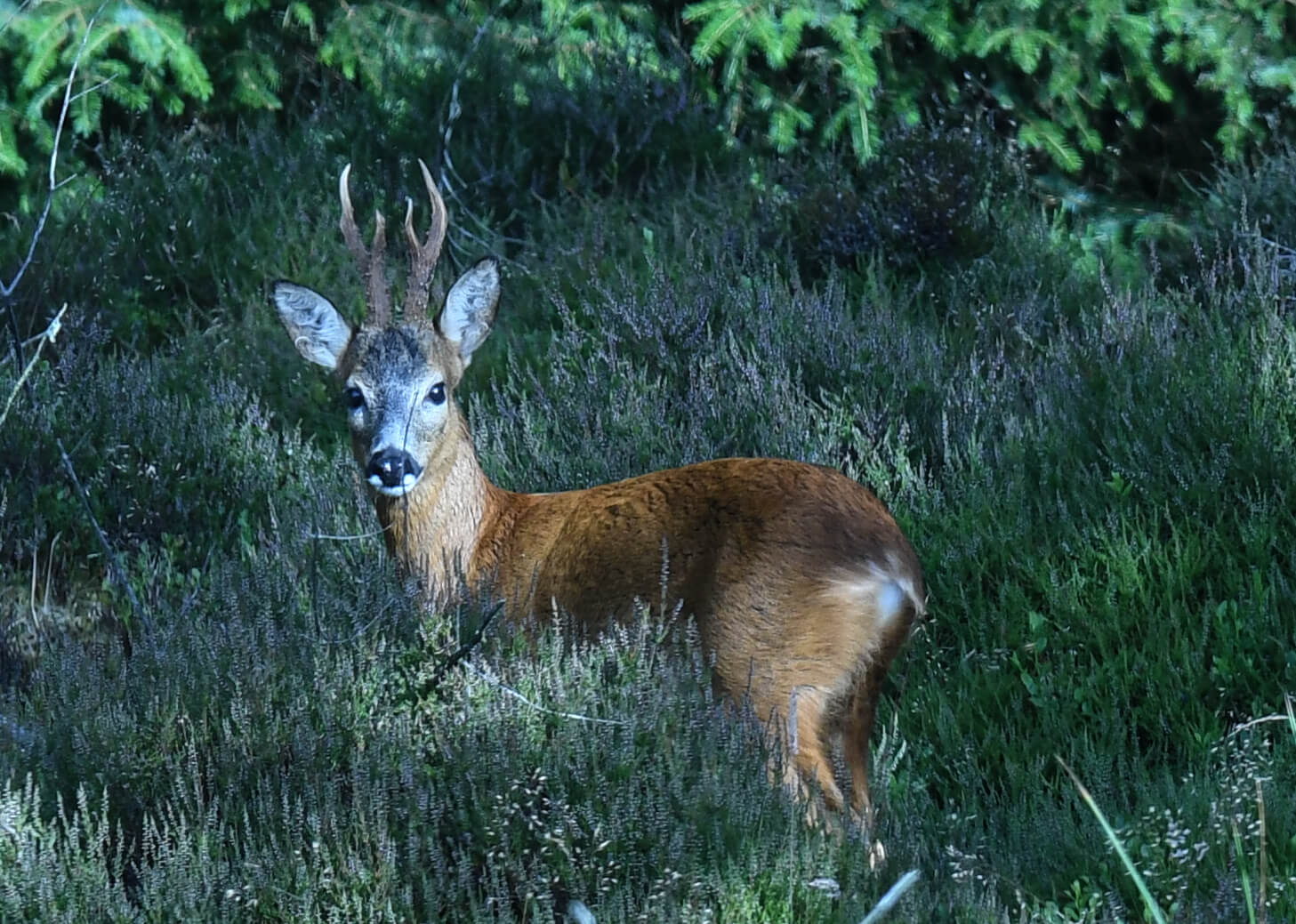
Training would have to encompass critical safety issues such as back stops. What is a safe back stop in a woodland environment? It may be very difficult to find a safe back stop at night using thermal imaging.
This could have major implications for public safety, particularly if non-lead ammunition such as copper (greater ricochet potential, see 2 below) is being used as standard.

Similarly, objects such as twigs, branches and foreground bracken represent a major hazard, potentially causing unpredictable deflections. This may lead to wounding of an animal or an animal not being followed up, as well as safety issues. We have heard from individuals who were involved in FLS testing of thermal equipment who, for this reason, advocate a survey of the area in daytime, before a thermal scope be used in the same area at night.

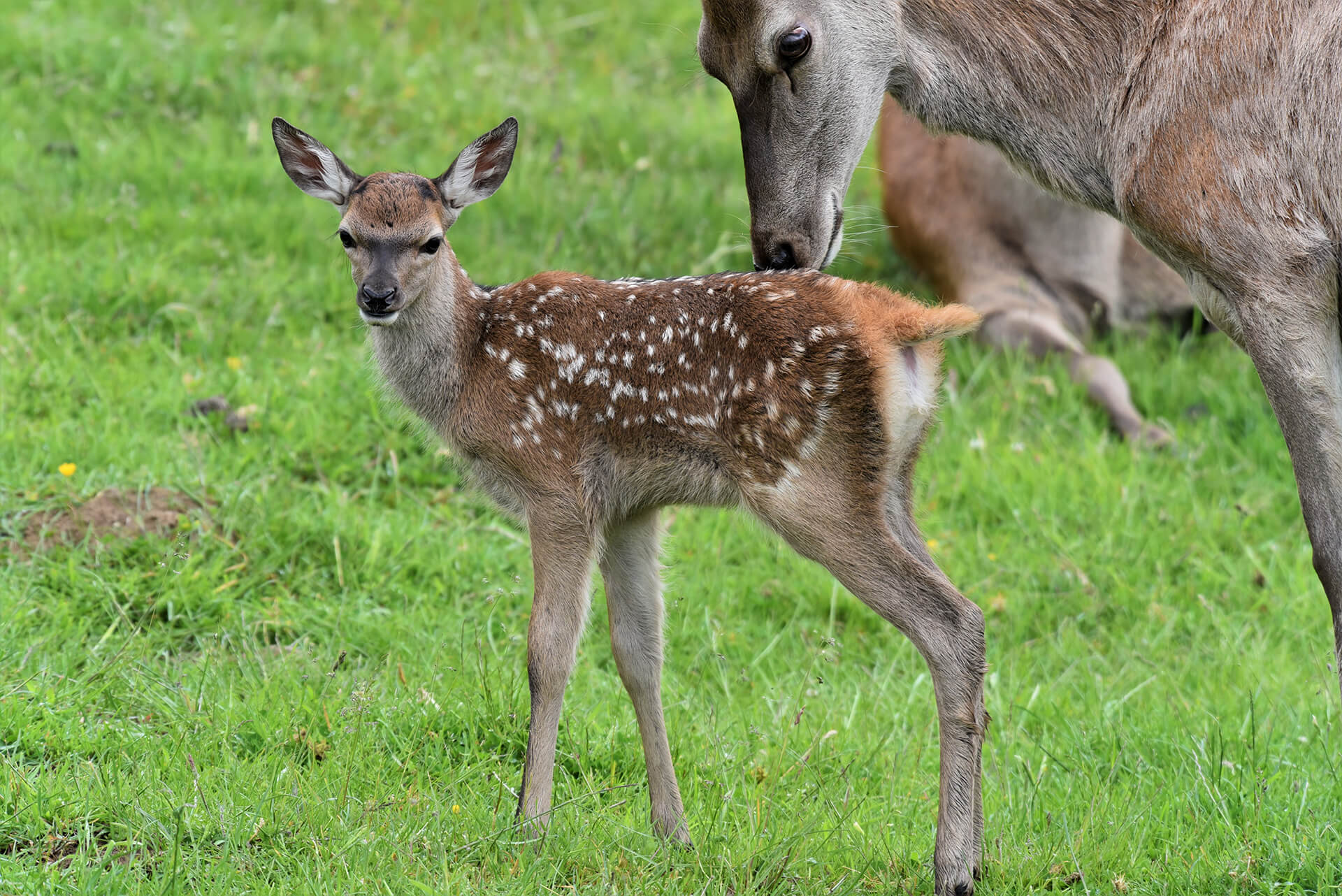
There are other animal welfare implications in that it is very difficult, in darkness, to match up females with dependent young and this may lead to calves being orphaned and greater risk of youngsters starving to death, particularly with forestry culls now happening in the first week of September. The SGA is not supportive of moves which would lead to night shooting becoming the norm in Scotland.
P5%20feature%20copy.JPG

The Impact of Different Culling Methods on Physiological and Physical Carcass Variables of RED Deer RP58b: was carried out by The Royal Dick School of Veterinary Studies. In the summary, the authors state: Culling of wild red deer with a rifle by one stalker during the day and the culling by rifle of deer in a field were the most accurate. The culling by rifle at night by one stalker was the least accurate in achieving placement of a shot likely to have quickly killed the deer. It also states: The highest percentage of deer that after the first shot, ran or walked away without collapsing, were in wild deer shot by rifle at night by one stalker.
Night shooting, therefore, is a method proven under test conditions to be the least in the interest of animal welfare, which requires quick, humane dispatch, hence the SGA being opposed to the normalisation of night shooting.

Selecting the appropriate cull animal is also compromised and this will have long term impacts on the overall quality and health of the herd.

2/ Copper bullets (bullet weight)


The SGA does not have an issue with amending the bullet weight, per se, but a significant portion of our members cite drawbacks from the use of so-called ‘non-toxic' ammunition, which we feel are important and must be considered with any change.

We also have one comment on the propensity for 80g bullets to drift in the wind and wonder if this has been factored in. Even those using 100g bullets have reported experiencing considerable drifting, particularly when shooting over gullies in a strong wind.

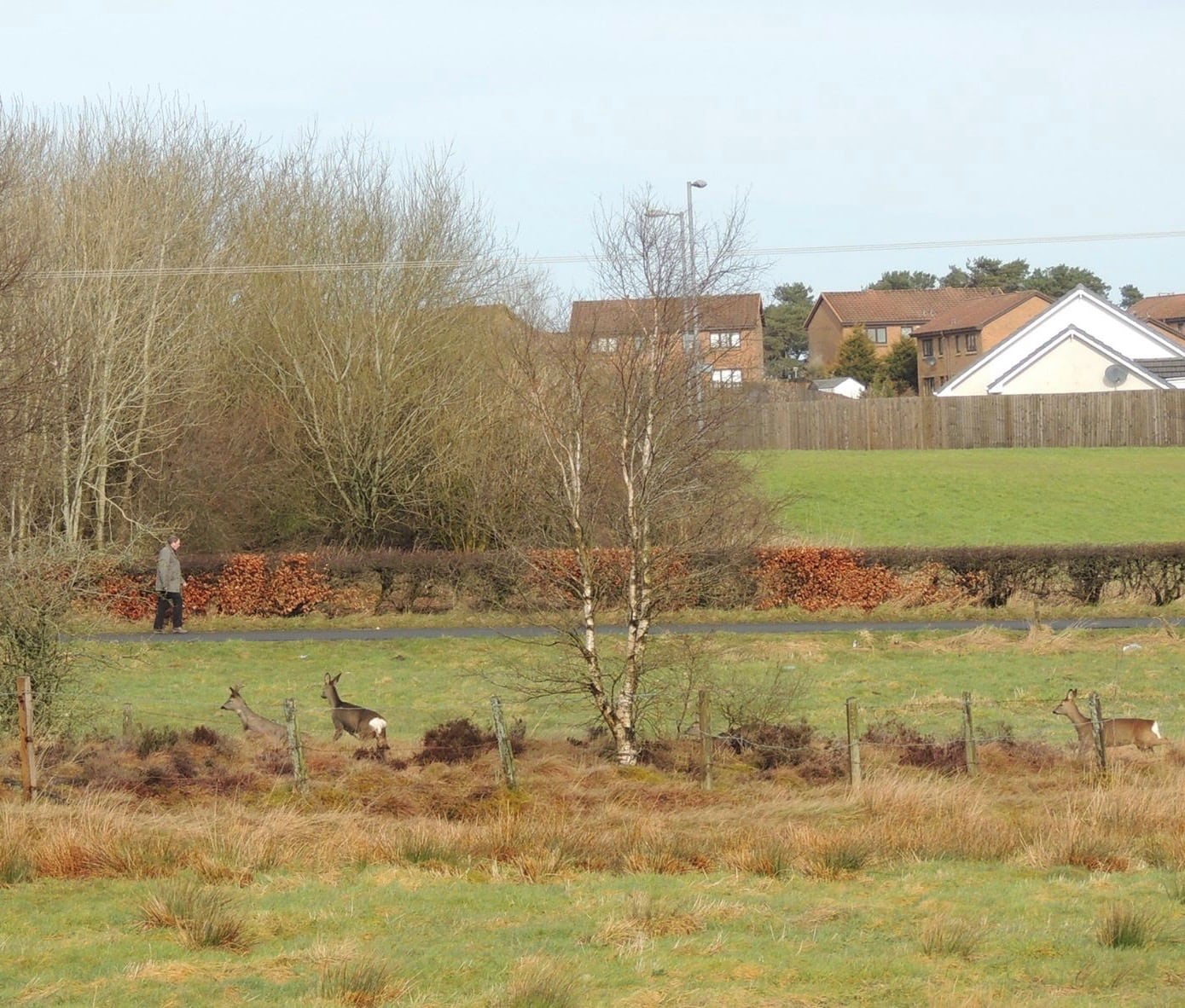
In terms of copper bullets, consensus amongst professional stalkers within the SGA Deer Group is that the chances of ricochet increases with copper, which has obvious safety implications. This carries even greater significance at night, when copper may be used in combination with thermal scopes, coupled with a reduced ability to identify a safe back stop. Some who have tested various makes of copper bullets have told us that certain makes were heard to ricochet far more than others, which is concerning. Given high access, at all times of day, in built-up areas, in particular, the danger to public safety cannot be discounted.
URBAN%20DEER.jpg

In open hill situations, stags may be culled on scree faces and a copper bullet that passes through a carcass without hitting bone, may well ricochet off a stone and travel a distance, which is then out of the deer manager’s control. The bullet may even rebound back towards them. Experienced stalkers have also heard of copper ricochet off bone, striking another animal in the herd. Use of copper in a woodland setting is very different than in an open hill setting, where deer tend to be further away and issues such as stability, drifting and reduced expansion could all be to the detriment of a quick, humane kill.

Similarly, the limited expansion and shocking power of non-toxic ammunition, compared to lead, means shot animals behave very differently which sometimes makes it more difficult to ascertain initially whether an animal has been hit. Animals shot with copper tend to require more follow-up shots, in general, which has welfare implications when the objective is to shoot deer as quickly and humanely as possible.

The SGA has significant reservations, therefore, with lead alternatives at the present time, and what it means for animal welfare and public safety.

3/ Removal of male deer seasons


The SGA opposes ending the male seasons for a number of reasons. Firstly, as a regulator, NatureScot currently has oversight on authorisations granted for culling males outside of the season.
This is helpful, provides data on their use and conditions can be attached in certain circumstances, which can be beneficial. We see no compelling reason for a regulator to dispense with that beneficial oversight.
Secondly, the SGA is unconvinced that targeting males all year round will reduce deer numbers. Conversely, we believe it may increase numbers because more effort will be put into shooting the easier Stags when it is the females that drive the population.

Without a closed season, it may increase demand for Stags, too, as people extend their shooting seasons.

While we welcome the fact that female seasons are not currently being subject to secondary legislation, there remain animal welfare issues if males are to be shot year round.

Outwith the rutting season, stags and hinds live in separate groups but the distance between these groups can be minimal. Culling a stag during the closed season is not a welfare issue to the stag, but is to the rest of the herd. In their panic to flee the area, they burn up much needed body fat reserves required to see them through the winter months until the spring. If a herd of stags are in proximity to a group of hinds, the hinds too will flee the area, burning up much needed body fat reserves. Many of these hinds will be heavy in calf and continued disturbance, culling stags where hinds are resident in late winter and early spring, may well lead to abortion. What also must be considered is the welfare implications of disturbing deer of either sex especially during the winter months when they are in poorest condition. Continual disturbance may drive them out into areas where insufficient nourishment exists, thereby increasing the risk of starvation and mortality.
Red-Deer-stags-in-winter.JPG

Consideration must be given to herd dynamics. Indiscriminate culling of roe bucks, in and out of season on FLS forests is one of the main reasons why deer damage is running so high. If you remove the master buck in an area of woodland, you remove the buck that has been evicting other males and, by doing this, you allow other younger bucks to move in- and they, as they lay claim to the vacant territory, cause serious damage by beating up young trees with their antlers.
Furthermore, great efforts are being expended in making quality venison a product we can rightly be proud of in Scotland. Out-of-season venison is not a quality product. During the rut, stags lose two and a half stones of body weight due to their rutting activities and, by late spring, are skin and bone. Why cull stags when they are in poorest condition, if we want to champion quality?
Finally, whilst the three elements of this document are handled separately in order to provide a response, it is the measures in combination which are of significant concern to the SGA.
In tandem with one another they represent a significant downgrade and deregulation of animal welfare which seems at odds with Scottish Government’s protection of other species, as demonstrated by recent legislative moves surrounding foxes, rabbits and mountain hares.
All year round hounding of male deer could never be regarded as a pro-welfare step and it should be remembered that night shooting is banned in many European countries due to the inability to cull in a selective, welfare-friendly manner. Given the additional implications for public safety, already mentioned above, the SGA wishes its views to placed on public record on these two critical issues.


Prepared by the Scottish Gamekeepers Association (SGA) Deer Group.
June 2023.
 
£10k for NV riflescope and thermal spotter combo is naive. Hard to believe the SGA does not realise nearly every person doing professional stalking has a thermal spotter already and a PARD 007 is about £300 new or half that secondhand. Add an IR illuminator on the correct scope and you are good for sensible distances.
 
Much though I agree with the bulk of the above response, the argument against thermal, even the best of, and adequate identification of backstop and potential obstruction, combined with easily deflectable lighter copper bullets, makes it a no go for me.
But can we imagine the lunatic Canuk actually tolerating the optic of being seen to listen to the SGA anyway ?
 
£10k for NV riflescope and thermal spotter combo is naive. Hard to believe the SGA does not realise nearly every person doing professional stalking has a thermal spotter already and a PARD 007 is about £300 new or half that secondhand. Add an IR illuminator on the correct scope and you are good for sensible distances.


When you add extra Bat,s free standing charger etc. Not much change from the £10,000 I was told it was the very best the tax payer could by to do the study.So no doubt thats were SGA price comes from.
 
Tax deductible no doubt, but a big outlay none the less. I'm trying to imagine how many have already been shot with equipment of a much lower spec.
 
First response I have read that recommends separate NV for rifle and spotting. It's a logical response and makes me wonder why others didn't think of it.
 
Tax deductible no doubt, but a big outlay none the less. I'm trying to imagine how many have already been shot with equipment of a much lower spec.
Tax deductible for the few free for the public agency staff. I wonder how many deer have been wounded with pour quality stuff.
 
First response I have read that recommends separate NV for rifle and spotting. It's a logical response and makes me wonder why others didn't think of it.
Unthinkable to my mind any serious person owning a firearm and culling deer would not, but hey ho.🤷
 
Tax deductible for the few free for the public agency staff. I wonder how many deer have been wounded with pour quality stuff.
Sounds like the Wild West David, shocking to think theses people have legally held firearms, but plenty getting maimed and killed with thermal level entry stuff and illegal air guns that’s for sure and fallow capable.
Not to mention the electric mountain bike, surprising how much money some have to spend on their illegal passion but cannot get a ticket for firearm and level entry thermal scope very effective at short distance.
 
Last edited:
Since we're getting evermore efficient at killing deer, what happens once we've got the numbers down? Will night shooting, out of season males, thermal etc be outlawed again?
 
Naaaa that’s the back door plan of government … let us wipe everything out then when not much left to shoot we won’t need weapons so give em up !
 
Tax deductible for the few free for the public agency staff. I wonder how many deer have been wounded with pour quality stuff.
I’d bet any deer that have been wounded number substantially lower than amateur stalkers with entry level telescopic sights and poor quality mounts attached to a rifle they haven’t practiced enough with.

The bottom line is that when shooting is involved there is always a minimal chance of wounding - the human element is present after all.

If you really think a contractor or public sector worker is going to put up with kit that’s not consistently delivering carcasses in the larder you are completely deluded or choosing to ignore their primary aim.

Deer management will always and should always involve people of varying experience and skill sets undertake the huge responsibility of killing a wild animal.

It is vital that the “industry” utilises every technological advantage in order to demonstrate that it is providing the most effective and ethical solution.

We have a deer population that needs man’s intervention to safeguard the environment and the health of the national deer herd.

Just like spotlighting, the interpretation I have of the proposed changes is for nv/thermal scope use to be solely available for use under licence so is not a free for all and within those licensing conditions there’s scope to include minimum processor capacity etc.

The deer industry needs to move forward with the times and utilise technology, regardless of what scope a person is using on their rifle they the stalker will always have the option not to pull the trigger.

Deer management decisions and actions are taken by individuals not equipment.

You don’t need to use it but that shouldn’t be a barrier for others to do so.


When you add extra Bat,s free standing charger etc. Not much change from the £10,000 I was told it was the very best the tax payer could by to do the study.So no doubt thats were SGA price comes from.
The Lexion XP38 is the "professional " version of the long departed Helion XP38 - the fact that it is still sold at the ridiculously inflated price of £3287 inc VAT tells me you are not up to speed on buying thermal equipment or you're trying to make a point that simply does not stand up to scrutiny
The Axion2 XG35 is the closest current Pulsar product to the Lexion XP38.
The Axion2 retails for £2340 including VAT. - ask nicely and if you don't get 10% off, then go to someone who will give you 10% off
Even the latest and best thermal monocular that Pulsar has ever made, the Telos XP50 can be bought for less than the Lexion XP38
As for thermal scopes, yes, the Pulsar thermion 2 XP50 pro is a top of the line bit of kit and will do the job well.
But again, nobody in their right mind pays retail price of £4340
About £3900 is what should be paid
So lets say £2100 for an Axion2 XG35 and £900 for Thermion 2 SP50 pro
That comes to £6k - and both bits of kit come with batteries and chargers
If you were told it was the best the tax payer could buy to do the study, then they lied to you about the Lexion XP38
A government body paying top dollar for out of date kit is nothing new, but I can't imagine professional and recreational stalkers being so naive

Cheers

Bruce
 
Meanie, I know u know ur NV and thermal stuff.

Is it even possible to put a worthwhile defination/ standard in place?

I don't know much about either, but with normal day scopes , any standard would be next to worthless as so many variables, magnification vs glass and coatings etc
 
another variable ...the mk1 eyeball.....!!!!

certain standard of product may be the base minimum & decided about....but theres some folk who still will maim / hurt/ etc

&

its the same with a scope and a lamp......

bottom line is lot of the problem isnt the equipment its the operator.....and always will be


Paul
 
I’d bet any deer that have been wounded number substantially lower than amateur stalkers with entry level telescopic sights and poor quality mounts attached to a rifle they haven’t practiced enough with.

The bottom line is that when shooting is involved there is always a minimal chance of wounding - the human element is present after all.

If you really think a contractor or public sector worker is going to put up with kit that’s not consistently delivering carcasses in the larder you are completely deluded or choosing to ignore their primary aim.

Deer management will always and should always involve people of varying experience and skill sets undertake the huge responsibility of killing a wild animal.

It is vital that the “industry” utilises every technological advantage in order to demonstrate that it is providing the most effective and ethical solution.

We have a deer population that needs man’s intervention to safeguard the environment and the health of the national deer herd.

Just like spotlighting, the interpretation I have of the proposed changes is for nv/thermal scope use to be solely available for use under licence so is not a free for all and within those licensing conditions there’s scope to include minimum processor capacity etc.

The deer industry needs to move forward with the times and utilise technology, regardless of what scope a person is using on their rifle they the stalker will always have the option not to pull the trigger.

Deer management decisions and actions are taken by individuals not equipment.

You don’t need to use it but that shouldn’t be a barrier for others to do so.
If you really think a contractor or public sector worker is going to put up with kit that’s not consistently delivering carcasses in the larder you are completely deluded or choosing to ignore their primary aim.

Sorry it is you that is deluded unless this new legislation applies only to contract or public SERVANTS. I have seen the mess that Contractors have left in the FLS larders i have held the lamp while numerous deer were wounded and lost. We have a population of deer that are out of control because the few that are charged with managing them are full of greed and self importance. Pro stalkers/ Guides holding vast amounts of ground they can never manage to a sustainable level. Government staff (Top Table )making decisions that will never lower the population. Changing legislation normalising criminal activity,s. Still we have more deer and the new legislation change will not help. I would also bet that they will do a five year study to see if there is a real reduction and the ones that suggest this will retire in tree lol. You say we need to utilise technology what a joke that is when we have 1000,s of fully trained deer managers willing to take up the challenge. Promised by SNH Alistair Mc Gugan The minister the FES Ian Ferguson and co that they would be included in the bigger picture.
 
David,

You’re totally contradicting yourself.

First you’re saying only let contractors and public servants use thermal then you’re saying that they are not fit for purpose.

You’re then extolling the virtues of recreational stalkers but surely they should have access to new technology to make their limited time available the most productive.

Fully agree that there are some professional guides doing too little management of males and even less management of females and that will only really change at present through landowner intervention which it has to a degree.

Last winter I took on a bit of ground for the Roe doe season only and took a good number off it and for the buck season it will be overseen by the owners.

A possible barrier to some recreational stalkers effectiveness is that they have not prioritised the end goal of producing high quality wild venison and are spending their money on multiple rifles and scopes and not putting a small larder in their back garden or garage.

In order to validate the contribution recreational stalkers can make there needs to be better infrastructure in place for the venison- why not government grants for chillers that have a rebate period- £2000 chiller - 300 traceable tags - once you have put 300 carcasses with the tags through an approved venison dealer the chiller is signed over for personal use with a caveat it cannot be sold and is returned to the scheme if the stalker withdraws from the scheme?

Recreational stalkers haven’t been shut out……but I did mention in another thread my disappointment that the LDNS had taken my money for membership and not even sent a welcoming email or agenda for the coming year.

I’ll be asking the new Chair what the LDNS is going to be doing and how can I get involved.
 
“Sorry it is you that is deluded unless this new legislation applies only to contract or public SERVANTS. I have seen the mess that Contractors have left in the FLS larders i have held the lamp while numerous deer were wounded and lost. ”

Maybe I read your post wrong?

Anyway why not look at solutions?

In terms of access to chillers what about a scheme where you can get allocated a chiller in return for the number of deer you manage?

I’ve adjusted my earlier suggestion.


In order to validate the contribution recreational stalkers can make there needs to be better infrastructure in place for the venison- why not government grants for chillers that have a rebate period- £2000 chiller - 80 traceable tags per annum- Stalker signs up to put 80 carcasses with the tags through an approved venison dealer which pays the recreational stalker for the venison, anything over and above that the recreational stalker can use for themselves or opt not to shoot anymore.

If the recreational stalker fails to submit the agreed number of tags they pay a financial penalty per tag to cover some of the outlay of the chiller cost.

The use of the personal issue chiller comes with a caveat it cannot be sold and is returned to the scheme if the stalker withdraws from the scheme?

It would provide a measurable recreational stalker contribution to the national cull.

It would enable recreational stalkers to have access to refrigeration without the capital outlay.

It would provide a starting point for improved knowledge sharing.
 
Meanie, I know u know ur NV and thermal stuff.

Is it even possible to put a worthwhile defination/ standard in place?

I don't know much about either, but with normal day scopes , any standard would be next to worthless as so many variables, magnification vs glass and coatings etc
Defining a minimum performance standard for NV or thermal gear such that it would be legal to use in deer control is not easy, but the Best Practice Guide published in connection with the badger control program in England might be a good starting point
It specifies minimum requirements for both NV and thermal and is quite specific about the minimum required specifications for dedicated thermal scopes and front add-ons
In essence, dedicated thermal scopes should have, as a minimum, either:
a. 17 micron sensor with 384x288 pixels, 38mm lens and 30Hz refresh rate
b. 12 micron sensor with 320x240 pixels, 38mm lens and 30Hz refresh rate
For a thermal front add-on, the minimum is a 12 micron 640x480 sensor with 50mm lens and 50Hz refresh rate

On reflection, I think something known as Individual Field Of View (IFOV) is a better way of specifying the minimum performance requirement for digital NV and thermal scopes since this metric involves both the sensor and the lens and is easily calculated from information found in the manufacturers specification for the scope
The IFOV is simply the size of a sensor pixel in microns divided by the focal length of the lens in mm
It is the basis for the detection ranges published by thermal scope manufacturers and it could be specified for different deer species based on their average sizes
However, simply using the manufacturers quoted detection range would not be a good way of specifying thermal scope performance because detection range also depends on the size of the target and the probability of detection, and different manufacturers use different target sizes and probabilities of detection to get the figures they quote for their products
The IFOV is actually an angle, but can more easily be thought of as the size of a square box that an individual sensor pixel "sees" at some specified distance
Using the values above:
1. a 17 micron sensor and 38mm lens has an IFOV of 17/38 = 44.7mrad i.e a single sensor pixel "sees" a square box with sides 44.7mm long at a distance of 100m
2. a 12 micron sensor and 38mm lens has an IFOV of 12/38=31.5mrad i.e a single sensor pixel "sees" a square box with sides 31.5mm long at a distance of 100m
3. for a front add-on thermal with a 12 micron sensor and 50mm lens the IFOV is 12/50 =0.24mrad i.e a single sensor pixel "sees" a square box with sides 24mm long at 100m

The amount of detail that can be seen of a given target with a thermal or digital NV scope depends directly on the number of sensor pixels that "see" the target. The more pixels that "see" the target, the more detailed the image of the target will be when viewed through the scope.
This means that smaller IFOV values produce more detailed images than higher IFOV values and since the level of image detail plays a very large part in quarry recognition, it seems logical to use IFOV as the metric used to set the minimum performance requirements for digital NV or thermal scopes.
Refresh rate can still be specified, but AFAIK, there are no thermal scopes on sale in the UK today with refresh rates less than 30Hz
What the actual maximum IFOV should be a for a given size of deer is a matter for discussion
It should also be noted that IFOVs for digital NV scopes are typically much smaller than for thermal scopes (because NV sensors have much smaller pixels) so different maximum IFOVs would be needed for digital NV and for thermal scopes.
For the dinosaurs still using tubed NV, a minimum line pairs per mm (lp/mm) figure could be specified
For both tubed and digital NV users, I don't think putting minimum performance specs in place for IR illuminators would be feasible

Cheers

Bruce
 
Back
Top