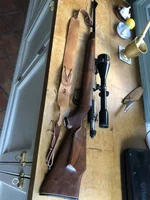
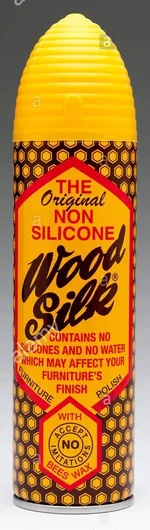
care of Stock on a wooden rifle

Cheers John. Good article.

I think we can all agree on linseed oil not being the most practical finish. Poly or varnish would offer better performance. But they don't have quite the same aesthetic/tactile appeal. :) Hell, if performance is all I was after, I'd have sprung for a synthetic stock.

For large 'home' projects (which the article was tailored towards) - time and efficiency are factors. You cannot hand rub thin coats of linseed oil (raw or otherwise) over an entire fence or deck, and then keep the wood thermo regulated. It's not practical. A gun stock is a different animal altogether.

According to the article, the biggest difference in performance between boiled and raw linseed is the drying time. However, both are susceptible to mildew and UV degradation.
 
@Olaf could you please post some pictures of your own stocks? What's your response to @johngryphon Is raw linseed just going to cause problems?
I will post some pictures of my rifles shortly. The whole point in using raw linseed oil that is thinned with Turpentine is that it penetrates deeper into the wood and protects it against moisture ingress and hardens the wood off. This is why it is used on cricket bats and tool handles. In the case of gun stocks and things like , for example, my solid oak kitchen worktops, it leaves a lovely satin finish that is extremely hard wearing, durable, and practical.
Raw linseed oil thinned with turpentine is a very old and well proven time tested finish. Its not used much in the furniture industry anymore as it’s time consuming and so other oil finishes have been developed that have accelerants and hardening agents in them. Danish oil would be good example, it gives you a glossy and hard Surface finish in about 3 coats, looks crap and marks easily, as it’s a thin skin of a surface finish.
Linseed oil Is a sort of living finish which becomes part of the wood itself, it can be easily cleaned with a turps meths and linseed oil mix ( if it’s really really grubby and dirty) and fresh oil rubbed on with bring it back to new , as it feeds the wood.
If you’re after a high glossy shine then linseed oil is not going to do that on its own. If you’re after a genuine highly durable finish that you can wipe clean and won’t make a big deal of nocks and scratch marks then that’s what linseed oil is all about. My rifles get wet in pouring rain , get mud and blood on them ; as they get used as tools . My most frequently used rifle is a .30-06 Schultz & larsen and I use it on average 4 to 5 times a week during the winter for fallow deer stalking and it’s still as good as new, in fact , I’d say it looks better than a new rifle.
I’ve also got a Mauser 66 in .308 and that’s got the same finish, that rifles about 40 to 50 years old and , no, it’s not got black mould on it !
Kindest regards, Olaf
 
There is enough about it to be gleaned from those that have had problems previously instead of keeping ones head under the sand.

Since linseed oil is organic, many varieties of mould fungi thrive on it.
 
There is enough about it to be gleaned from those that have had problems previously instead of keeping ones head under the sand.

Since linseed oil is organic, many varieties of mould fungi thrive on it.
And turpentine thinners are very good at killing fungi, just as mentholated spirit also is.
Kindest regards, Olaf
 
Olaf I dont come here to argue points at all and I will add only that my post was about RAW linseed oil being a food source for moulds/bacteria's.
I have used terabine as a dryer in BLO preciously for rubbing down Kauri Pine Furniture for a great finish.
 
Olaf I dont come here to argue points at all and I will add only that my post was about RAW linseed oil being a food source for moulds/bacteria's.
I have used terabine as a dryer in BLO preciously for rubbing down Kauri Pine Furniture for a great finish.
Fear not, I don’t think that you are trying to argue a point, you just seem to have missed the fact that the mix of linseed oil and turpentine makes for a very good and durable Finish, a finish that doesn’t go mouldy either.
Im sure that if someone is storing their rifles , or anything else for that matter, in a house that is very damp and with poor ventilation, then they could well cultivate some interesting strains of fungus!
When my rifle has got really wet ( soaking wet) I just take the stock off and wipe all of the Metal parts down and run a cleaning Patch with some barrel cleaner through it then dry patch it, wipe the stock off and take the sling off and leave that on a radiator or by the fire, then lock the rifle away in the gun safe. I’ve never seen any mould on it or any of my other guns once.
Kindest regards, Olaf
 
you just seem to have missed the fact that the mix of linseed oil and turpentine makes for a very good and durable Finish,
Olaf I missed nothing I was on about RAW yes RAW Linseed oil.
And as far as being a deer hunter I do NOT want my rifle to stink of friggn turpentine.
 
I'm using the raw linseed + turps mix at the moment, and there's virtually no smell. The mixture itself is rather poignant, but there's very little odour imparted onto the wood itself.

I think the key is in the application. Lots of thin coats rubbed in very hard; and not allowing any oil to build up and dry on the surface of the wood.
 
Olaf I missed nothing I was on about RAW yes RAW Linseed oil.
And as far as being a deer hunter I do NOT want my rifle to stink of friggn turpentine.
And i wasn’t, i was talking about raw linseed oil mixed with turpentine, it’s rather a different thing altogether. It’s a very good finish and is tried and tested, perhaps you should try it.
Im also a hunter and also am a Professionally trained furniture and cabinetmaker with over 30 years of experience. My rifles don’t smell of turpentine and I shoot approximately 50 deer, mostly fallow deer , per year as well as lots of foxes and rabbits and also wild boar and none of them have ever complained about my rifles being smelly.
Kindest regards, Olaf :tiphat:
 
I'm using the raw linseed + turps mix at the moment, and there's virtually no smell. The mixture itself is rather poignant, but there's very little odour imparted onto the wood itself.

I think the key is in the application. Lots of thin coats rubbed in very hard; and not allowing any oil to build up and dry on the surface of the wood.
Correct.
 
I will post some pictures of my rifles shortly. The whole point in using raw linseed oil that is thinned with Turpentine is that it penetrates deeper into the wood and protects it against moisture ingress and hardens the wood off. This is why it is used on cricket bats and tool handles. In the case of gun stocks and things like , for example, my solid oak kitchen worktops, it leaves a lovely satin finish that is extremely hard wearing, durable, and practical.
Raw linseed oil thinned with turpentine is a very old and well proven time tested finish. Its not used much in the furniture industry anymore as it’s time consuming and so other oil finishes have been developed that have accelerants and hardening agents in them. Danish oil would be good example, it gives you a glossy and hard Surface finish in about 3 coats, looks crap and marks easily, as it’s a thin skin of a surface finish.
Linseed oil Is a sort of living finish which becomes part of the wood itself, it can be easily cleaned with a turps meths and linseed oil mix ( if it’s really really grubby and dirty) and fresh oil rubbed on with bring it back to new , as it feeds the wood.
If you’re after a high glossy shine then linseed oil is not going to do that on its own. If you’re after a genuine highly durable finish that you can wipe clean and won’t make a big deal of nocks and scratch marks then that’s what linseed oil is all about. My rifles get wet in pouring rain , get mud and blood on them ; as they get used as tools . My most frequently used rifle is a .30-06 Schultz & larsen and I use it on average 4 to 5 times a week during the winter for fallow deer stalking and it’s still as good as new, in fact , I’d say it looks better than a new rifle.
I’ve also got a Mauser 66 in .308 and that’s got the same finish, that rifles about 40 to 50 years old and , no, it’s not got black mould on it !
Kindest regards, Olaf
I agree with some of what you say but! You can get a brilliant gloss finish with boiled linseed, I don't know about raw. I have always used Boiled linseed25% to 75% alcohol mix for the first coat, second is 30% B linseed, next 50% then 50% linseed, 10% tung, 40 alcohol, final mix 80% linseed, 20% tung. I then let the surface dry and rub it with fine talc. Once Im certain that its dry it get pure boiled linseed every day, rubbed by hand until warm, left for an hour the rubbed again till warm, finally wiped with clean lint free cloth. It gets this treatment for a week. Then it get a drop of oil rubbed into it once a week again rubbed till warm, excess wiped off. $ weeks and it shines like best varnish. I then temper the surface back with wax to make it satin, but the gloss stops water in its tracks.
 
I agree with some of what you say but! You can get a brilliant gloss finish with boiled linseed, I don't know about raw. I have always used Boiled linseed25% to 75% alcohol mix for the first coat, second is 30% B linseed, next 50% then 50% linseed, 10% tung, 40 alcohol, final mix 80% linseed, 20% tung. I then let the surface dry and rub it with fine talc. Once Im certain that its dry it get pure boiled linseed every day, rubbed by hand until warm, left for an hour the rubbed again till warm, finally wiped with clean lint free cloth. It gets this treatment for a week. Then it get a drop of oil rubbed into it once a week again rubbed till warm, excess wiped off. $ weeks and it shines like best varnish. I then temper the surface back with wax to make it satin, but the gloss stops water in its tracks.
Yes, that’s similar to a process that I sometimes used on some furniture but mine was a mixture with beeswax and raw linseed oil.
You can, using the raw linseed oil and turpentine mix, achieve a very high shine and if you buff it with a tiny bit of wax it is quite impressive.
On my rifles though, obviously i don’t want a shiny finish and water just beads up and runs off in the rain with the unwaxed raw linseed oil and turpentine process . Im not too keen on the feel of waxed wood either, but that’s just me being a bit extreme about the feel of wood as I feel it every single day. Another thing that turned me off wax top coats on wood Was that it prevents you from feeding the wood with a bit of oil here and there and wax also holds dirt.
I like your process though and if it works well for you then happy days .
Kindest regards, Olaf
 
Here’s some pictures of my Mauser 66 in .308 and my Schultz & Larsen in .30-06 the .30-06 is a bit dirty as it’s got dried blood and mud and stuff on it. I have deliberately not cleaned it so that you can see the difference between it and the Mauser 66 which got a quick wipe down with a damp cloth and a dry cloth before i took the pictures.
Kindest regards, Olaf 9C586146-847E-499B-8DC0-569FAD706885.webp
BB98E4BF-4FB7-4DB9-8236-51A9E4F2314E.webp4914E662-7B66-434A-A9E1-AFCC45401B35.webp4C43DB96-2E57-4FB7-B8EA-1275F35C46D2.webp
 
On the Schultz, the woods a very dark colour. I'm assuming it's because of the water/mud?
Ah, i see what you mean. it’s naturally very dark. The stock is made out of laminated solid black walnut and I darkened it further prior to giving it its first coat of oil when I first got it. I darkened it so that any deep bleed through of glue that may of happened during the pressing and gluing of the laminations would not show in the final finish. I’m quite happy with how it came out.
If I wipe it down with a turps meths and linseed oil cleaning solution that I have mixed up then it lifts all of the dirt etc straight out within a minute or so. I rarely need to do this though ( maybe one a year if I can be bothered) normally I just give the stock a good wipe down with a wet cloth and then buff it dry.
Kindest regards, Olaf
 
I've said it before and I'll say it again, English Walnut Oil prep for bringing life back or after a good soaking, very little hand rubbed all over, repeat every few days or once a week if trying to re-hydrate a stock.

We're not talking about re-finishing, just re-hydrating and giving a good oiled top layer and brining life back into the upper surface of the stock as well as protecting it from the elements.

For daily maintenance I use a quick rub over with a Ballistol wetted rag, perfect on moving parts, steel, leather/slings and stocks as well as buttpads.
 
Back
Top